
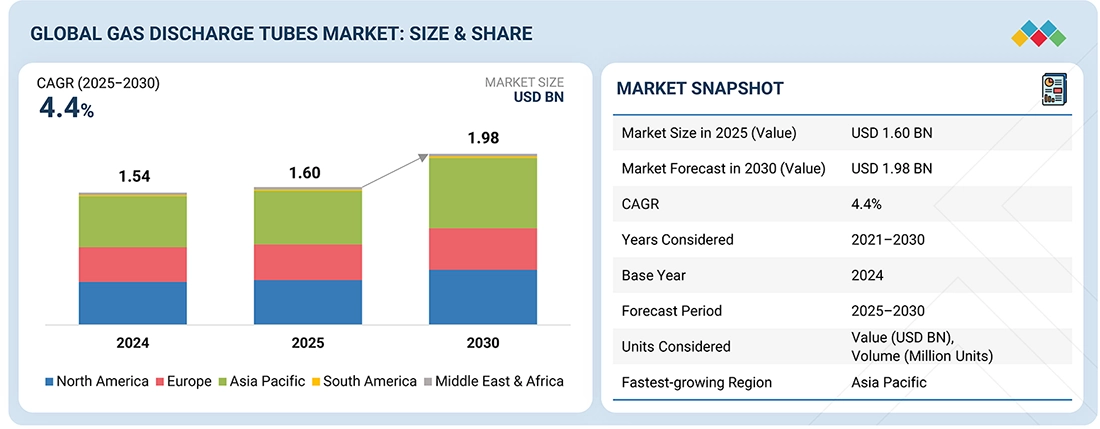
The Gas Discharge Tubes Market is witnessing notable growth as environmental monitoring applications become increasingly important across industries, governments, research institutions, and public infrastructure projects. Environmental monitoring systems are widely used to track air quality, water quality, weather conditions, emissions levels, radiation exposure, and various ecological parameters. These systems rely on sophisticated sensors, communication networks, data acquisition platforms, and remote monitoring equipment that must operate continuously and accurately, often in challenging outdoor environments. Because environmental monitoring installations are frequently exposed to lightning strikes, power fluctuations, and electrical surges, effective surge protection is essential for maintaining system reliability. Gas discharge tubes have become a critical component in protecting environmental monitoring infrastructure, driving increased adoption and supporting market expansion.
One of the most significant trends influencing the market is the growing deployment of air quality monitoring networks. Governments and environmental agencies worldwide are investing in advanced monitoring systems to assess pollution levels, measure particulate matter concentrations, and monitor greenhouse gas emissions. These monitoring stations typically contain highly sensitive sensors, communication modules, and data processing equipment that require protection from transient voltage events. Gas discharge tubes help safeguard these systems by diverting surge currents away from critical electronic components, ensuring continuous operation and accurate environmental data collection.
The expansion of smart city initiatives is creating additional opportunities for gas discharge tube adoption in environmental monitoring applications. Smart cities increasingly rely on connected sensor networks to monitor air quality, noise pollution, traffic emissions, weather conditions, and urban environmental health indicators. These sensors are often installed across large geographic areas and connected through extensive communication networks. Electrical surges caused by lightning activity or power disturbances can disrupt data transmission and damage sensitive equipment. Gas discharge tubes provide reliable surge protection, helping maintain the integrity and performance of smart city monitoring systems.
Download PDF Brochure @ https://www.marketsandmarkets.com/pdfdownloadNew.asp?id=120991765
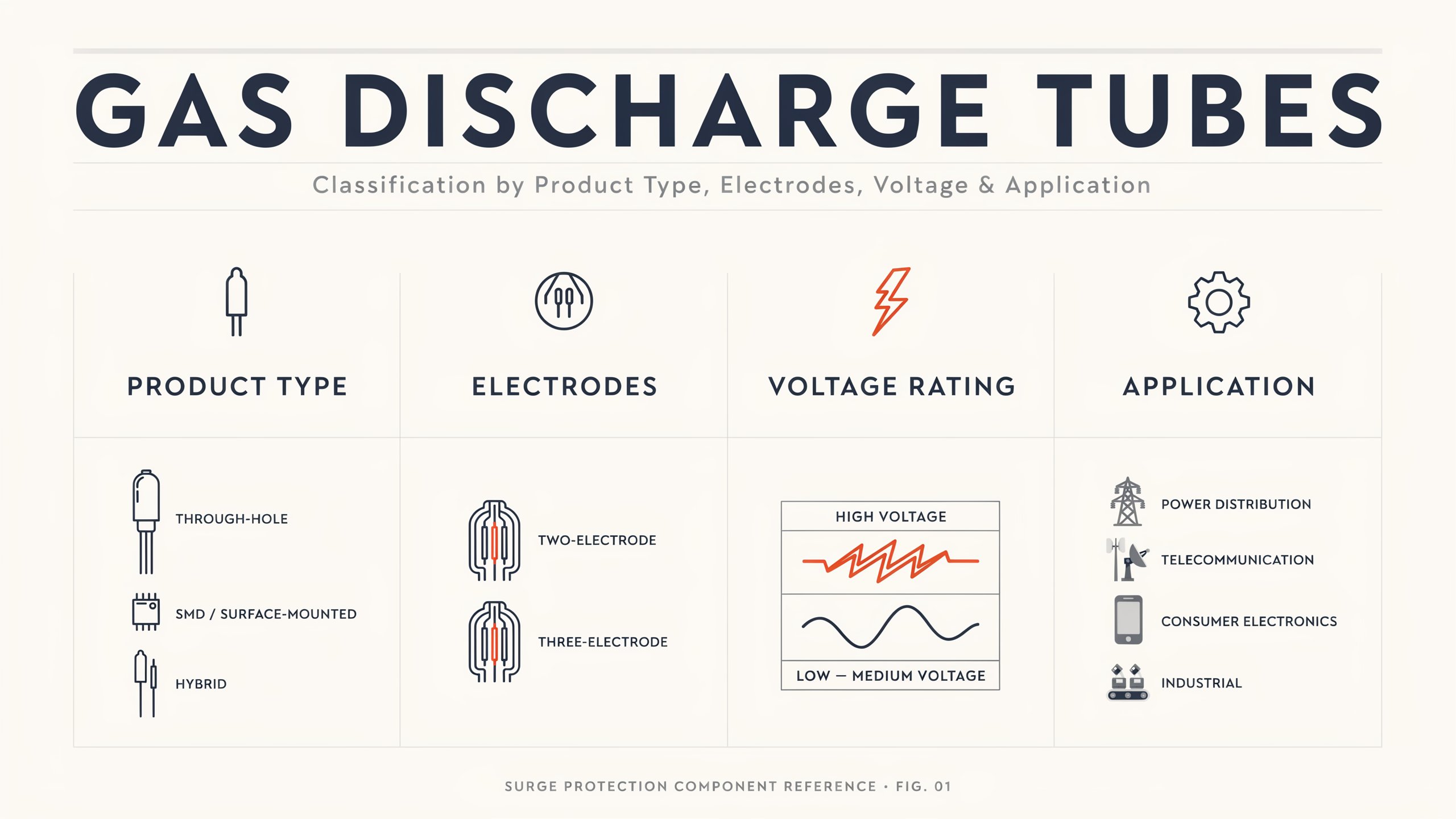
Climate monitoring programs are also contributing significantly to market growth. As concerns about climate change intensify, governments and scientific organizations are expanding investments in weather stations, climate observation networks, and environmental research facilities. These installations often operate in remote and exposed locations where the risk of electrical disturbances is elevated. Gas discharge tubes protect weather sensors, communication systems, and data acquisition equipment from surge-related damage, ensuring uninterrupted collection of critical climate data. Their durability and high surge-current handling capabilities make them particularly suitable for demanding environmental conditions.
Water quality monitoring applications represent another important area of market expansion. Monitoring systems are increasingly deployed in rivers, lakes, reservoirs, wastewater treatment facilities, and coastal regions to assess water quality and detect contamination. These systems rely on electronic sensors and communication networks that are frequently exposed to harsh environmental conditions. Gas discharge tubes help protect monitoring equipment from electrical surges, improving reliability and reducing maintenance requirements. As water resource management becomes a global priority, the demand for robust surge protection solutions is expected to increase.
The growing adoption of remote environmental monitoring technologies is further driving market demand. Many environmental monitoring systems are installed in isolated locations where manual maintenance can be costly and difficult. These systems often utilize wireless communication networks, satellite connectivity, and Internet of Things technologies to transmit data to centralized monitoring centers. Electrical surges can compromise communication equipment and interrupt data transmission. Gas discharge tubes provide a dependable solution for protecting remote monitoring infrastructure, supporting continuous connectivity and reliable environmental data collection.
Inquiry Before Buying @ https://www.marketsandmarkets.com/Enquiry_Before_BuyingNew.asp?id=120991765
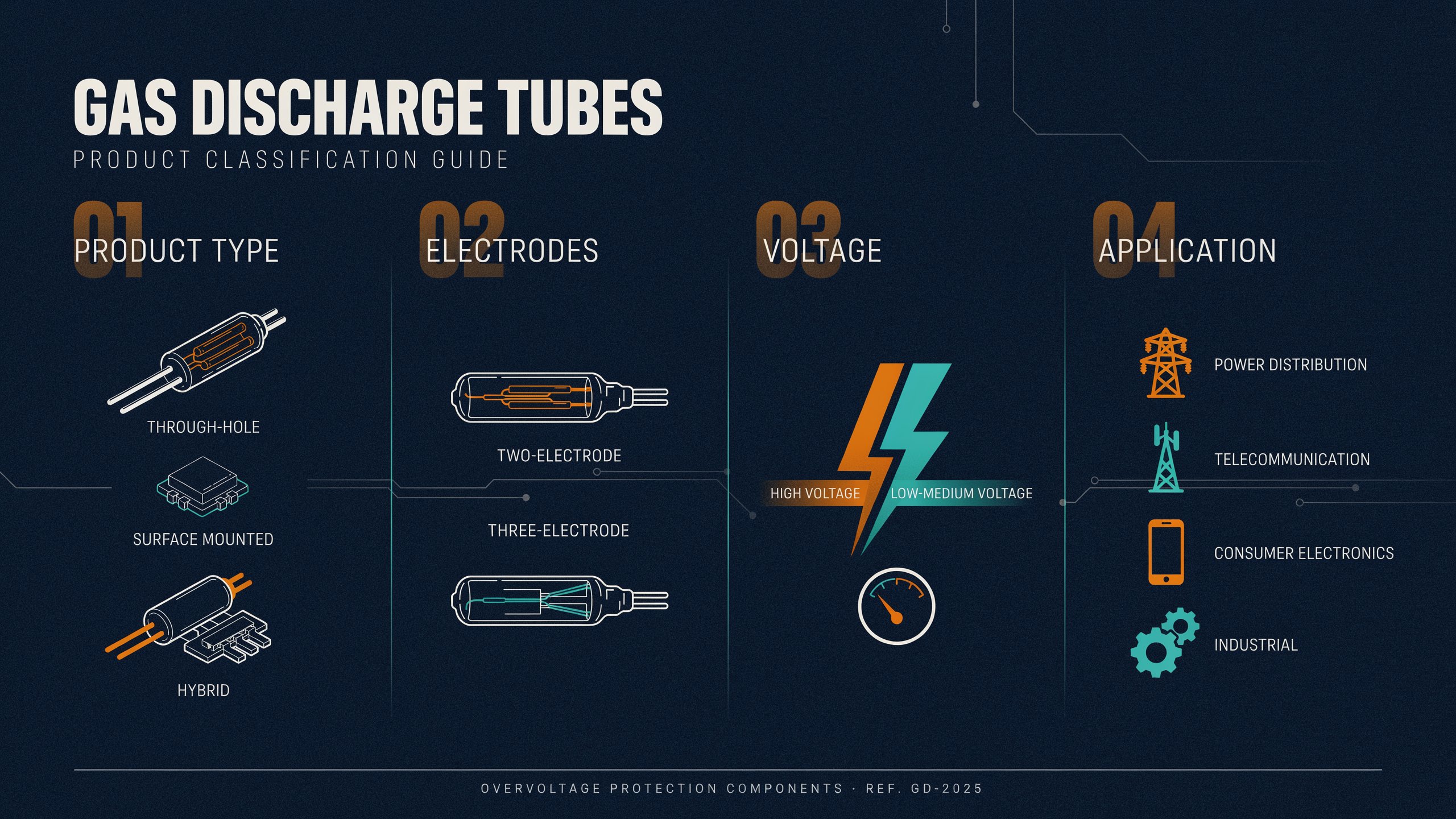
Industrial emissions monitoring is another major application supporting the growth of the gas discharge tubes market. Regulatory agencies increasingly require industrial facilities to monitor emissions and environmental performance in real time. Monitoring systems installed at manufacturing plants, power generation facilities, and chemical processing sites utilize advanced sensors and communication technologies to track emissions levels and ensure compliance with environmental regulations. Gas discharge tubes help protect these systems from electrical disturbances, ensuring accurate measurements and uninterrupted reporting capabilities.
The rise of renewable energy projects is also creating opportunities within environmental monitoring applications. Solar farms, wind energy installations, and battery storage facilities often include environmental monitoring systems that track weather conditions, site performance, and environmental impact metrics. These monitoring networks are exposed to outdoor conditions that increase the likelihood of lightning strikes and surge events. Gas discharge tubes provide effective protection for monitoring equipment, supporting reliable operation and helping renewable energy operators optimize performance and compliance efforts.
Agricultural monitoring systems are becoming increasingly sophisticated and represent another emerging market segment. Precision agriculture technologies use environmental sensors to monitor soil conditions, temperature, humidity, rainfall, and crop health. These systems rely on continuous data collection and communication to support efficient farming practices. Gas discharge tubes help protect agricultural monitoring infrastructure from electrical disturbances, ensuring reliable operation and minimizing equipment downtime. As smart agriculture continues to expand, the demand for surge protection technologies is expected to grow accordingly.
The integration of Internet of Things devices into environmental monitoring networks is accelerating the need for advanced surge protection. IoT-enabled monitoring systems generate large volumes of real-time environmental data and often operate through interconnected sensor networks. These devices are vulnerable to transient voltage events that can affect both performance and data accuracy. Gas discharge tubes provide critical protection for IoT communication interfaces and sensor systems, supporting the long-term reliability of connected environmental monitoring infrastructure.
View detailed Table of Content here – https://www.marketsandmarkets.com/Market-Reports/gas-discharge-tubes-market-120991765.html
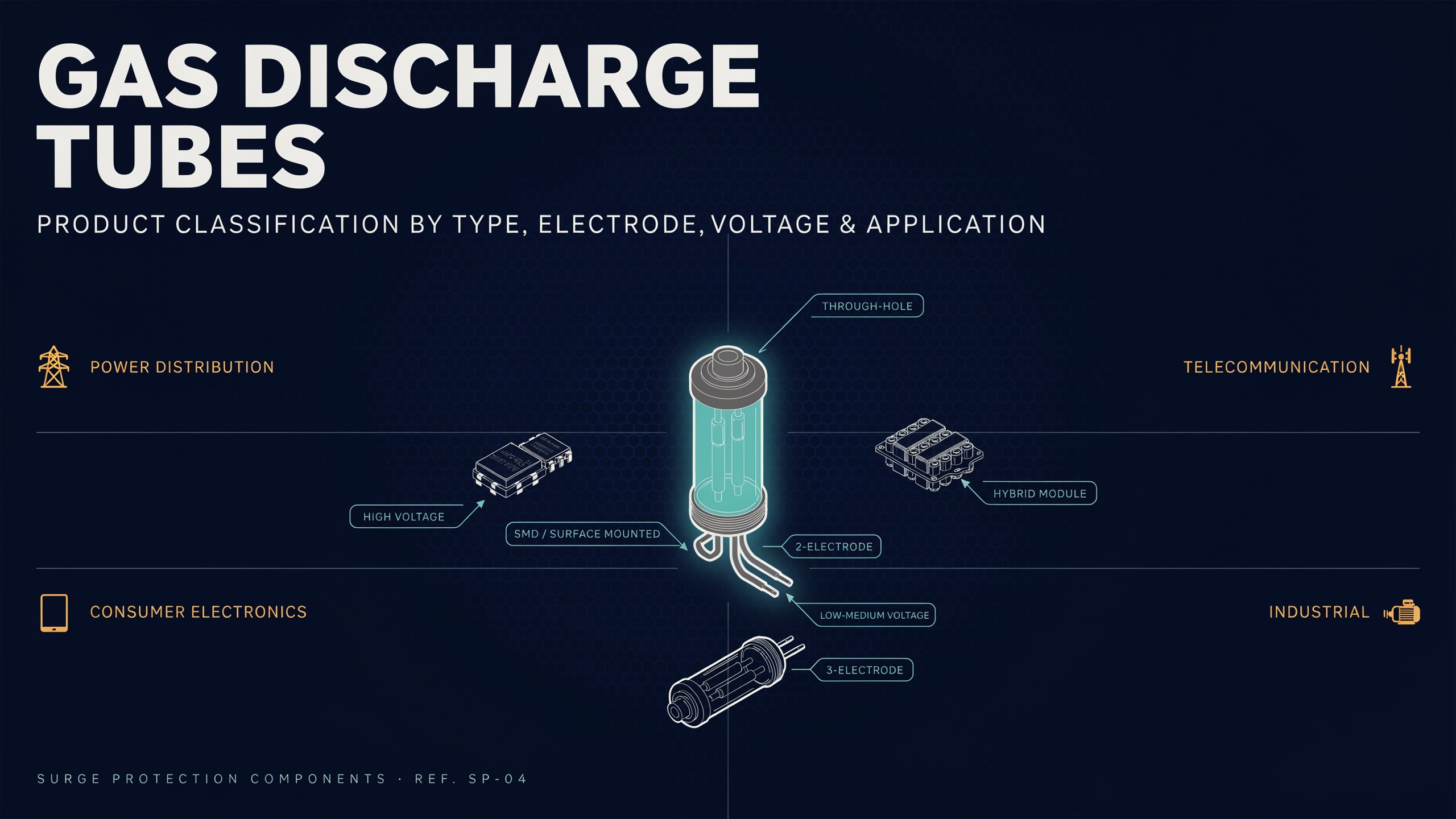
Technological advancements in gas discharge tube design are further strengthening their role in environmental monitoring applications. Manufacturers are developing compact, durable, and high-performance devices capable of withstanding repeated surge events while operating in harsh outdoor conditions. Improved reliability and enhanced surge-handling capabilities make modern gas discharge tubes increasingly attractive for environmental monitoring deployments where uninterrupted operation is essential.
The growing focus on environmental sustainability and regulatory compliance is also contributing to market expansion. Governments and organizations are investing heavily in monitoring technologies to support environmental protection initiatives, emissions reduction programs, and climate resilience strategies. Reliable surge protection is essential for ensuring the effectiveness of these monitoring systems, making gas discharge tubes a vital component of modern environmental infrastructure.
Looking ahead, environmental monitoring applications will remain a key driver of growth for the gas discharge tubes market. The continued expansion of air quality monitoring networks, climate observation systems, water quality monitoring platforms, smart city initiatives, industrial emissions tracking, and IoT-based environmental sensing technologies will create sustained demand for reliable surge protection solutions. Gas discharge tubes will continue to play a crucial role in protecting sensitive monitoring equipment, ensuring data integrity, and supporting the development of resilient environmental monitoring systems worldwide.