
In an era where connectivity and intelligence define everyday experiences, Signify Holding stands tall as the undisputed leader of the smart lighting market. Formerly known as Philips Lighting, Signify has transformed from a traditional lighting manufacturer into a pioneer of connected LED systems, software, and services that power smarter homes, buildings, and cities. With a rich heritage spanning over 130 years, the company continues to set industry benchmarks through relentless innovation, strategic acquisitions, and a customer-centric approach that blends cutting-edge technology with sustainability.
The global smart lighting market is experiencing explosive growth, projected to expand significantly in the coming years, driven by demands for energy efficiency, IoT integration, and personalized lighting experiences. Signify Holding not only leads this transformation but defines it, commanding substantial market share through iconic brands like Philips Hue for consumers and Interact for professionals. Its comprehensive portfolio addresses residential, commercial, industrial, and public infrastructure needs, making it the go-to choice for forward-thinking organizations and homeowners alike.
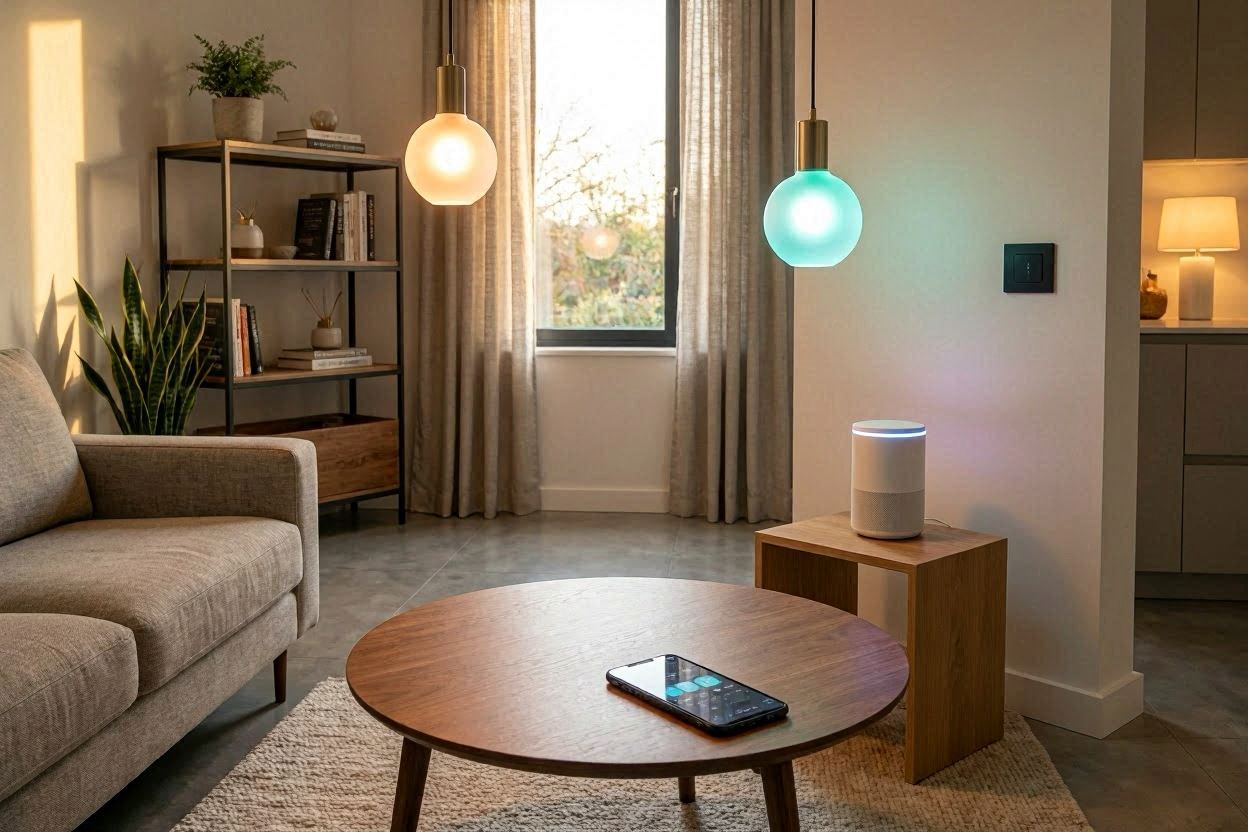
The global smart lighting market is anticipated to grow from USD 9.86 billion in 2025 to USD 17.38 billion by 2030, expanding at a compound annual growth rate (CAGR) of 12.0% during the forecast period.
Download PDF Brochure @ https://www.marketsandmarkets.com/pdfdownloadNew.asp?id=985
This in-depth article explores Signify Holding’s journey, technological prowess, competitive advantages, real-world impact, and vision for the future, highlighting why it remains the benchmark in the smart lighting industry.
The Evolutionary Journey: From Philips Lighting to Signify Holding
Signify Holding’s story is one of evolution and bold reinvention. Tracing its roots to 1891 when the Philips family opened a lamp factory in Eindhoven, Netherlands, the company has been at the forefront of lighting innovations for more than a century. Philips Lighting spun off as an independent entity in 2016 via an IPO on Euronext Amsterdam and rebranded to Signify in 2018, signaling a shift toward connected, intelligent lighting solutions.
This transition was not merely cosmetic. It represented a strategic pivot from conventional lighting to Internet of Things (IoT)-enabled ecosystems. Under the Signify banner, the company accelerated investments in LED technology, wireless controls, and data-driven services. Today, Signify operates with approximately 27,000 employees across over 70 markets, generating billions in annual revenue while maintaining a strong focus on sustainability and innovation.
Key milestones include the launch and growth of Philips Hue, which revolutionized consumer smart lighting, and the development of professional platforms like Interact. Strategic acquisitions, such as WiZ Connected in 2019 for Wi-Fi-based smart lighting and Telensa for smart city solutions, have further solidified its leadership by expanding capabilities in affordable, scalable connected systems.
These moves have enabled Signify to capture leadership across segments, from residential ambiance lighting to large-scale urban infrastructure projects. Its consistent recognition in sustainability indices, such as the Dow Jones Sustainability World Index, underscores a commitment to long-term value creation beyond mere financial performance.
Core Technologies and Innovative Product Ecosystem Driving Leadership
Signify Holding’s supremacy in the smart lighting market stems from its robust ecosystem of products and platforms that seamlessly integrate hardware, software, and services. At the heart of its consumer offerings is Philips Hue, a flagship line of smart bulbs, strips, fixtures, and accessories that allow users to control lighting via apps, voice commands, and automation routines. Philips Hue supports millions of users worldwide, offering millions of color options, scheduling, and integration with major smart home ecosystems like Amazon Alexa, Google Assistant, and Apple HomeKit.
For professional and commercial applications, the Interact platform provides IoT-enabled lighting management systems. These solutions deliver energy savings, predictive maintenance, occupancy analytics, and enhanced user experiences in offices, retail spaces, warehouses, and stadiums. Brands like Color Kinetics specialize in dynamic architectural lighting, while Philips Dynalite excels in advanced control systems for sophisticated environments.
Signify also leads in Power over Ethernet (PoE) lighting, which combines power and data over a single cable, simplifying installation and enhancing flexibility in modern buildings. Recent advancements include generative AI features in the Hue app, allowing users to create custom lighting scenes through natural language prompts, further personalizing the experience.
- Energy Efficiency and Sustainability: Signify’s LED solutions significantly reduce energy consumption compared to traditional lighting, supporting global sustainability goals.
- Scalability: From single-room setups to city-wide deployments, its systems adapt effortlessly.
- Data Insights: Connected lighting generates valuable data for optimizing operations and enhancing well-being through human-centric lighting.
These technologies position Signify not just as a lighting provider but as a partner in digital transformation.
Market Position and Competitive Advantages of Signify Holding
Signify Holding consistently ranks as the top player in smart lighting industry analyses. It maintains leadership through a combination of heritage, innovation, global reach, and brand strength. Its Consumer and Professional segments, powered by Philips Hue and Interact, accounted for a dominant portion of sales in recent years.
Competitors like Acuity Brands, OSRAM, Legrand, and others offer strong solutions, but Signify’s integrated ecosystem, extensive patent portfolio, and scale provide clear differentiation. While some rivals focus on niche areas, Signify delivers end-to-end solutions across the value chain—from components and luminaires to software platforms and services.
Its global distribution network, strong R&D investments, and ability to execute large-scale projects (such as illuminating iconic stadiums) create high barriers to entry. Signify’s focus on circular economy principles, including recyclable designs and lighting-as-a-service models, further enhances its appeal to environmentally conscious clients.
Real-World Applications and Impact Across Industries
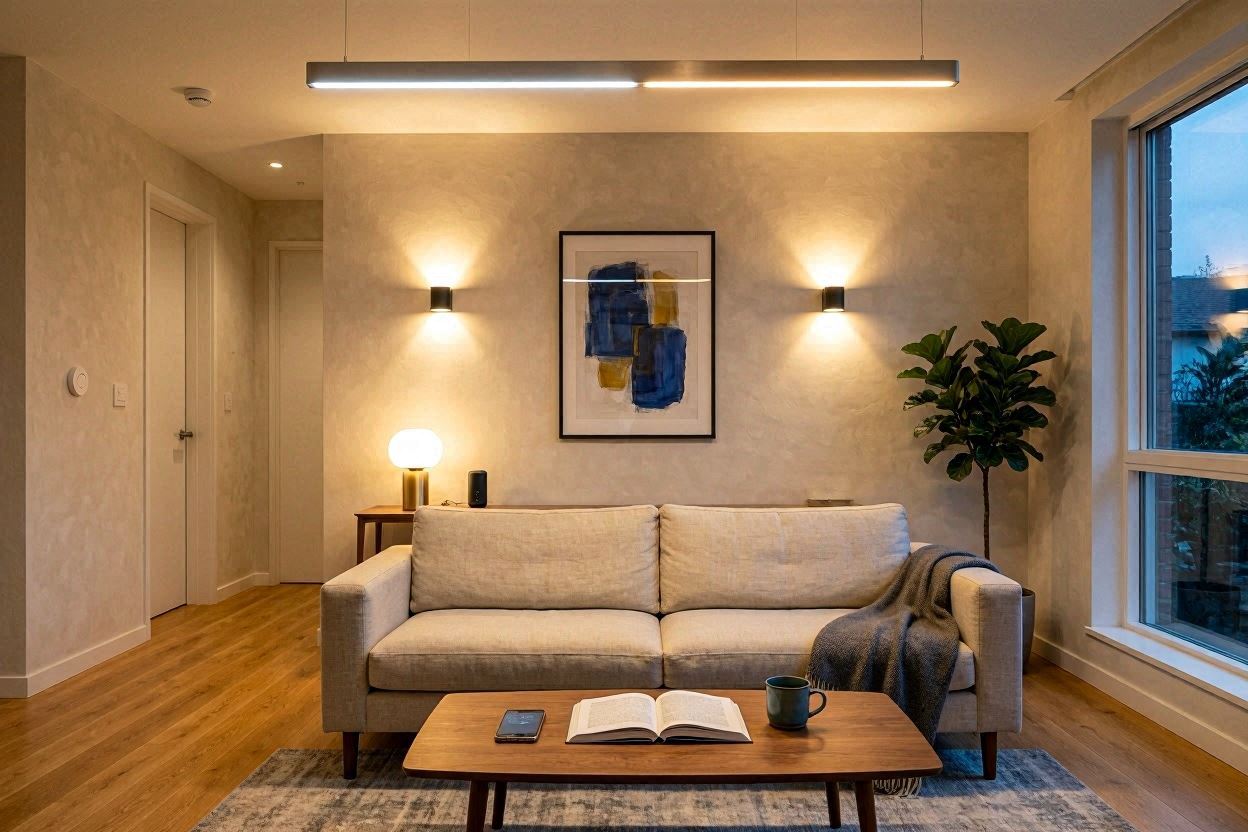
Signify’s smart lighting solutions deliver tangible benefits across diverse sectors. In residential settings, Philips Hue transforms homes into dynamic, mood-enhancing spaces with features like wake-up lighting, entertainment synchronization, and security integrations. Users report improved well-being, productivity, and energy savings.
In commercial and office environments, Interact systems optimize energy use, improve employee comfort through tunable white lighting that mimics natural daylight, and provide occupancy data for better space utilization. Retailers leverage dynamic lighting to influence customer behavior and highlight products effectively.
Smart cities and public infrastructure benefit immensely from Signify’s connected street lighting and urban solutions. These systems reduce energy costs, enhance public safety through integrated sensors, and support broader IoT ecosystems for traffic management and environmental monitoring. Acquisitions like Telensa have strengthened its position in cost-effective narrowband solutions for municipalities.
In industrial and specialized applications, Signify’s lighting supports horticulture growth optimization, sports venue experiences, and hazardous environments with reliable, intelligent illumination. Projects like illuminating major stadiums demonstrate its capability to deliver unforgettable experiences at scale.
Commitment to Sustainability and Future-Proof Innovations
Sustainability is woven into Signify’s DNA. The company has led the industry’s shift to LED technology and now pioneers circular lighting practices. Its products are designed for longevity, repairability, and recyclability, while services help customers achieve ambitious carbon reduction targets.
Signify invests heavily in emerging technologies such as AI-driven adaptive lighting, 5G integration, and advanced sensors. Human-centric lighting research focuses on how light affects circadian rhythms, mood, and performance, positioning the company at the intersection of technology and health.
Looking ahead, Signify aims to expand its leadership in connected lighting for the IoT era, exploring new frontiers in generative AI, edge computing, and seamless interoperability. Its strong financial position and innovation pipeline ensure it remains agile amid rapid technological change.
Why Signify Holding Remains the Undisputed Leader
Signify Holding’s combination of historical expertise, technological superiority, market execution, and visionary leadership cements its position as the undisputed leader in the smart lighting market. As the industry evolves toward greater intelligence, connectivity, and sustainability, Signify is uniquely positioned to shape its trajectory.
Businesses and consumers seeking reliable, future-proof smart lighting solutions continue to turn to Signify for its proven track record, comprehensive offerings, and commitment to unlocking the extraordinary potential of light for brighter lives and a better world.
FAQs
What is Signify Holding known for?
Signify Holding, formerly Philips Lighting, is the world leader in connected LED lighting systems, software, and services, best known for Philips Hue and Interact platforms.
How does Signify compare to competitors in smart lighting?
Signify leads with broader ecosystem integration, stronger brand recognition, global scale, and innovation in AI and IoT compared to players like Acuity Brands or OSRAM.
Is Philips Hue part of Signify?
Yes, Philips Hue is Signify’s flagship consumer smart lighting brand, licensed under the Philips name.
What industries does Signify serve?
Signify serves residential, commercial, industrial, retail, smart cities, horticulture, and specialized lighting markets.
Why choose Signify for smart lighting projects?
Signify offers unmatched reliability, energy savings, scalability, sustainability features, and ongoing innovation backed by decades of expertise.