
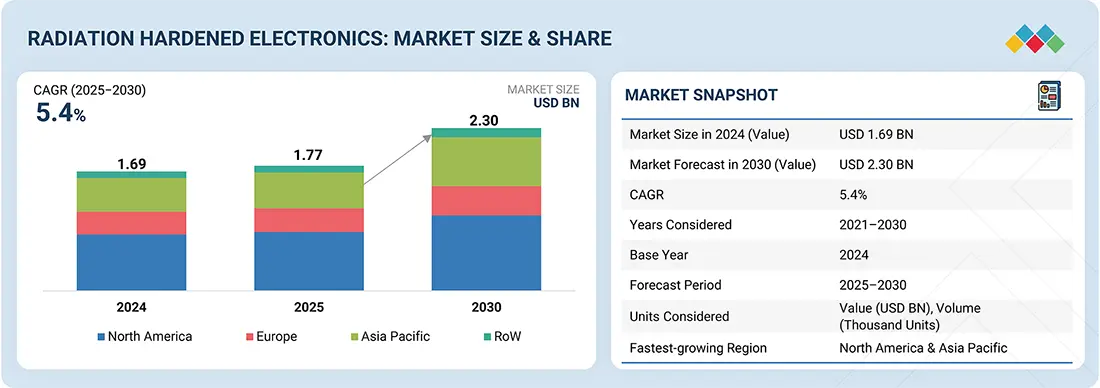
The Radiation Hardened Electronics Market is witnessing robust growth as planetary exploration missions become increasingly ambitious and technologically advanced. Governments, international space agencies, and private aerospace companies are expanding their efforts to explore the Moon, Mars, asteroids, and other celestial bodies, creating significant demand for electronic systems capable of operating in harsh extraterrestrial environments. Planetary exploration missions require highly reliable technologies that can withstand prolonged exposure to cosmic radiation, solar particle events, extreme temperatures, vacuum conditions, and intense mechanical stresses during launch and landing operations. Radiation hardened electronics have emerged as a critical enabler of these missions, supporting navigation, communication, data processing, scientific research, and autonomous operations throughout mission lifecycles.
One of the primary factors driving market growth is the increasing number of lunar exploration programs. Multiple nations and commercial organizations are investing in lunar landers, rovers, orbital platforms, and future lunar infrastructure projects. These missions require electronic systems that can operate reliably on the lunar surface, where radiation exposure is significantly higher than on Earth due to the absence of a protective atmosphere and magnetic field. Radiation hardened processors, memory devices, power management systems, and communication modules provide the resilience necessary to ensure continuous mission performance under these challenging conditions.
Mars exploration initiatives are also contributing significantly to market expansion. Rovers, orbiters, and future human exploration missions to Mars depend on sophisticated electronic systems capable of surviving long-duration exposure to deep-space radiation and harsh planetary environments. Radiation hardened electronics enable spacecraft to perform autonomous navigation, scientific data collection, environmental monitoring, and communication functions throughout multi-year missions. As space agencies continue developing advanced Mars exploration programs, the demand for high-performance radiation-resistant electronics is expected to grow substantially.
Download PDF Brochure @ https://www.marketsandmarkets.com/pdfdownloadNew.asp?id=44047967
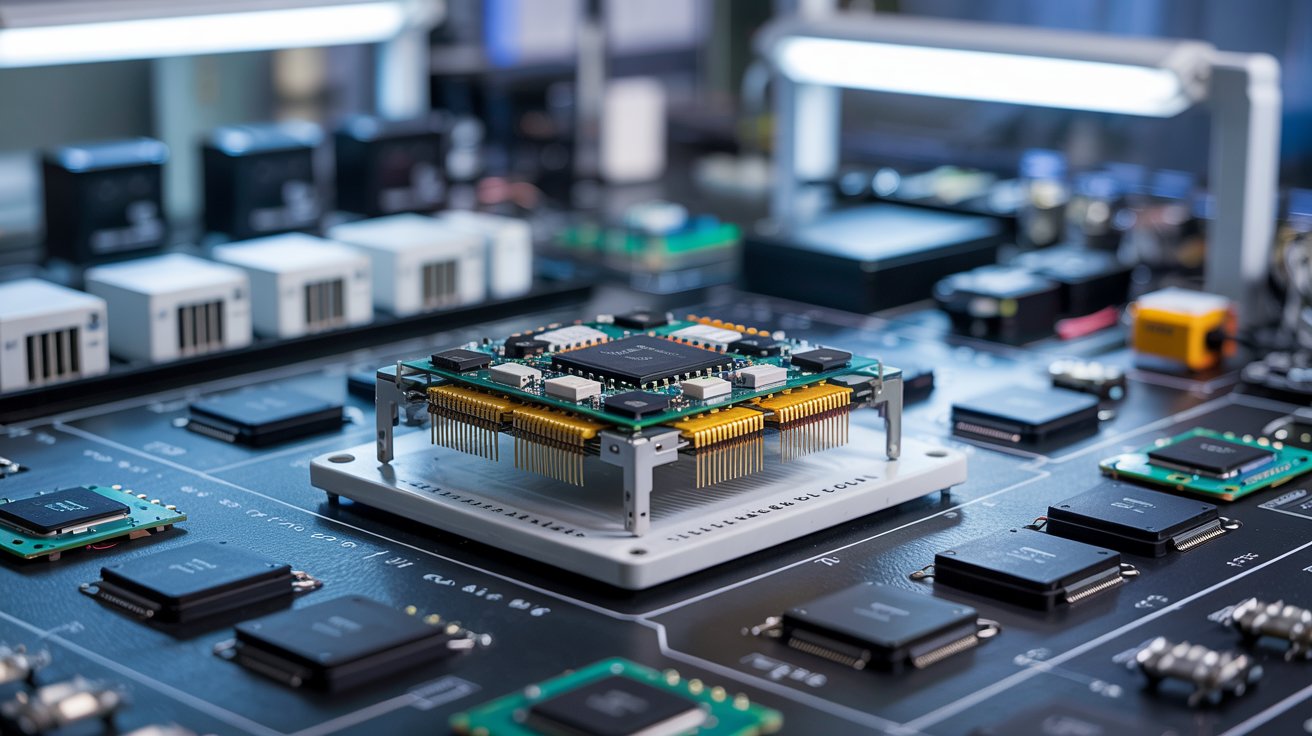
The growing interest in asteroid exploration is creating additional opportunities for the radiation hardened electronics market. Asteroid missions are designed to study the origins of the solar system, assess potential resource utilization opportunities, and improve understanding of planetary defense strategies. These missions often involve long travel distances and extended exposure to cosmic radiation. Radiation hardened electronic systems support onboard scientific instruments, propulsion systems, navigation technologies, and communication networks, ensuring mission success despite extreme environmental conditions.
Autonomous operation capabilities have become increasingly important in planetary exploration missions. Communication delays between Earth and distant spacecraft make real-time control impractical in many situations. As a result, spacecraft and planetary rovers must make independent decisions regarding navigation, obstacle avoidance, system diagnostics, and scientific data collection. Radiation hardened processors equipped with advanced computing capabilities support these autonomous functions while maintaining operational reliability in radiation-rich environments. The increasing adoption of artificial intelligence and machine learning technologies is further strengthening demand for intelligent radiation-resistant electronic systems.
Scientific instrumentation is another major factor supporting market growth. Planetary exploration missions carry a wide range of sensors, cameras, spectrometers, and analytical instruments designed to study planetary surfaces, atmospheres, geological formations, and potential signs of past or present life. These instruments generate large volumes of data that must be processed, stored, and transmitted accurately. Radiation hardened electronics ensure data integrity and support the reliable operation of scientific equipment throughout mission durations.
Inquiry Before Buying @ https://www.marketsandmarkets.com/Enquiry_Before_BuyingNew.asp?id=44047967
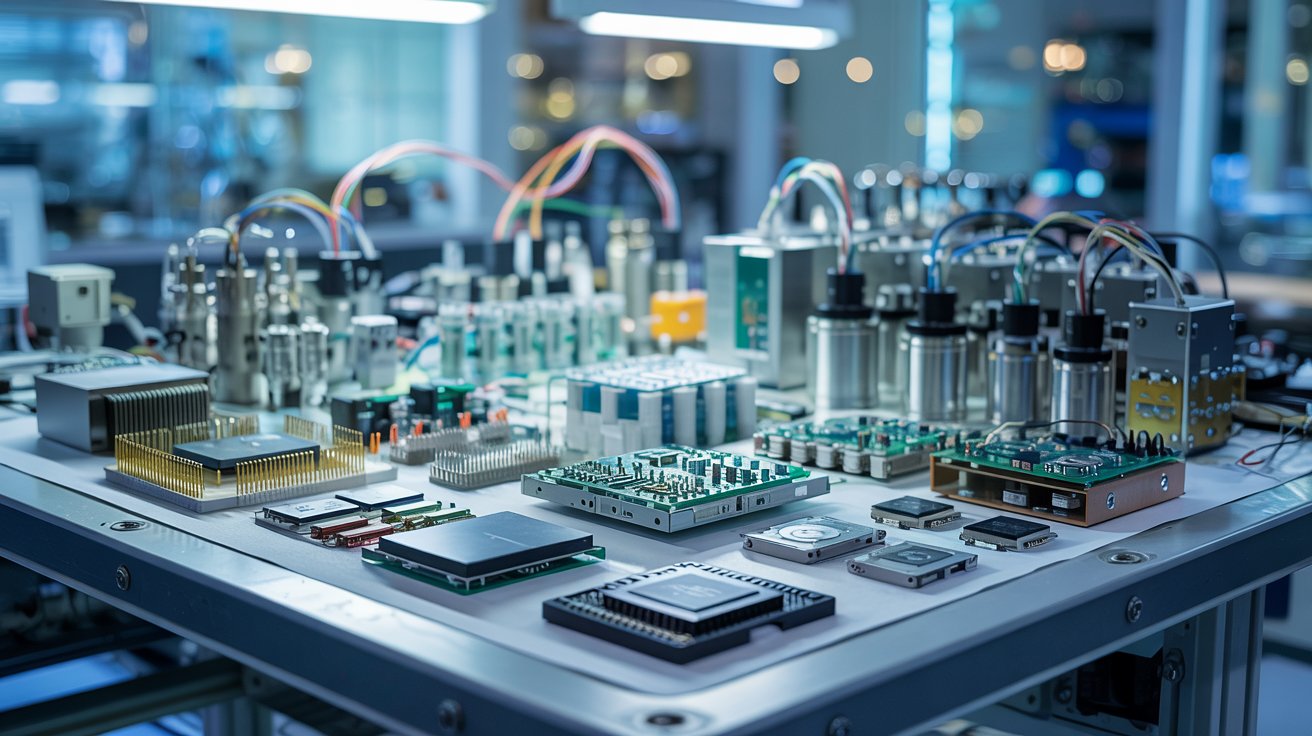
Communication systems play a crucial role in planetary exploration and represent a significant application area for radiation hardened electronics. Spacecraft operating millions of kilometers from Earth require highly dependable communication networks capable of transmitting scientific findings, operational status updates, and mission-critical information. Radiation-resistant communication processors, amplifiers, transceivers, and signal management systems enable stable communication links despite prolonged exposure to radiation and harsh environmental conditions.
Power management technologies are also driving market expansion. Planetary missions often rely on solar panels, batteries, or radioisotope power systems to provide energy for onboard operations. Radiation hardened power management electronics optimize energy generation, storage, and distribution while ensuring reliable system performance. These technologies are essential for supporting long-duration missions in environments where maintenance and repairs are impossible.
Advancements in semiconductor manufacturing are further accelerating market growth. Emerging fabrication techniques, radiation-resistant materials, fault-tolerant architectures, and advanced packaging technologies are enabling the development of more capable and durable electronic systems. These innovations allow mission designers to incorporate greater processing power, enhanced memory capacity, and improved communication capabilities while maintaining the radiation tolerance required for planetary exploration.
View detailed Table of Content here – https://www.marketsandmarkets.com/Market-Reports/radiation-hardened-electronics-market-44047967.html
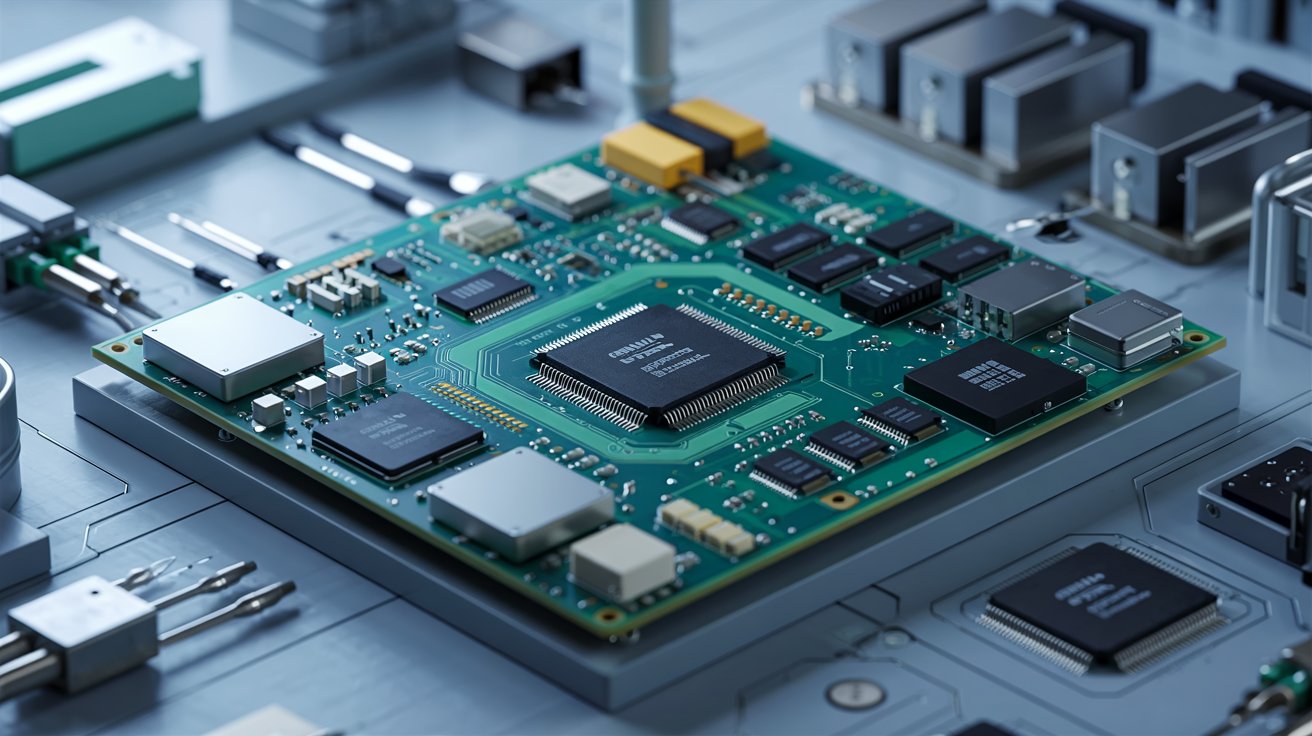
The commercialization of space exploration is creating additional opportunities for radiation hardened electronics. Private companies are increasingly participating in lunar missions, planetary research projects, and resource exploration initiatives. These organizations require cost-effective yet highly reliable electronic solutions capable of supporting complex exploration activities. As commercial participation in planetary exploration expands, demand for advanced radiation hardened technologies is expected to increase.
Regionally, North America remains the dominant market due to extensive investments in planetary science programs, space exploration missions, and semiconductor innovation. Europe continues to support growth through collaborative exploration projects and advanced aerospace research, while Asia-Pacific is rapidly expanding its planetary exploration capabilities through increased government funding and technological development.
The radiation hardened electronics market is poised for continued expansion as planetary exploration missions become more frequent, complex, and technologically demanding. The need for reliable electronic systems capable of operating in extreme radiation environments will remain a critical requirement for future exploration efforts. Ongoing advancements in semiconductor technologies, artificial intelligence, communication systems, power management solutions, and autonomous operations will continue to strengthen the role of radiation hardened electronics in enabling groundbreaking discoveries across the solar system.