
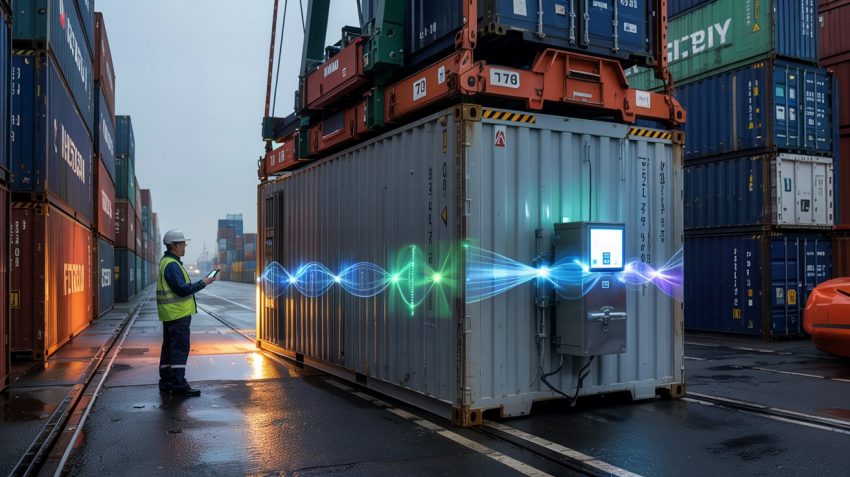
The Smart Container Market is evolving rapidly as RFID and Internet of Things technologies become fundamental to modern cargo transportation and supply chain intelligence. Smart containers are advanced shipping and logistics units equipped with connected digital systems that enable real-time tracking, environmental monitoring, security management, and predictive operational analytics. Among the most critical technologies driving this transformation are Radio Frequency Identification and IoT-enabled sensor networks. These technologies provide the connectivity, automation, and visibility required to improve operational efficiency across global logistics networks.
The increasing complexity of international supply chains has created strong demand for advanced cargo monitoring solutions. Traditional shipping containers often provide limited operational visibility, relying heavily on manual inspections and delayed reporting systems. This lack of transparency can result in shipment delays, misplaced cargo, environmental risks, and operational inefficiencies. RFID and IoT technologies address these limitations by enabling continuous data collection and real-time information exchange throughout the cargo transportation lifecycle.
RFID technology plays a crucial role in container identification and automated tracking. RFID uses radio waves to transmit information stored on electronic tags attached to containers. These tags can be read automatically by RFID scanners without requiring direct line-of-sight access. In smart container applications, RFID enables rapid identification and location verification as containers move through ports, warehouses, rail terminals, customs checkpoints, and distribution hubs. This automated visibility significantly improves logistics efficiency by reducing manual scanning processes and minimizing operational errors.
Download PDF Brochure @ https://www.marketsandmarkets.com/pdfdownloadNew.asp?id=194648249
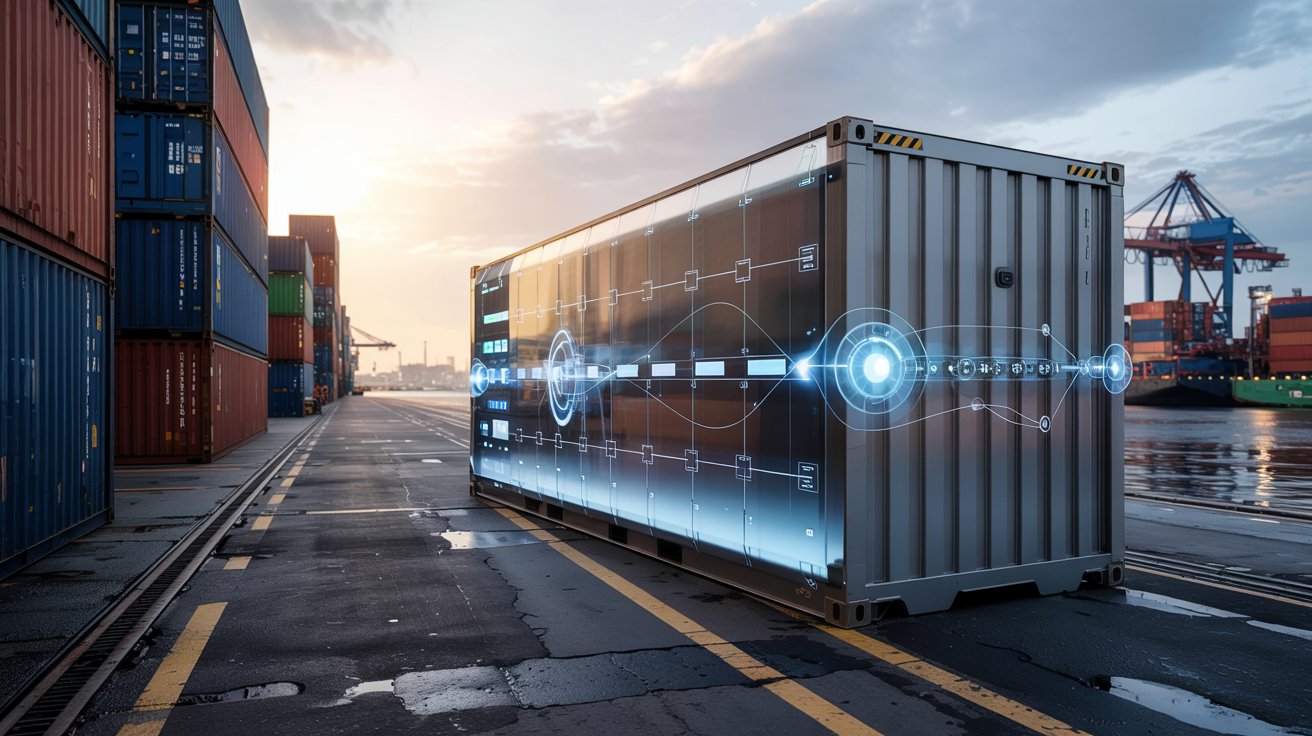
One of the most important advantages of RFID in the smart container market is its ability to streamline cargo handling operations. At busy logistics hubs, manual container identification can create delays and increase processing costs. RFID systems allow automated container recognition as cargo enters or exits facilities, accelerating terminal operations and improving throughput. This capability is particularly valuable in smart port infrastructure where large volumes of cargo must be processed quickly and accurately.
RFID technology also supports inventory management within connected logistics environments. Smart warehouses and distribution centers increasingly rely on automated inventory systems that integrate directly with RFID-enabled containers. This interoperability allows real-time updates to inventory records as containers move through storage and distribution facilities. Improved inventory visibility supports more accurate planning, reduced stock discrepancies, and faster order fulfillment.
While RFID provides efficient identification and localized tracking, IoT technologies enable broader operational intelligence through continuous monitoring and connectivity. IoT-enabled smart containers are equipped with sensors that collect data related to location, temperature, humidity, pressure, shock exposure, vibration, movement, and access conditions. These sensors continuously transmit information to cloud-based logistics platforms, providing comprehensive real-time visibility across transportation routes.
Real-time location tracking is one of the most important benefits of IoT integration. GPS-enabled IoT systems provide continuous geolocation updates, allowing logistics operators to monitor cargo movement across ships, trucks, rail systems, and warehouses. This enhanced location visibility helps optimize route planning, improve delivery forecasting, and reduce transportation uncertainties.
Environmental monitoring is another critical application of IoT within smart containers. Industries transporting pharmaceuticals, biologics, fresh food, chemicals, and specialty industrial materials require strict environmental control during transit. IoT sensors continuously monitor temperature, humidity, and other environmental variables, ensuring cargo conditions remain within acceptable thresholds. Automated alerts allow operators to respond immediately to deviations, reducing the risk of cargo spoilage or damage.
Inquiry Before Buying @ https://www.marketsandmarkets.com/Enquiry_Before_BuyingNew.asp?id=194648249
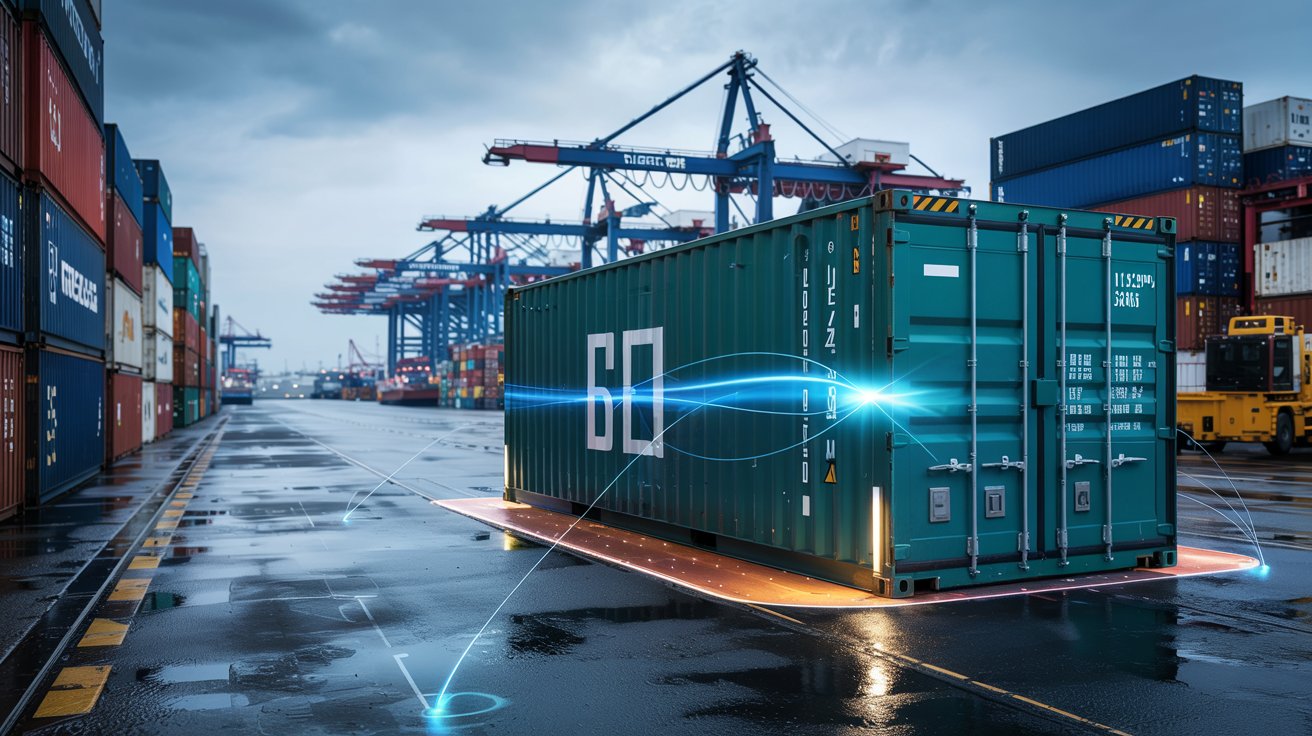
Cold chain logistics is one of the strongest growth areas benefiting from IoT-enabled smart containers. Temperature-sensitive products require uninterrupted environmental oversight throughout transportation. IoT technologies provide continuous condition monitoring and support compliance with regulatory standards for pharmaceutical and food transportation. As demand for cold chain logistics expands globally, IoT integration is becoming increasingly essential.
The combination of RFID and IoT technologies creates highly efficient smart container ecosystems. RFID supports rapid container identification and facility-level tracking, while IoT enables continuous condition monitoring and global communication. Together, these technologies provide comprehensive visibility across both local operational environments and long-distance transportation routes.
Cloud computing is a critical enabler of RFID and IoT-based smart container systems. Data collected from RFID readers and IoT sensors is transmitted to cloud-based logistics platforms where it can be aggregated, analyzed, and shared with supply chain stakeholders. These centralized platforms provide real-time dashboards, predictive analytics, and operational insights that support more informed logistics decision-making.
Artificial intelligence is further enhancing the value of RFID and IoT data. AI-powered analytics platforms analyze container-generated information to identify operational patterns, predict delays, optimize routes, and forecast maintenance needs. Predictive analytics helps logistics operators address disruptions proactively rather than reactively, improving supply chain resilience.
Security monitoring is another area where RFID and IoT technologies are driving smart container market growth. IoT-enabled security sensors can detect unauthorized access attempts, container tampering, or unusual movement patterns. RFID-based access verification systems ensure that only authorized personnel can interact with containers during transit and storage. These integrated security capabilities improve cargo protection and reduce theft risks.
Wireless communication technologies such as 5G, low-power wide-area networks, and satellite connectivity are strengthening IoT-based smart container performance. These communication systems enable faster and more reliable data transmission across global transportation routes, ensuring continuous operational visibility even in remote shipping environments.
View detailed Table of Content here – https://www.marketsandmarkets.com/Market-Reports/smart-container-market-194648249.html
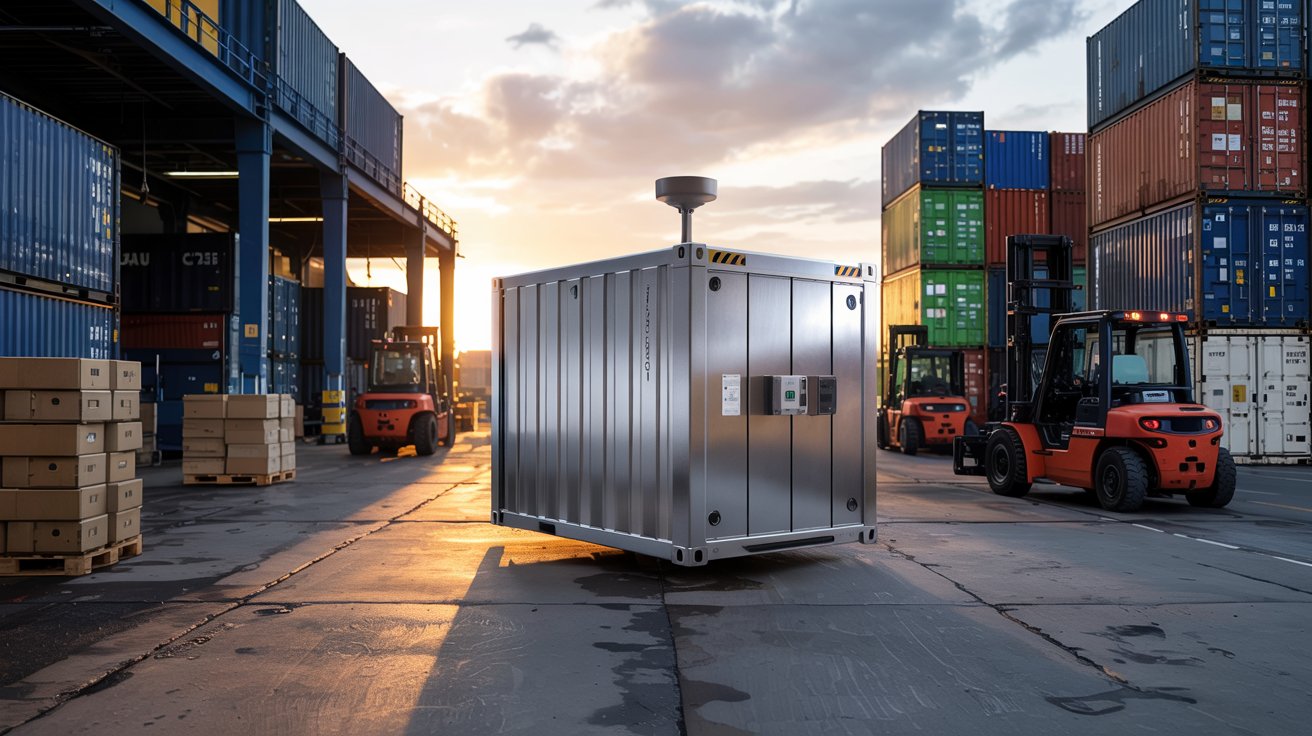
Blockchain integration is emerging as an important complement to RFID and IoT technologies. Blockchain provides secure and tamper-resistant records of container movement, environmental conditions, and custody transfers. When combined with RFID and IoT-generated data, blockchain improves supply chain transparency and strengthens trust across logistics networks.
Sustainability initiatives are also driving adoption of RFID and IoT technologies in smart containers. Enhanced visibility enables route optimization, improved asset utilization, reduced idle time, and minimized cargo losses. These efficiencies contribute to lower fuel consumption and reduced carbon emissions, supporting greener logistics operations.
Research and development investments continue advancing RFID and IoT capabilities within the smart container market. Companies are developing low-power sensor technologies, longer-range RFID systems, energy-efficient wireless communication modules, and edge computing capabilities to improve performance and reduce operational costs.
Asia-Pacific remains one of the fastest-growing regions for RFID and IoT-based smart container adoption due to expanding international trade, logistics modernization, and large-scale smart port development. North America and Europe also continue driving strong demand through digital supply chain transformation and advanced cold chain logistics infrastructure.
Despite strong growth opportunities, challenges remain. Connectivity limitations, integration complexity, cybersecurity concerns, and initial deployment costs can affect adoption. However, ongoing technological innovation is expected to address these barriers over time.
RFID and IoT technologies are playing a central role in shaping the future of the smart container market. RFID provides efficient automated identification and local tracking, while IoT enables continuous monitoring and global real-time visibility. Together, these technologies are transforming cargo transportation by improving operational transparency, security, efficiency, and predictive intelligence. As logistics networks continue becoming more connected and data-driven, RFID and IoT will remain essential to smart container market expansion.