
The Data Converter Market is witnessing strong growth as smart grid infrastructure continues transforming global energy networks. Data converters, including analog-to-digital converters (ADCs) and digital-to-analog converters (DACs), are essential semiconductor technologies that enable communication between analog electrical signals and digital control systems. Smart grids rely heavily on intelligent monitoring, automation, and real-time communication to improve electricity generation, distribution, and consumption efficiency. As governments and utility providers invest heavily in modernizing energy infrastructure, demand for advanced data converter technologies within smart grid systems is increasing rapidly across the world.
One of the major drivers supporting data converter market growth is the rising need for efficient energy management systems. Traditional power grids operate with limited monitoring capabilities and slower communication processes, while modern smart grids depend on digital technologies to optimize power distribution and reduce energy losses. Data converters enable accurate processing of voltage, current, temperature, and frequency signals collected from energy infrastructure components. These semiconductor devices allow smart grid control systems to monitor operational conditions in real time and make intelligent decisions that improve overall grid reliability and efficiency.
The increasing integration of renewable energy sources is another significant factor accelerating demand for advanced data converter technologies. Solar farms, wind power installations, hydroelectric facilities, and distributed renewable energy systems require sophisticated communication and signal processing platforms to ensure stable energy transmission and grid synchronization. ADCs and DACs help convert analog electrical signals into digital information that can be analyzed and controlled by energy management systems. As renewable energy adoption continues expanding globally, smart grids increasingly rely on advanced signal conversion technologies to manage fluctuating power generation and maintain grid stability.
Download PDF Brochure @ https://www.marketsandmarkets.com/pdfdownloadNew.asp?id=26991458
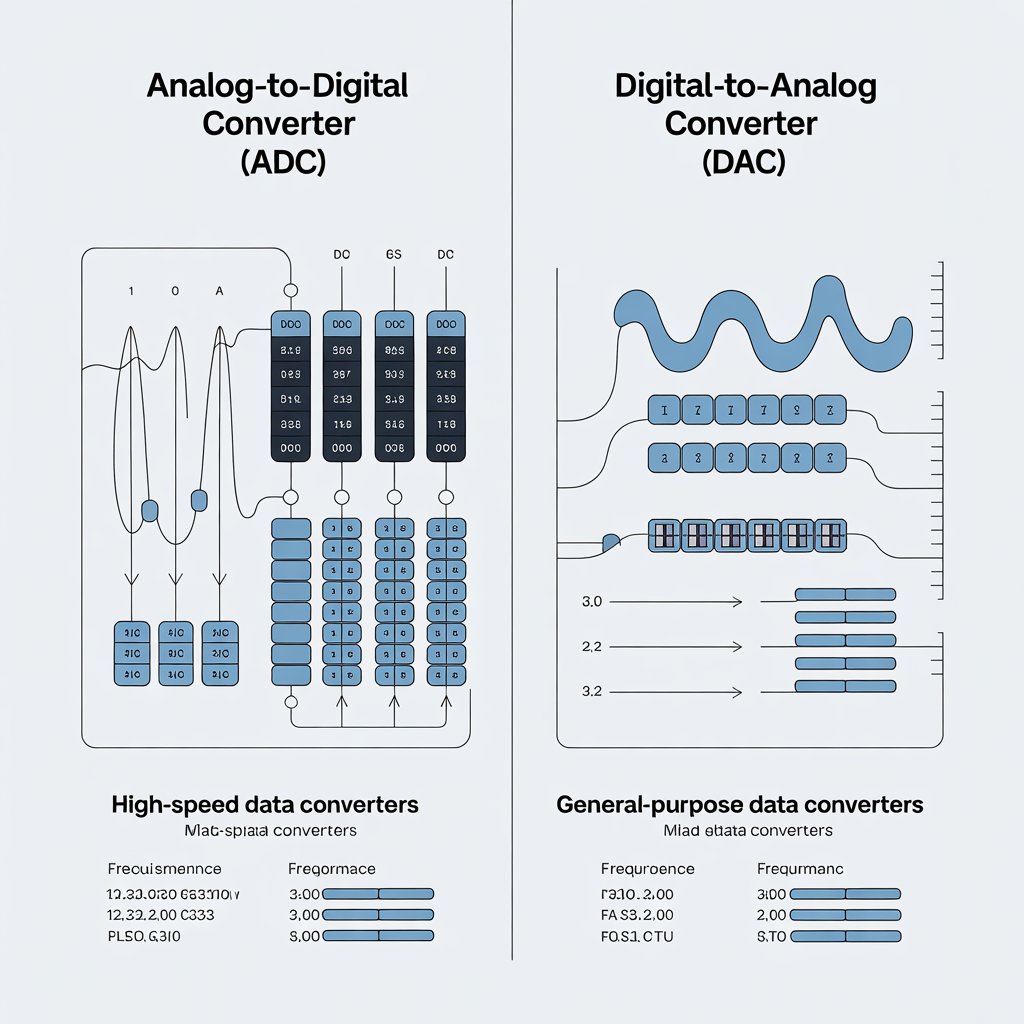
Artificial intelligence integration is becoming an important trend within smart grid infrastructure and is significantly influencing the data converter market. AI-powered grid management systems use predictive analytics and machine learning algorithms to optimize electricity distribution, forecast energy demand, and detect operational abnormalities. These intelligent systems depend on real-time signal acquisition and high-speed data processing supported by advanced data converters. Semiconductor manufacturers are increasingly developing AI-optimized signal conversion technologies designed specifically for smart energy applications.
The growth of Internet of Things technologies within energy infrastructure is also creating substantial opportunities for data converter manufacturers. Smart grids rely on large networks of connected sensors, smart meters, transformers, substations, and communication devices that continuously collect and exchange operational data. Data converters process analog sensor signals and convert them into digital information for remote monitoring and automated control systems. The expansion of connected energy infrastructure is increasing demand for highly efficient and reliable semiconductor solutions capable of supporting large-scale IoT ecosystems.
Smart metering systems represent one of the fastest-growing application areas for data converter technologies. Modern smart meters enable utility providers and consumers to monitor electricity usage in real time while improving billing accuracy and energy efficiency. ADCs process analog electrical measurements within smart meters and support communication between residential, commercial, and industrial users and centralized utility networks. Governments worldwide are investing heavily in smart meter deployment as part of broader smart grid modernization initiatives, supporting long-term growth opportunities within the semiconductor market.
Battery energy storage systems are becoming increasingly important components of modern smart grids and are driving additional demand for advanced data converter technologies. Energy storage infrastructure requires precise monitoring of voltage levels, battery conditions, charging cycles, and thermal performance to ensure operational safety and efficiency. Data converters facilitate communication between battery systems and digital energy management platforms, enabling intelligent control and predictive maintenance functions. The rapid expansion of grid-scale energy storage projects is expected to strengthen demand for high-performance semiconductor technologies.
Inquiry Before Buying @ https://www.marketsandmarkets.com/Enquiry_Before_BuyingNew.asp?id=26991458
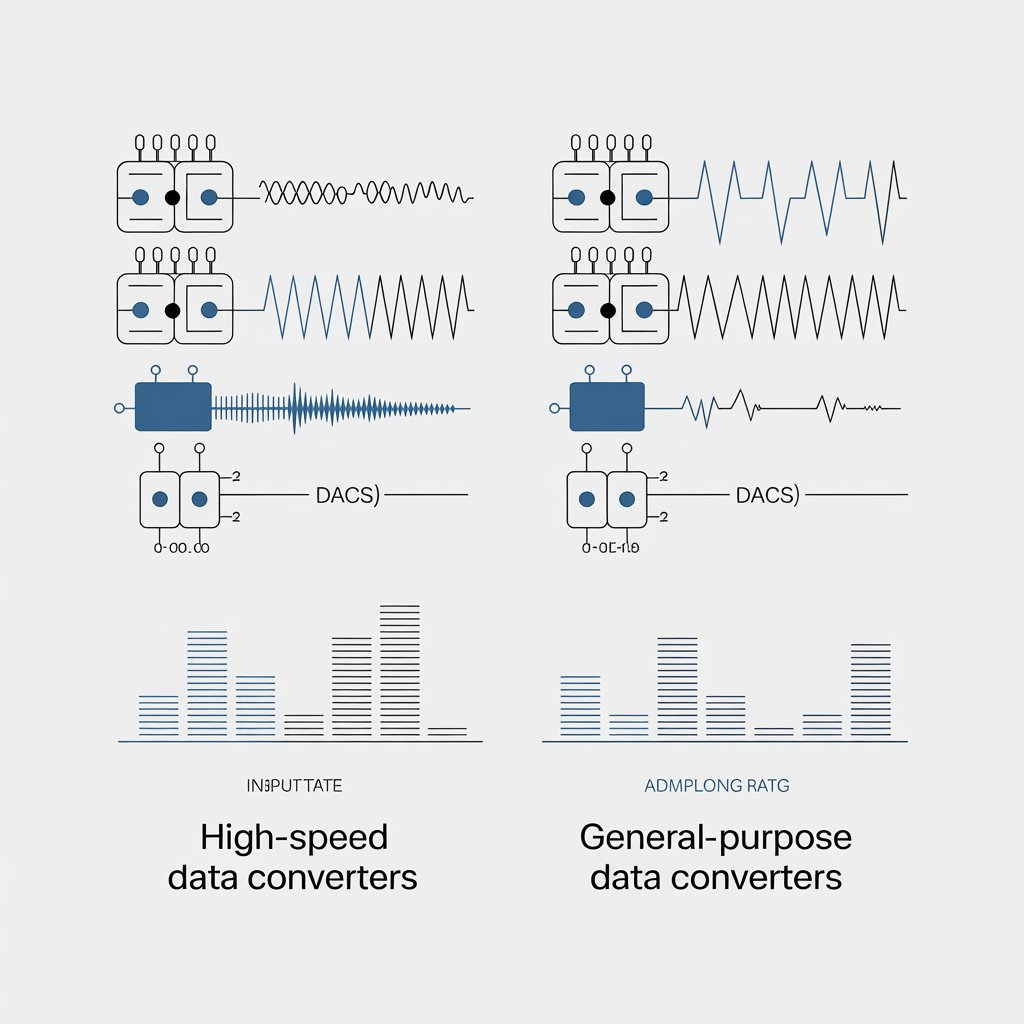
Electric vehicle charging infrastructure is also contributing significantly to the growth of the data converter market in smart grid applications. Smart charging stations rely on advanced communication systems and power management technologies to optimize charging efficiency and balance energy demand across power networks. Data converters process electrical signals within charging systems and support interaction between electric vehicles, utility grids, and cloud-based energy management platforms. The increasing global adoption of electric vehicles is accelerating investments in intelligent charging infrastructure and smart energy systems.
Cloud computing integration is becoming increasingly common within smart grid infrastructure. Utility providers and energy companies use cloud-based analytics platforms to monitor grid operations, analyze energy consumption patterns, and optimize system performance. Data converters support efficient communication between analog grid equipment and cloud-connected digital platforms. The growing adoption of cloud-enabled energy management systems is creating additional opportunities for advanced signal conversion technologies.
Edge computing technologies are also playing a growing role in smart grid operations. Edge devices located within substations, renewable energy facilities, and distributed power systems enable real-time data processing closer to energy sources, reducing communication delays and improving operational responsiveness. These edge platforms require efficient signal conversion technologies capable of processing large amounts of electrical data locally. Advanced ADCs and DACs integrated into edge systems help improve grid automation and energy management efficiency.
Industrial automation within utility infrastructure is another trend supporting data converter market expansion. Smart substations and automated grid control systems increasingly use robotics, intelligent sensors, and remote monitoring platforms to improve operational reliability and reduce maintenance costs. Data converters enable communication between physical grid equipment and digital automation systems while supporting predictive maintenance and fault detection capabilities.
Cybersecurity and operational reliability are becoming increasingly important within smart grid ecosystems. Modern energy infrastructure processes large amounts of operational and consumer data across interconnected digital networks. Semiconductor manufacturers are focusing on developing highly reliable and secure signal conversion technologies capable of supporting stable communication and protecting critical energy infrastructure from cyber threats. Advanced semiconductor architectures with improved operational resilience are becoming essential within smart grid environments.
View detailed Table of Content here – https://www.marketsandmarkets.com/Market-Reports/data-converter-market-26991458.html
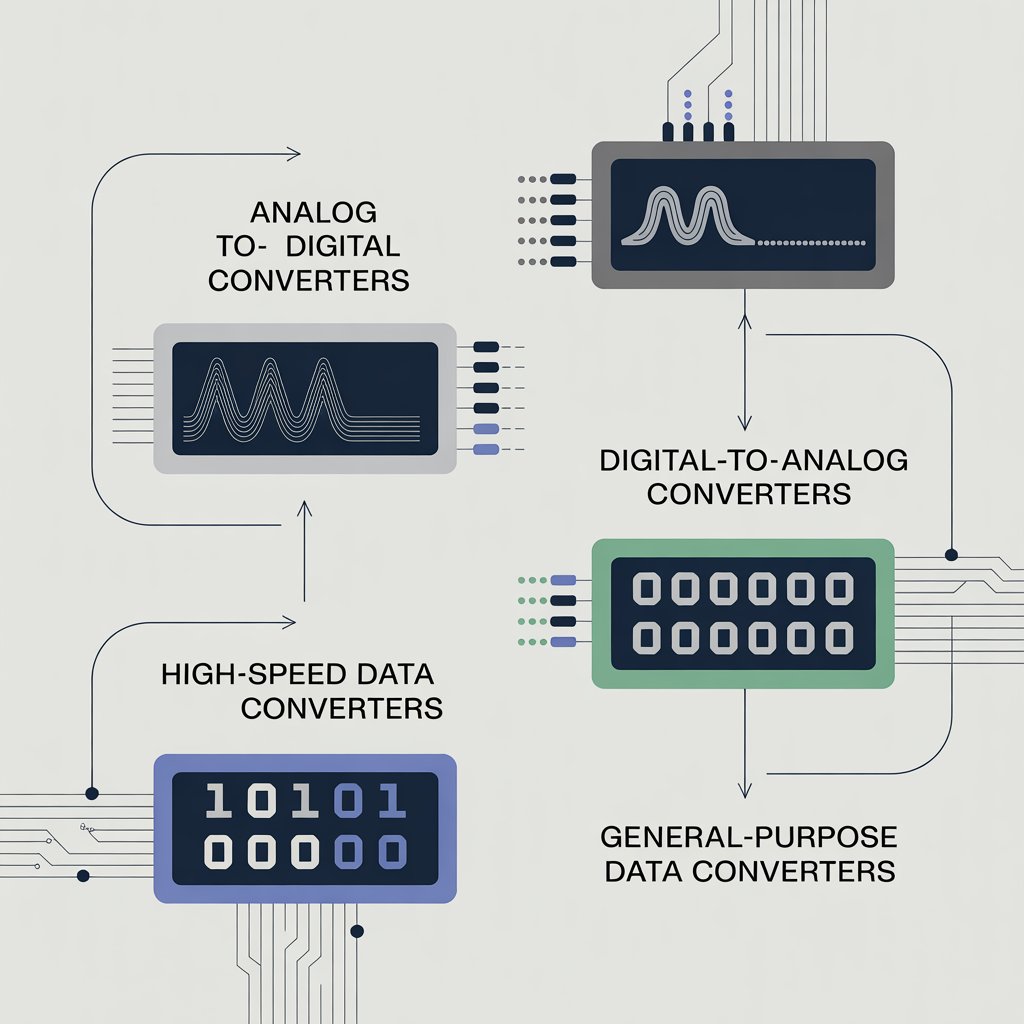
Research and development investments continue driving innovation within the data converter market for smart grid applications. Semiconductor companies are investing heavily in low-power semiconductor architectures, advanced mixed-signal integrated circuits, AI-enhanced signal processing technologies, and system-on-chip integration platforms to improve operational efficiency and scalability. These innovations are helping smart grids achieve better energy optimization, faster communication, and improved system reliability.
Asia-Pacific remains one of the fastest-growing regions for smart grid infrastructure development due to rapid urbanization, industrialization, renewable energy deployment, and government investments in digital energy systems. Countries such as China, India, Japan, and South Korea are heavily investing in smart grid modernization and intelligent energy infrastructure projects. North America and Europe also continue to maintain strong market demand because of advanced renewable energy integration and ambitious carbon reduction strategies.
Despite strong growth prospects, several challenges continue affecting the data converter market within smart grid infrastructure. Semiconductor supply chain disruptions, rising manufacturing costs, increasing system complexity, and interoperability issues between legacy and modern energy systems remain significant industry concerns. Additionally, maintaining signal accuracy and operational reliability in large-scale energy networks requires continuous technological innovation and engineering advancement. However, ongoing progress in semiconductor design and digital energy technologies is expected to support long-term market expansion.
Smart grid infrastructure is playing a major role in driving growth within the global data converter market. The increasing adoption of renewable energy systems, smart metering technologies, battery storage infrastructure, electric vehicle charging networks, AI-powered energy management systems, and connected utility platforms is creating substantial demand for advanced signal conversion technologies. Data converters remain essential for enabling accurate, efficient, and intelligent communication between electrical infrastructure and digital control systems. As global energy networks continue modernizing and transitioning toward sustainable power systems, the data converter market is expected to experience sustained innovation and strong long-term growth.