
The Semiconductor Cleanroom Market is undergoing significant transformation as smart facility infrastructure becomes increasingly important within modern semiconductor manufacturing environments. Semiconductor cleanrooms are highly controlled facilities designed to maintain strict environmental conditions for advanced semiconductor fabrication processes. These facilities require precise management of airborne particles, temperature, humidity, airflow, pressure differentials, and chemical contamination to ensure reliable semiconductor production. As semiconductor technologies continue advancing toward smaller process nodes and higher manufacturing complexity, traditional cleanroom systems are evolving into intelligent smart facilities supported by artificial intelligence, Industrial Internet of Things technologies, automation platforms, cloud computing, and advanced environmental analytics. This transition toward connected infrastructure is driving major trends across the semiconductor cleanroom market.
One of the most important trends within smart semiconductor facilities is the integration of artificial intelligence into cleanroom management systems. AI-powered facility platforms continuously monitor environmental conditions and operational performance across semiconductor fabrication environments. Machine learning algorithms analyze data from interconnected sensors and equipment systems to optimize airflow, temperature stability, humidity control, and contamination management. AI-driven predictive maintenance technologies identify equipment performance issues before operational failures occur, reducing downtime and improving manufacturing efficiency. These intelligent systems are becoming essential for maintaining the environmental precision required for advanced semiconductor manufacturing processes.
Industrial Internet of Things connectivity is another major trend transforming smart semiconductor cleanroom infrastructure. Semiconductor fabrication facilities deploy extensive sensor networks throughout cleanroom environments to monitor airborne particle concentrations, chemical contamination levels, pressure stability, vibration conditions, and equipment performance in real time. Industrial IoT platforms enable continuous communication between environmental monitoring systems, production equipment, automation technologies, and facility management platforms. This connected infrastructure improves operational visibility and allows semiconductor manufacturers to respond quickly to environmental changes or contamination risks.
Download PDF Brochure @ https://www.marketsandmarkets.com/pdfdownloadNew.asp?id=190223958
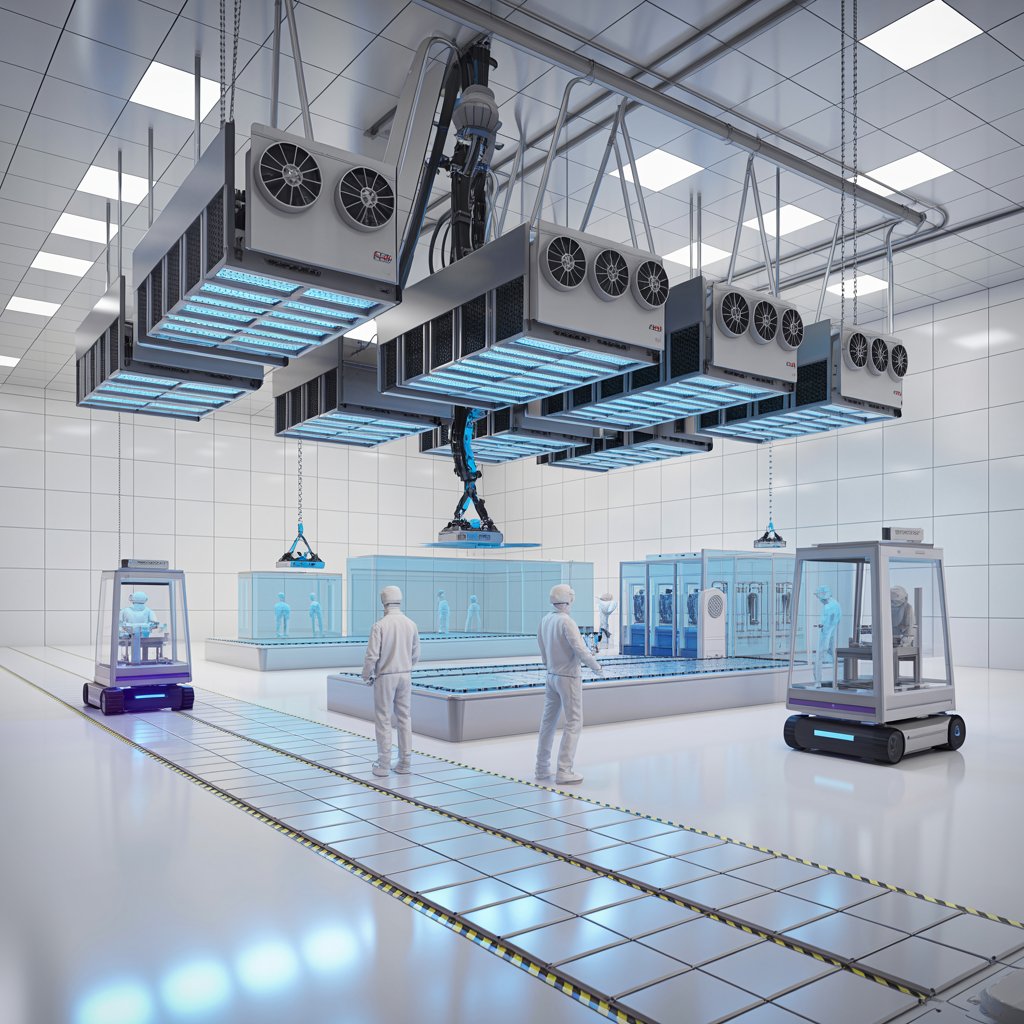
Cloud computing integration is also reshaping semiconductor cleanroom operations within smart facility environments. Cloud-based facility management systems allow semiconductor companies to centralize operational data from multiple fabrication facilities and perform advanced analytics across global manufacturing networks. Real-time cloud connectivity supports predictive process optimization, remote facility monitoring, and centralized operational control. Cloud infrastructure also enables more effective coordination between semiconductor production sites, improving manufacturing scalability and operational flexibility. As semiconductor manufacturers continue adopting digital manufacturing ecosystems, cloud-enabled cleanroom infrastructure is expected to become increasingly important.
Automation and robotics are becoming central components of smart semiconductor facility infrastructure. Semiconductor manufacturing requires highly precise handling of wafers, chemicals, and nanoscale materials that are extremely sensitive to contamination. Intelligent robotic systems integrated with AI-powered automation platforms are increasingly used for wafer transport, material handling, inspection, and cleanroom maintenance operations. Automated systems help minimize human interaction within sensitive manufacturing environments while improving production accuracy and operational consistency. Advanced robotics also support higher manufacturing throughput and improve contamination control standards across semiconductor fabrication facilities.
Digital twin technology is emerging as another important trend within smart semiconductor cleanrooms. Digital twins create virtual simulations of cleanroom environments, production equipment, and manufacturing workflows using real-time operational data collected from connected systems. Semiconductor manufacturers use digital twin platforms to evaluate process modifications, optimize facility layouts, and simulate contamination scenarios without disrupting live manufacturing operations. AI-powered digital twin systems improve operational intelligence and support more efficient decision-making within semiconductor fabrication facilities. These virtual modeling technologies are becoming increasingly valuable as semiconductor manufacturing complexity continues increasing.
Energy efficiency optimization is becoming a key focus area within smart semiconductor facility infrastructure. Semiconductor cleanrooms consume substantial amounts of electricity due to advanced environmental control systems, HVAC infrastructure, and precision manufacturing equipment. Intelligent facility management platforms supported by artificial intelligence continuously optimize airflow patterns, cooling operations, filtration systems, and power distribution based on real-time operational conditions. These smart energy management technologies help semiconductor manufacturers reduce operational costs and improve sustainability performance while maintaining strict contamination control standards.
Inquiry Before Buying @ https://www.marketsandmarkets.com/Enquiry_Before_BuyingNew.asp?id=190223958
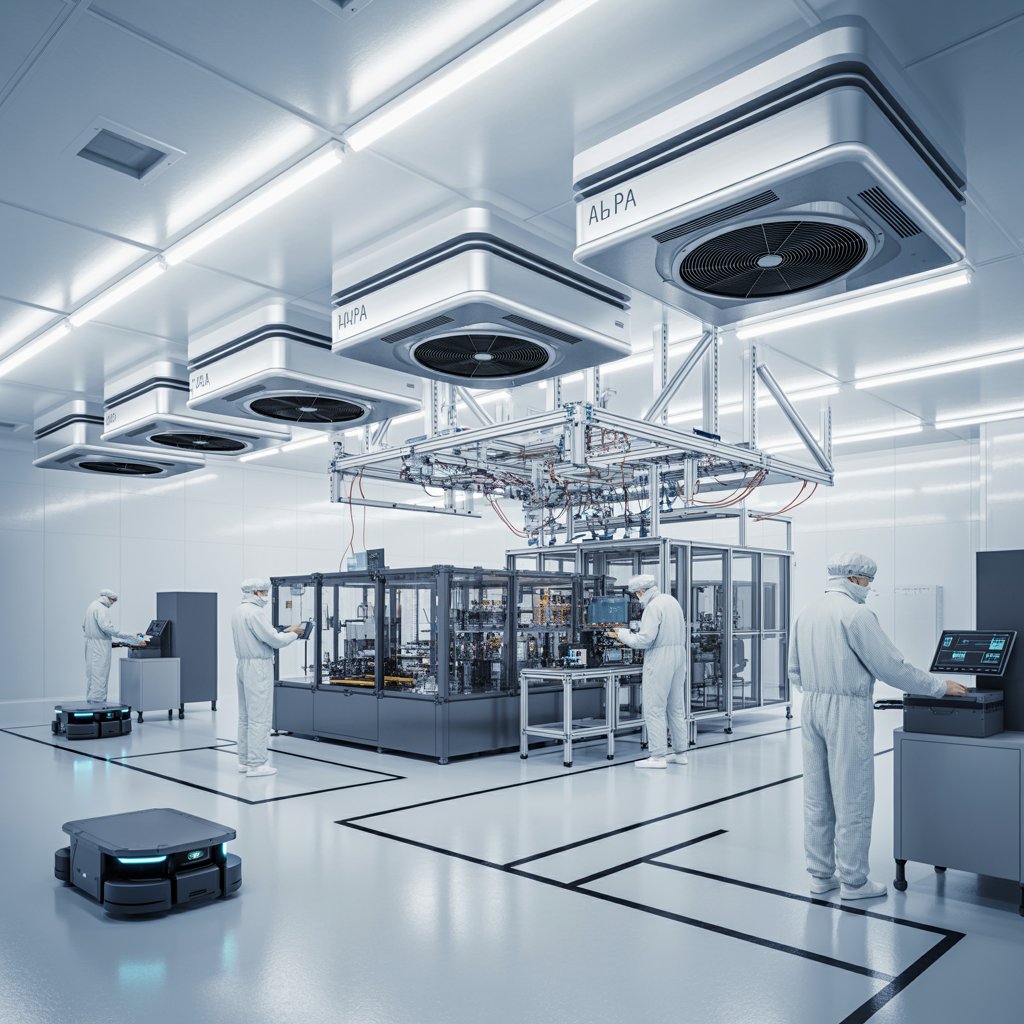
Advanced filtration and airflow management technologies are also evolving rapidly within smart cleanroom environments. Semiconductor manufacturing processes operating at nanoscale dimensions require ultra-clean conditions because even microscopic airborne particles can affect production yields and chip reliability. Smart cleanroom systems integrate high-efficiency particulate air filtration technologies, intelligent airflow management platforms, and AI-driven contamination monitoring systems to maintain stable environmental conditions. Real-time monitoring and automated airflow optimization improve contamination control while supporting efficient resource utilization.
The rise of Industry 4.0 manufacturing ecosystems is further strengthening the demand for smart semiconductor facility infrastructure. Semiconductor manufacturers are increasingly adopting connected production systems where cleanroom infrastructure, automation platforms, production equipment, and analytics technologies operate as fully integrated digital environments. These interconnected manufacturing ecosystems improve operational coordination, production scalability, and real-time decision-making. Smart facility infrastructure enables semiconductor manufacturers to optimize manufacturing workflows dynamically and improve overall production efficiency.
Cybersecurity is becoming increasingly important within smart semiconductor cleanroom environments. Connected cleanroom infrastructure relies heavily on cloud-based analytics platforms, Industrial Internet of Things devices, and intelligent automation systems for operational management. Protecting these interconnected systems from cyber threats and operational disruptions is becoming a major priority for semiconductor manufacturers. Companies are investing heavily in secure communication protocols, encrypted monitoring systems, advanced cybersecurity frameworks, and resilient digital infrastructure to ensure safe and reliable smart manufacturing operations.
The increasing demand for advanced semiconductor devices is accelerating investments in smart cleanroom infrastructure worldwide. Artificial intelligence processors, electric vehicle semiconductors, high-performance computing chips, advanced memory devices, and 5G communication technologies all require highly sophisticated manufacturing environments with precise contamination control. Semiconductor manufacturers are expanding fabrication capacity globally and increasingly designing new facilities as intelligent smart factories equipped with advanced cleanroom technologies and integrated facility management systems.
Electric vehicle production is contributing significantly to semiconductor cleanroom market growth in smart facility applications. Automotive semiconductors used in battery management systems, autonomous driving technologies, infotainment systems, and power electronics require highly reliable manufacturing processes and extensive quality control measures. Smart cleanroom infrastructure helps semiconductor manufacturers maintain production consistency and improve operational efficiency while supporting high-volume automotive semiconductor manufacturing operations.
View detailed Table of Content here – https://www.marketsandmarkets.com/Market-Reports/semiconductor-cleanroom-market-190223958.html
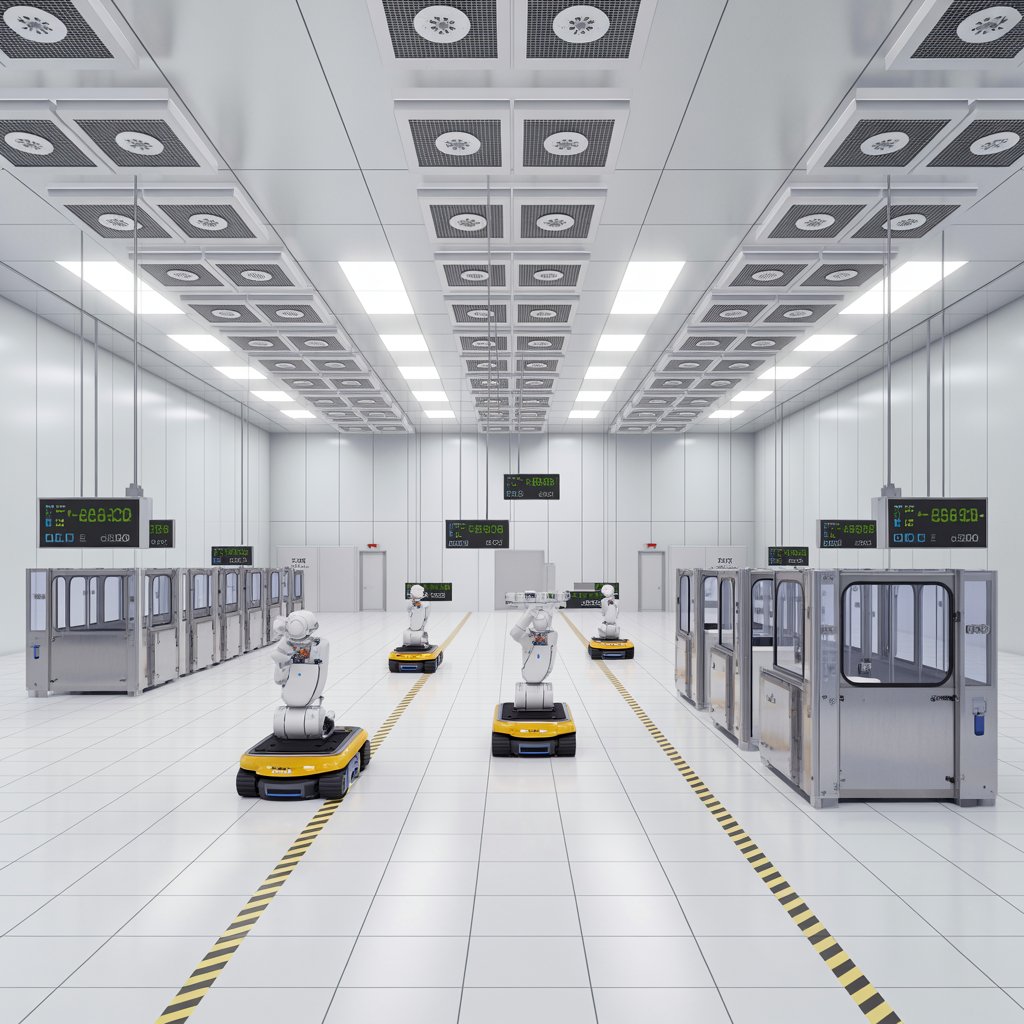
The rollout of 5G communication infrastructure is also creating strong demand for smart semiconductor facilities. Advanced communication semiconductors used in 5G base stations, networking equipment, mobile devices, and edge computing systems require precision fabrication processes supported by intelligent cleanroom environments. Semiconductor manufacturers are increasing investments in connected manufacturing infrastructure and smart environmental control systems to support next-generation communication technology production.
Sustainability initiatives are becoming increasingly important within smart semiconductor facility infrastructure. Semiconductor manufacturers are under growing pressure to reduce carbon emissions, optimize water usage, and improve energy efficiency across manufacturing operations. Smart cleanroom technologies supported by AI-driven resource management systems help optimize environmental controls, improve renewable energy integration, and reduce operational waste. Intelligent facility infrastructure enables semiconductor companies to achieve sustainability goals while maintaining strict manufacturing quality standards.
Regional semiconductor manufacturing expansion is creating significant opportunities for smart cleanroom infrastructure providers. Governments and private companies across the United States, Europe, Taiwan, South Korea, Japan, China, and the Middle East are investing heavily in semiconductor fabrication facilities to strengthen supply chain resilience and improve technological competitiveness. New semiconductor plants are increasingly being designed with integrated smart facility infrastructure capable of supporting advanced manufacturing technologies and future semiconductor production requirements.
Research and development investments continue driving innovation across smart semiconductor facility technologies. Semiconductor equipment manufacturers, industrial automation companies, software developers, and environmental engineering firms are investing heavily in artificial intelligence, machine learning, smart sensors, robotics, cloud computing, and digital twin technologies. These innovations are improving cleanroom operational intelligence, scalability, contamination control, and energy efficiency across semiconductor manufacturing environments.
Despite strong market growth opportunities, several challenges continue affecting the adoption of smart facility infrastructure within semiconductor cleanrooms. High implementation costs, complex system integration requirements, cybersecurity concerns, and skilled workforce shortages remain important industry considerations. Additionally, managing large-scale operational data generated by connected manufacturing systems requires advanced analytics capabilities and robust digital infrastructure. However, continuous advancements in artificial intelligence, Industrial Internet of Things technologies, cloud computing, and semiconductor engineering are expected to address many of these challenges over time.
Smart facility infrastructure is playing a transformative role in shaping trends within the semiconductor cleanroom market. The integration of artificial intelligence, Industrial Internet of Things systems, cloud computing, automation technologies, digital twins, and intelligent environmental management platforms is enabling semiconductor manufacturers to improve operational efficiency, contamination control, scalability, and sustainability. As semiconductor manufacturing continues evolving toward greater complexity and digitalization, smart cleanroom infrastructure will remain essential for supporting efficient, reliable, and future-ready semiconductor fabrication operations.