
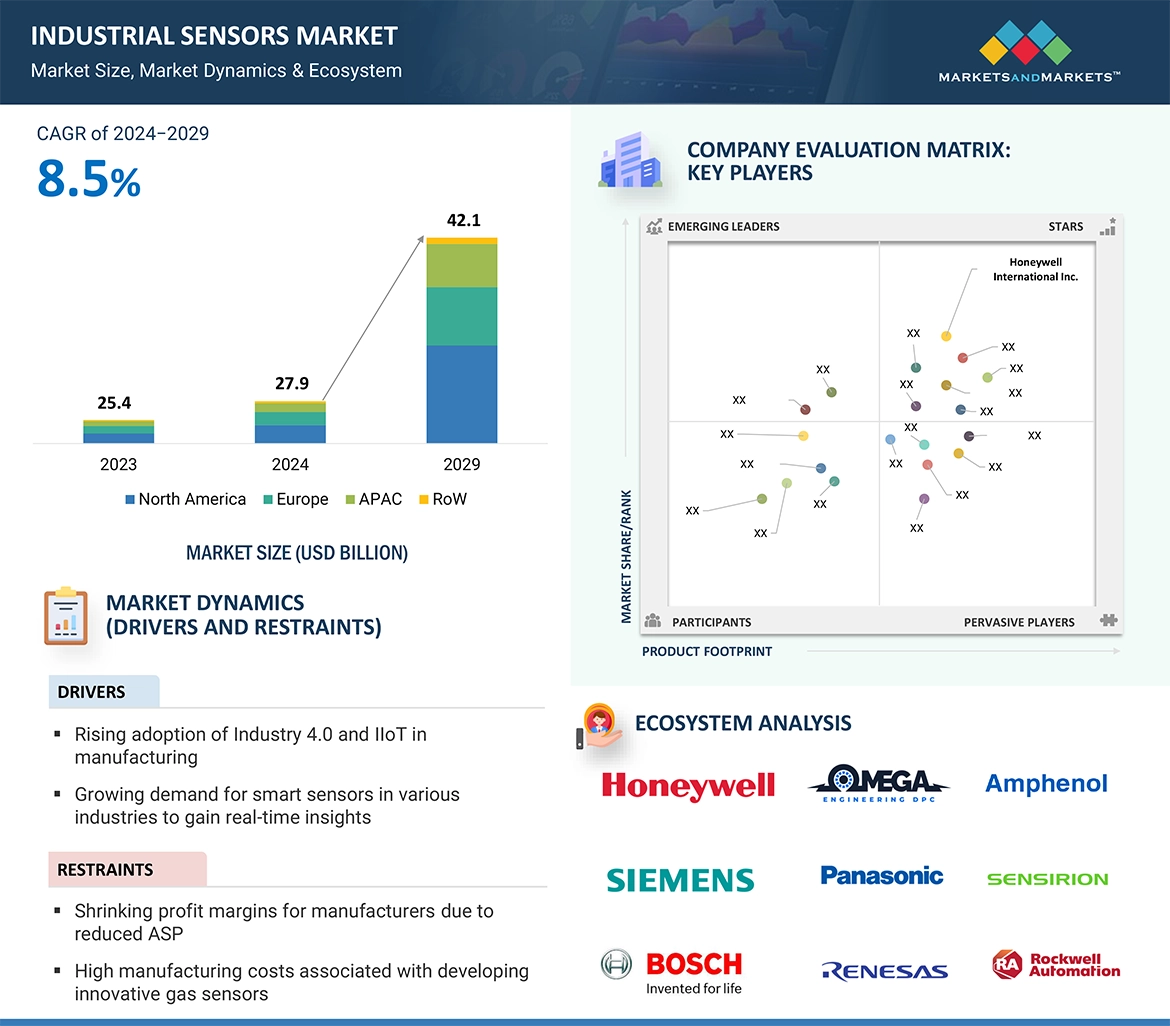
The Industrial Sensors Market is evolving rapidly as industries increasingly prioritize integration and interoperability within modern industrial automation systems. As manufacturing facilities, energy plants, logistics networks, and process industries adopt smart technologies and connected infrastructure, the ability of industrial sensors to communicate seamlessly with machines, software platforms, and control systems has become critically important. Integration and interoperability trends are reshaping the industrial sensors landscape by enabling more connected, intelligent, and scalable industrial ecosystems. These advancements are expected to play a major role in driving market growth through the coming years as industries accelerate digital transformation and Industry 4.0 adoption.
One of the most significant trends in the industrial sensors market is the growing demand for standardized communication protocols. Industrial environments typically include equipment and automation systems from multiple vendors, making compatibility a major operational challenge. To address this issue, industries are increasingly adopting open communication standards such as OPC UA, Modbus, EtherNet/IP, PROFINET, and MQTT. Industrial sensors designed with interoperability capabilities can seamlessly exchange data with controllers, robotic systems, cloud platforms, and industrial software applications. This standardized connectivity improves operational efficiency and reduces integration complexity across industrial facilities.
Download PDF Brochure @ https://www.marketsandmarkets.com/pdfdownloadNew.asp?id=108042398
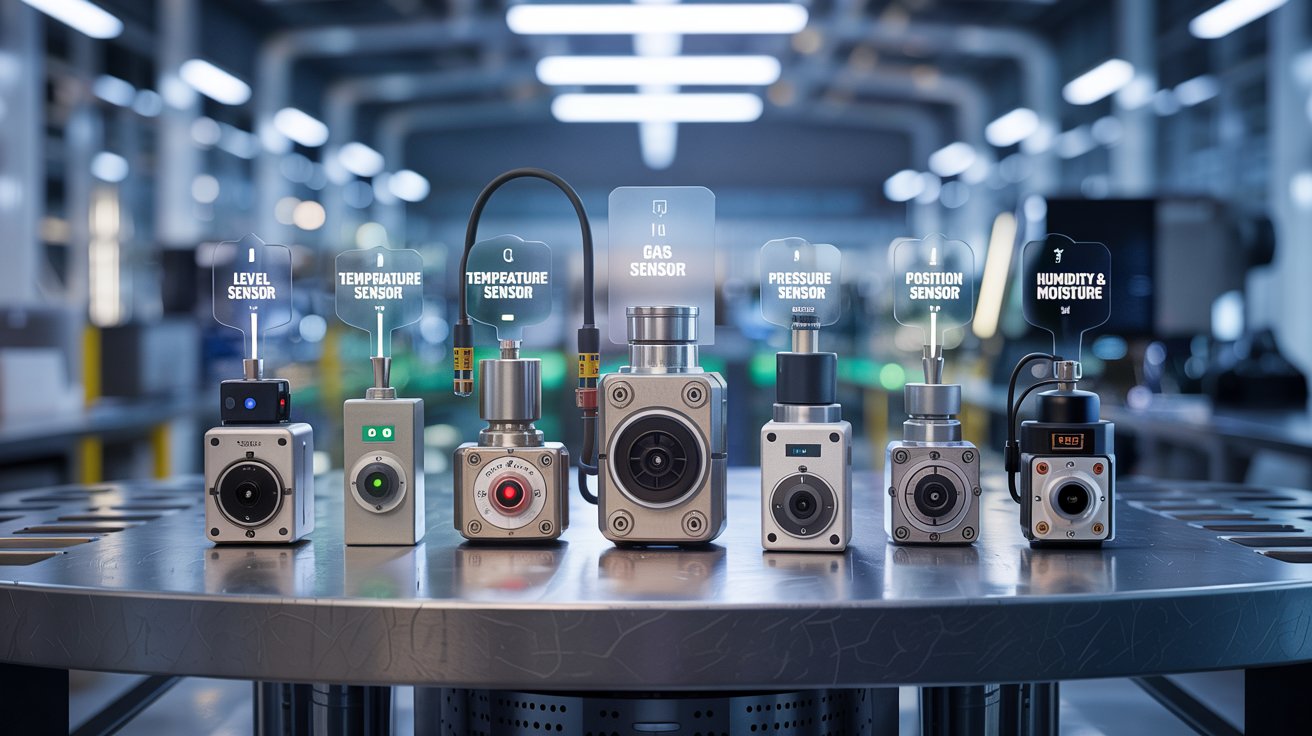
The expansion of Industrial Internet of Things ecosystems is also driving integration-focused sensor innovation. IoT-enabled industrial sensors continuously collect and transmit operational data across connected industrial networks. These sensors must integrate efficiently with cloud computing platforms, edge devices, analytics systems, and industrial automation software to support real-time monitoring and decision-making. As industries continue investing in smart factories and connected infrastructure, demand for interoperable sensing technologies capable of supporting multi-platform communication is expected to increase significantly.
Cloud computing and edge computing integration are becoming increasingly important in industrial sensor systems. Modern industrial operations generate massive amounts of data through sensors embedded across machines, production lines, warehouses, and infrastructure systems. Interoperable sensor technologies allow data to move seamlessly between local edge devices and centralized cloud platforms. Edge computing supports low-latency processing and real-time analytics, while cloud systems provide large-scale data storage and advanced operational insights. The ability of industrial sensors to integrate across these computing environments is becoming essential for intelligent industrial automation.
Artificial intelligence and advanced analytics platforms are further increasing the importance of interoperability in industrial sensor networks. AI-driven systems rely on accurate and continuous data streams from multiple sensor types to support predictive maintenance, quality control, and autonomous operations. Interoperable industrial sensors enable AI platforms to aggregate and analyze data from diverse industrial environments. This unified data flow improves operational visibility and allows industries to make more informed decisions. As AI adoption grows across industrial sectors, demand for integrated sensing systems is expected to rise steadily.
Inquiry Before Buying @ https://www.marketsandmarkets.com/Enquiry_Before_BuyingNew.asp?id=108042398
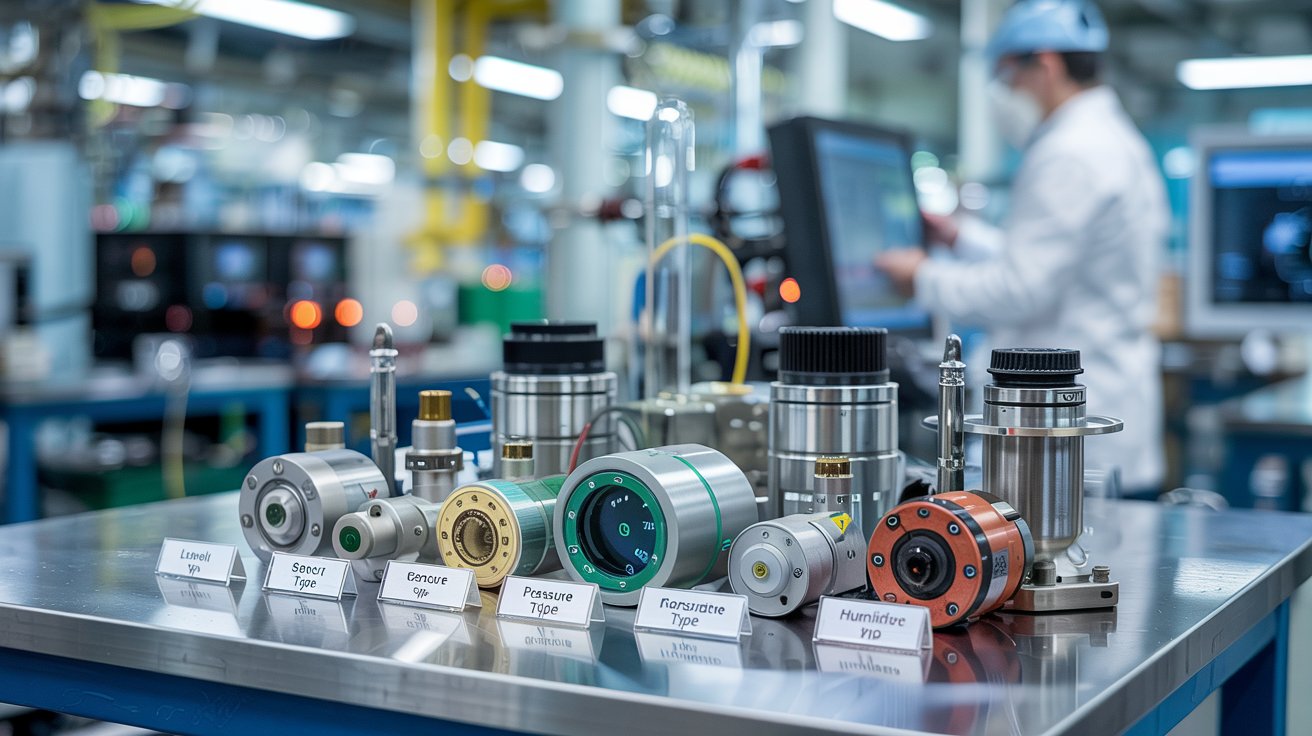
Another key trend shaping the market is the increasing use of modular and scalable automation systems. Modern industrial facilities require flexible automation infrastructure capable of adapting to changing production requirements and business demands. Interoperable industrial sensors support modular system architectures by enabling seamless connectivity between new and existing equipment. Manufacturers can expand or reconfigure operations more efficiently when sensor systems are designed to integrate easily across multiple platforms and industrial protocols. This flexibility is especially valuable in industries such as automotive manufacturing, electronics, and logistics where production environments evolve rapidly.
Wireless sensor integration is also becoming a major focus area in industrial automation. Traditional wired sensor systems often limit scalability and require extensive installation efforts. Wireless industrial sensors offer greater deployment flexibility and simplify integration across large facilities and remote environments. Technologies such as 5G, Wi-Fi 6, Bluetooth Low Energy, Zigbee, and LPWAN are enabling faster and more reliable communication between industrial devices. Interoperable wireless sensor systems support real-time industrial monitoring and connected operations while reducing infrastructure complexity.
The growth of smart robotics and autonomous systems is further accelerating demand for integrated industrial sensing technologies. Robotic systems require seamless communication between motion sensors, machine vision systems, force sensors, and centralized controllers to operate efficiently and safely. Interoperability enables robots to coordinate actions with other machines and automation systems in real time. Advanced sensor integration supports collaborative robotics, automated guided vehicles, and autonomous mobile robots in manufacturing and warehousing environments.
Industrial cybersecurity is becoming increasingly important as sensor networks become more interconnected. Connected industrial infrastructure creates new cybersecurity risks related to unauthorized access, data breaches, and operational disruptions. Interoperable industrial sensors must support secure communication protocols and encryption standards to protect industrial operations. Sensor manufacturers are increasingly integrating cybersecurity features directly into sensing platforms to ensure secure data exchange across industrial networks. Secure interoperability is expected to become a critical competitive factor in the industrial sensors market.
View detailed Table of Content here – https://www.marketsandmarkets.com/Market-Reports/industrial-sensor-market-108042398.html
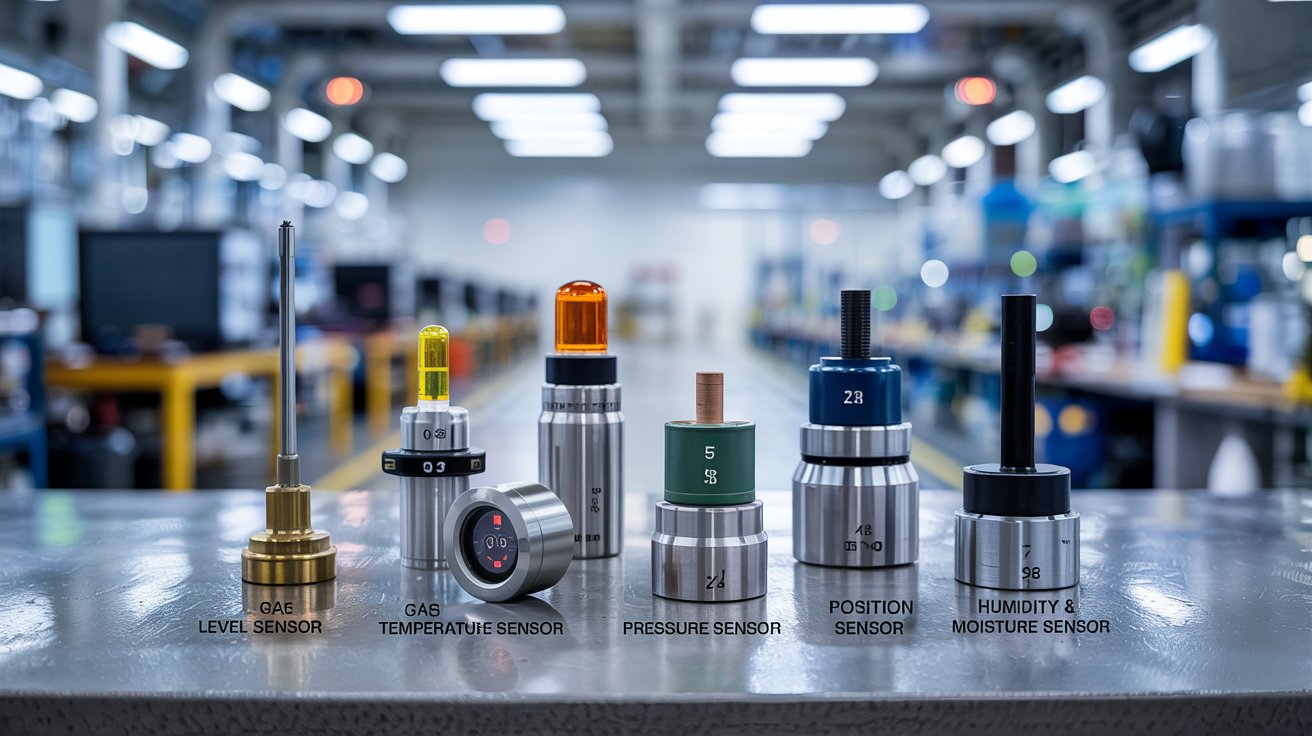
Digital twin technology is also influencing integration and interoperability trends. Digital twins create virtual representations of industrial systems using real-time data collected from sensors and connected devices. Interoperable sensor systems enable digital twin platforms to gather and synchronize information from multiple industrial assets and environments. This capability improves predictive analytics, operational simulation, and process optimization. As digital twin adoption expands across industrial sectors, the importance of integrated industrial sensor ecosystems will continue to grow.
The automotive, oil and gas, energy, pharmaceutical, and logistics industries are among the leading adopters of interoperable industrial sensor systems. These industries require highly connected operations where machines, robots, sensors, and software platforms must communicate seamlessly to maintain efficiency and safety. The increasing complexity of industrial automation environments is driving investments in sensors capable of supporting unified and scalable industrial architectures.
Despite the strong market outlook, challenges such as legacy system integration, lack of universal standards, and implementation complexity remain. Many industrial facilities continue operating older infrastructure that may not support modern interoperability requirements. However, advancements in industrial middleware, gateway technologies, and open-standard communication protocols are helping industries bridge compatibility gaps and modernize operations more effectively.
In conclusion, integration and interoperability trends are playing a transformative role in shaping the future outlook of the industrial sensors market. The growing adoption of IoT, AI, cloud computing, edge analytics, robotics, and smart manufacturing systems is increasing demand for industrial sensors capable of seamless communication and unified data exchange. Interoperable sensing technologies are enabling more connected, scalable, and intelligent industrial ecosystems across multiple industries. As digital transformation continues accelerating worldwide, integration-focused industrial sensor solutions will remain essential for supporting next-generation automation and industrial innovation.