
The biosensors market is entering a new phase of rapid transformation, driven by advancements in biotechnology, artificial intelligence (AI), and miniaturized electronics. Next-generation biosensors are becoming essential tools in modern healthcare, environmental monitoring, food safety, and biotechnology research. Among the most important developments shaping the industry are trends focused on improving accuracy and enabling real-time analysis.
As healthcare systems shift toward preventive and personalized medicine, the demand for highly sensitive, fast, and intelligent biosensing solutions is accelerating. These innovations are redefining how diseases are detected, monitored, and managed.
Rising Demand for Real-Time Health Monitoring
One of the most significant drivers of next-gen biosensors market trends is the increasing need for continuous and real-time health monitoring. Traditional diagnostic methods often rely on lab-based testing, which can delay critical decision-making.
Modern biosensors, however, enable instant detection of biological markers such as glucose levels, heart rate variability, pathogens, and hormones. This capability is especially important in managing chronic diseases like diabetes, cardiovascular conditions, and respiratory disorders.
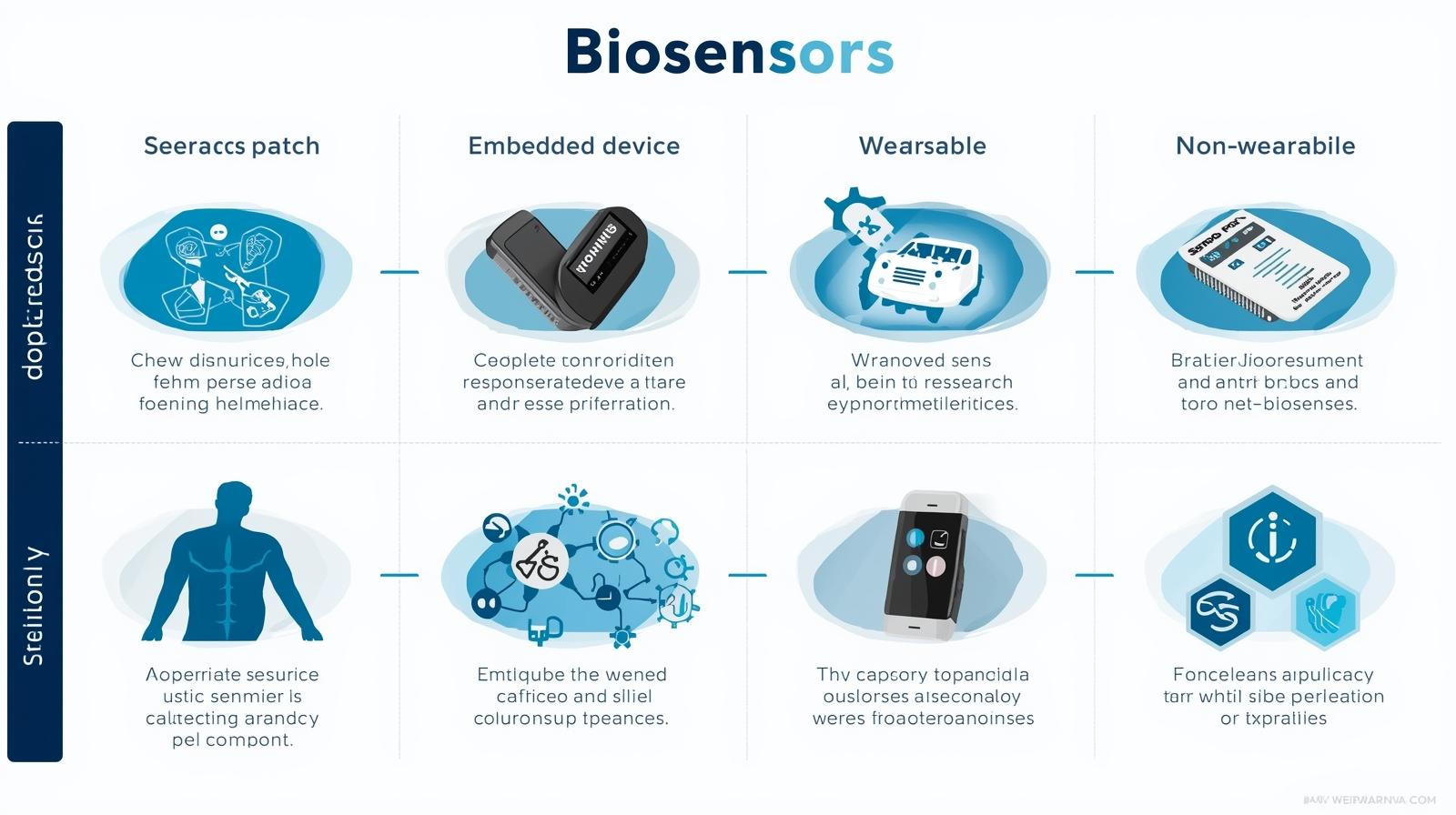
Wearable biosensors integrated into smartwatches, patches, and implantable devices are making real-time health tracking more accessible and accurate than ever before.
Advancements in Sensor Accuracy and Sensitivity
Accuracy is at the core of biosensor innovation. Next-generation biosensors are designed with enhanced sensitivity to detect even the smallest biological changes in the human body or environment.
Nanomaterials such as graphene, carbon nanotubes, and gold nanoparticles are being widely used to improve signal detection and reduce interference. These materials significantly enhance biosensor performance, allowing for early disease detection at molecular levels.
Improved accuracy is also reducing false positives and false negatives, which is critical for clinical diagnostics and medical decision-making.
Download PDF Brochure @ https://www.marketsandmarkets.com/pdfdownloadNew.asp?id=798
Integration of Artificial Intelligence in Biosensors
Artificial intelligence is playing a transformative role in enhancing biosensor capabilities. AI-powered biosensors can analyze complex biological data in real time, identify patterns, and generate actionable insights.
Machine learning algorithms help improve diagnostic accuracy by continuously learning from new datasets. This is particularly useful in identifying early-stage diseases that may not show obvious symptoms.
AI integration also enables predictive healthcare, where biosensors can forecast potential health risks before they become severe, improving patient outcomes and reducing healthcare costs.
Expansion of Wearable and Implantable Biosensors
Wearable and implantable biosensors are among the fastest-growing segments in the market. These devices allow continuous monitoring of physiological parameters without the need for hospital visits.
Wearable biosensors are widely used in fitness tracking, stress monitoring, and chronic disease management. Meanwhile, implantable biosensors provide long-term monitoring for conditions such as cardiac arrhythmias and glucose regulation.
The combination of miniaturization and wireless connectivity is making these devices more comfortable, efficient, and widely adopted.
Growth of Point-of-Care Diagnostics
Point-of-care (POC) testing is another major trend driving the biosensors market. POC biosensors enable rapid diagnostic testing at the patient’s location, eliminating the need for centralized laboratories.
This trend is particularly important in emergency care, rural healthcare systems, and infectious disease management. During global health crises, POC biosensors have proven essential for fast and accurate disease detection.
The ability to deliver immediate results is improving treatment speed and enhancing overall healthcare efficiency.
Role of Biosensors in Personalized Medicine
Personalized medicine is becoming a major focus in modern healthcare, and biosensors are at the center of this transformation. By continuously monitoring individual health data, biosensors enable customized treatment plans based on real-time physiological information.
This approach improves treatment effectiveness and reduces adverse reactions to medications. As healthcare systems adopt precision medicine strategies, demand for advanced biosensors is expected to grow significantly.
Applications Beyond Healthcare
While healthcare remains the dominant application area, biosensors are also expanding into other industries:
- Environmental monitoring: Detection of pollutants, toxins, and air quality changes
- Food safety: Identification of contamination and spoilage in food products
- Agriculture: Soil health monitoring and crop disease detection
- Defense and security: Detection of biological threats and hazardous substances
These diverse applications highlight the growing importance of biosensors in ensuring safety, sustainability, and operational efficiency.
Challenges in the Biosensors Market
Despite strong growth, the biosensors market faces several challenges. High development costs, complex manufacturing processes, and regulatory approvals can slow down commercialization.
Data privacy concerns, especially in wearable and connected devices, also remain a critical issue. Additionally, ensuring long-term stability and accuracy of biosensors in real-world conditions continues to be a technical challenge.
However, ongoing research in nanotechnology, biotechnology, and AI is helping address these limitations.
Future Outlook of the Biosensors Market
The future of the biosensors market looks highly promising, driven by continuous innovation in AI, nanotechnology, and wearable electronics. As healthcare shifts toward preventive and personalized models, biosensors will play an increasingly central role in medical diagnostics and patient monitoring.
Next-generation biosensors will become smaller, smarter, and more connected, enabling seamless real-time analysis across multiple applications. With growing investments and technological advancements, the biosensors market is expected to experience strong and sustained growth in the coming years.
Ultimately, biosensors are evolving into intelligent diagnostic systems that will redefine how health and biological data are captured, analyzed, and used in everyday life.
FAQs
1. What are biosensors used for?
Biosensors are used to detect biological or chemical substances and are widely applied in healthcare diagnostics, environmental monitoring, food safety, and biotechnology research.
2. Why is real-time analysis important in biosensors?
Real-time analysis enables immediate detection of health conditions or environmental changes, allowing faster decision-making and improving outcomes in critical situations.
3. How do next-generation biosensors improve accuracy?
Next-gen biosensors use advanced materials like nanomaterials, along with AI and machine learning, to enhance sensitivity, reduce errors, and deliver more precise results.
4. What role does AI play in biosensors?
AI helps biosensors analyze complex biological data, identify patterns, improve diagnostic accuracy, and enable predictive healthcare insights.
5. What is the future of the biosensors market?
The biosensors market is expected to grow significantly with advancements in wearable technology, AI integration, point-of-care diagnostics, and personalized medicine.