
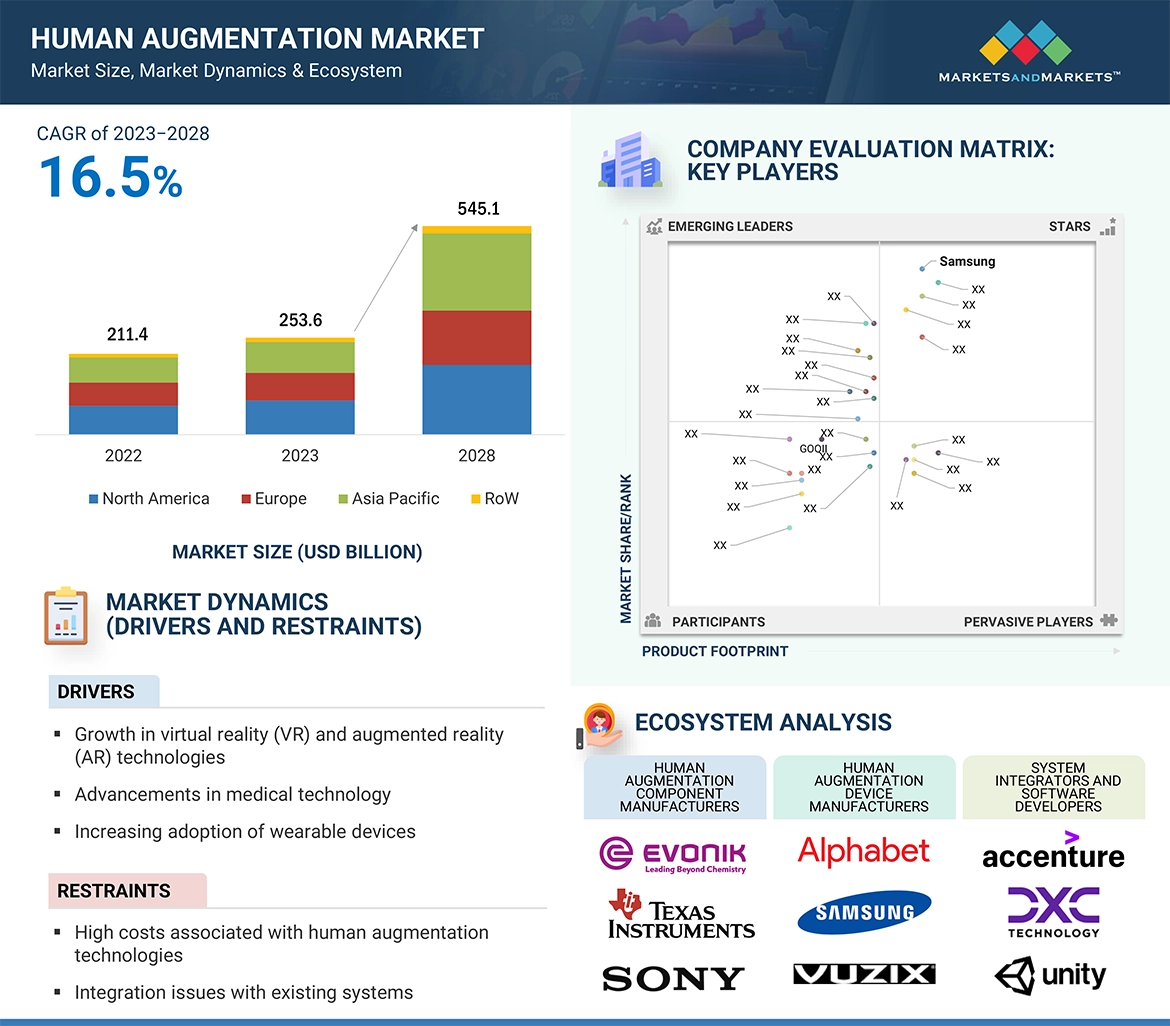
The Human Augmentation Market is experiencing substantial growth as smart exoskeleton technologies continue transforming healthcare, industrial operations, defense systems, logistics, and rehabilitation applications worldwide. Human augmentation involves technologies that enhance physical, cognitive, and sensory capabilities through artificial intelligence, robotics, wearable systems, and connected digital ecosystems. Smart exoskeletons are wearable robotic systems designed to support or enhance human movement, strength, endurance, and mobility using advanced sensors, AI-powered control systems, actuators, and intelligent software platforms. These technologies are emerging as one of the most influential innovation segments within the human augmentation market due to their ability to improve worker productivity, reduce physical strain, support rehabilitation, and enhance operational performance across multiple industries.
One of the major trends driving smart exoskeleton adoption is the increasing demand for workplace safety and ergonomic support across industrial sectors. Manufacturing facilities, warehouses, construction sites, mining operations, and logistics centers are deploying wearable robotic systems to reduce worker fatigue and minimize the risk of musculoskeletal injuries. Industrial exoskeletons assist workers in lifting heavy materials, maintaining proper posture, and performing repetitive physical tasks more efficiently. Companies are increasingly recognizing the importance of workforce well-being and operational safety, leading to growing investments in intelligent augmentation systems that improve employee health while enhancing productivity.
Download PDF Brochure @ https://www.marketsandmarkets.com/pdfdownloadNew.asp?id=177215310
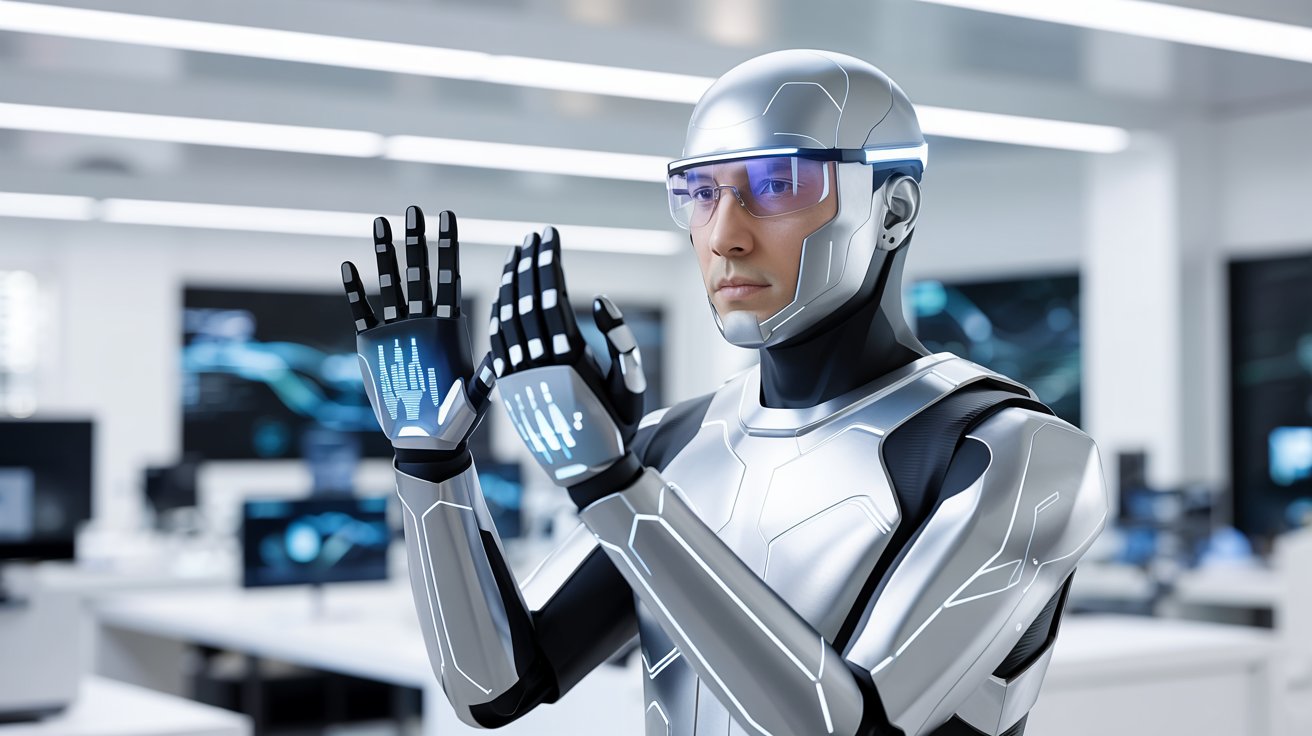
Artificial intelligence integration is becoming a defining trend within smart exoskeleton technologies. AI-powered exoskeleton systems can analyze user movement patterns, monitor muscle activity, and adapt assistance levels in real time based on operational conditions and individual requirements. Machine learning algorithms continuously improve system responsiveness and optimize movement support by learning from user behavior and environmental interactions. These intelligent capabilities allow smart exoskeletons to provide personalized augmentation experiences while improving energy efficiency and operational precision. AI-driven automation is expected to remain central to future innovation in exoskeleton systems.
Healthcare and rehabilitation applications are significantly contributing to the expansion of smart exoskeleton technologies within the human augmentation market. Medical exoskeletons are increasingly used to assist patients recovering from strokes, spinal cord injuries, neurological disorders, and mobility impairments. These robotic systems help patients regain movement capabilities, improve muscle coordination, and support physical therapy exercises through controlled and repetitive motion assistance. Rehabilitation specialists are integrating connected exoskeleton platforms with AI-powered monitoring systems to track patient progress and customize treatment programs more effectively. The growing aging population and rising prevalence of mobility-related health conditions are expected to accelerate demand for medical exoskeleton systems globally.
Military and defense sectors are also emerging as important growth areas for smart exoskeleton technologies. Governments and defense organizations are investing heavily in wearable robotic systems designed to improve soldier endurance, mobility, strength, and operational efficiency in challenging environments. Military exoskeletons can help reduce physical fatigue during long missions, improve load-carrying capacity, and enhance movement performance in difficult terrains. Advanced tactical exoskeletons integrated with biometric monitoring systems, augmented reality displays, and AI-powered communication platforms are expected to become increasingly important as defense modernization programs continue evolving worldwide.
Another major trend influencing the smart exoskeleton market is the integration of IoT and connected digital ecosystems. Modern exoskeleton systems are increasingly connected with wearable sensors, cloud-based analytics platforms, and industrial monitoring systems that enable real-time performance tracking and operational optimization. Connected exoskeleton technologies can transmit movement data, fatigue analysis, ergonomic performance metrics, and equipment diagnostics to centralized platforms for continuous monitoring and predictive maintenance. These connected ecosystems improve system reliability, workforce management, and long-term operational efficiency across industrial and healthcare environments.
Edge computing is also becoming an important technological trend supporting smart exoskeleton innovation. Exoskeleton systems require rapid processing of sensor data and real-time response capabilities to ensure natural movement and operational precision. Edge computing enables local data processing directly on wearable systems, reducing latency and improving real-time performance without relying entirely on cloud infrastructure. This localized processing capability enhances responsiveness, improves user safety, and supports autonomous operation in environments where stable cloud connectivity may not always be available.
Inquiry Before Buying @ https://www.marketsandmarkets.com/Enquiry_Before_BuyingNew.asp?id=177215310
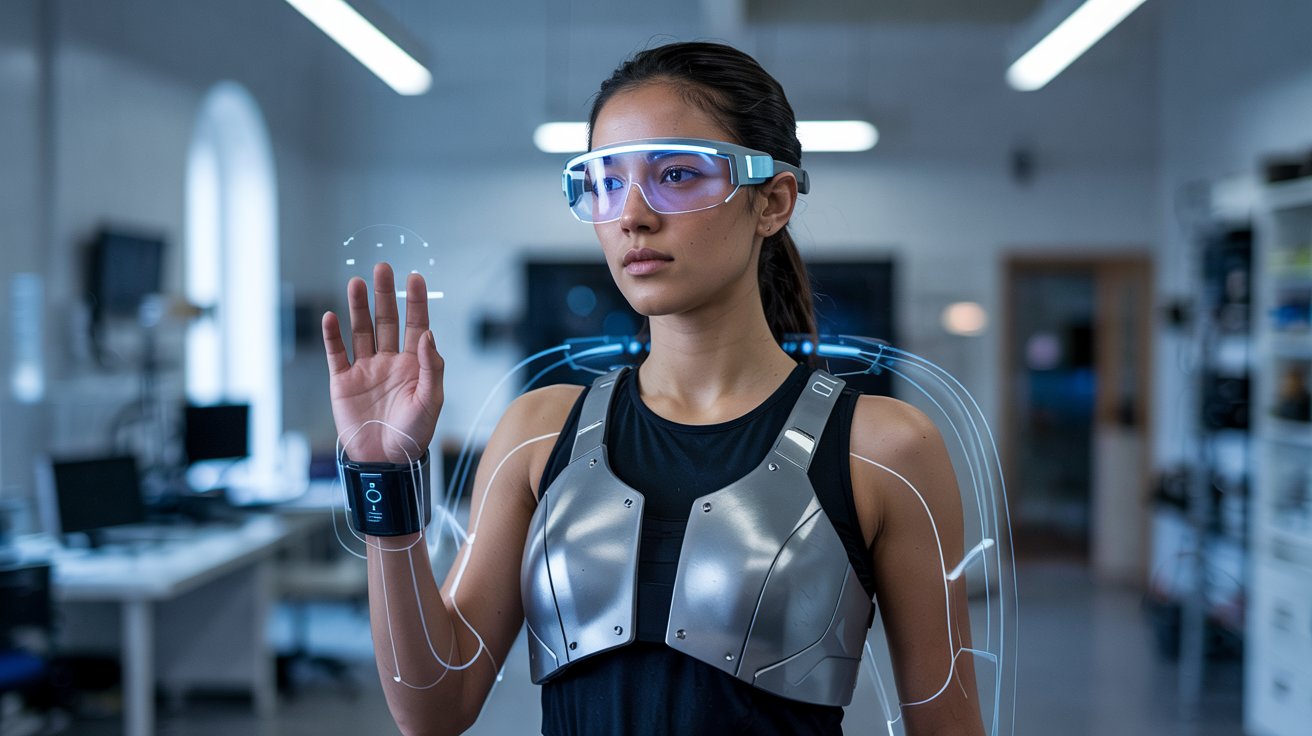
Advancements in lightweight materials and battery technologies are significantly improving the practicality and usability of smart exoskeleton systems. Early exoskeleton designs were often bulky, heavy, and limited by short battery life, restricting large-scale adoption. However, ongoing innovation in advanced composites, lightweight metals, compact actuators, and energy-efficient power systems is enabling manufacturers to develop more comfortable and portable wearable robotic devices. Improved battery performance and energy management systems are extending operational duration while enhancing mobility and user comfort, making exoskeletons more suitable for long-term industrial and medical use.
Sensor fusion technologies are becoming increasingly important in the evolution of smart exoskeleton systems. Advanced biosensors, motion tracking systems, pressure sensors, and environmental monitoring devices work together to improve movement accuracy and adaptive assistance capabilities. Sensor fusion allows exoskeletons to interpret user intentions more effectively while responding dynamically to changing operational conditions. These intelligent sensing capabilities are enhancing the precision and safety of wearable robotic systems across healthcare, defense, and industrial applications.
Collaborative robotics and human-machine interaction trends are also influencing the future development of exoskeleton technologies. Smart exoskeletons are increasingly designed to function seamlessly alongside automated industrial systems, collaborative robots, and AI-driven operational platforms. Human augmentation technologies are helping bridge the gap between workforce capabilities and industrial automation by improving human efficiency while preserving flexibility and decision-making abilities. Industries pursuing smart factory and Industry 4.0 transformation strategies are expected to continue investing in collaborative augmentation systems through the coming years.
The logistics and warehousing industry is emerging as a strong growth segment for exoskeleton technologies due to increasing labor demands and operational complexity. Workers in logistics centers often perform repetitive lifting, carrying, and movement-intensive tasks that can lead to physical strain and injuries. Smart exoskeletons improve worker endurance and reduce ergonomic stress while supporting higher operational productivity. As e-commerce expansion continues increasing pressure on global supply chains, logistics companies are expected to accelerate adoption of wearable robotic augmentation systems.
Regional trends indicate strong global demand for smart exoskeleton technologies. North America remains a leading market due to advanced industrial automation infrastructure, strong healthcare investments, military modernization programs, and rapid adoption of AI-driven technologies. Europe is focusing heavily on worker safety, healthcare rehabilitation, and smart manufacturing supported by favorable regulatory frameworks and innovation initiatives. Asia-Pacific is emerging as the fastest-growing regional market due to expanding industrial activities, rising healthcare expenditures, growing aging populations, and increasing investments in robotics and automation technologies across China, Japan, South Korea, and India.
View detailed Table of Content here – https://www.marketsandmarkets.com/Market-Reports/human-augmentation-market-177215310.html
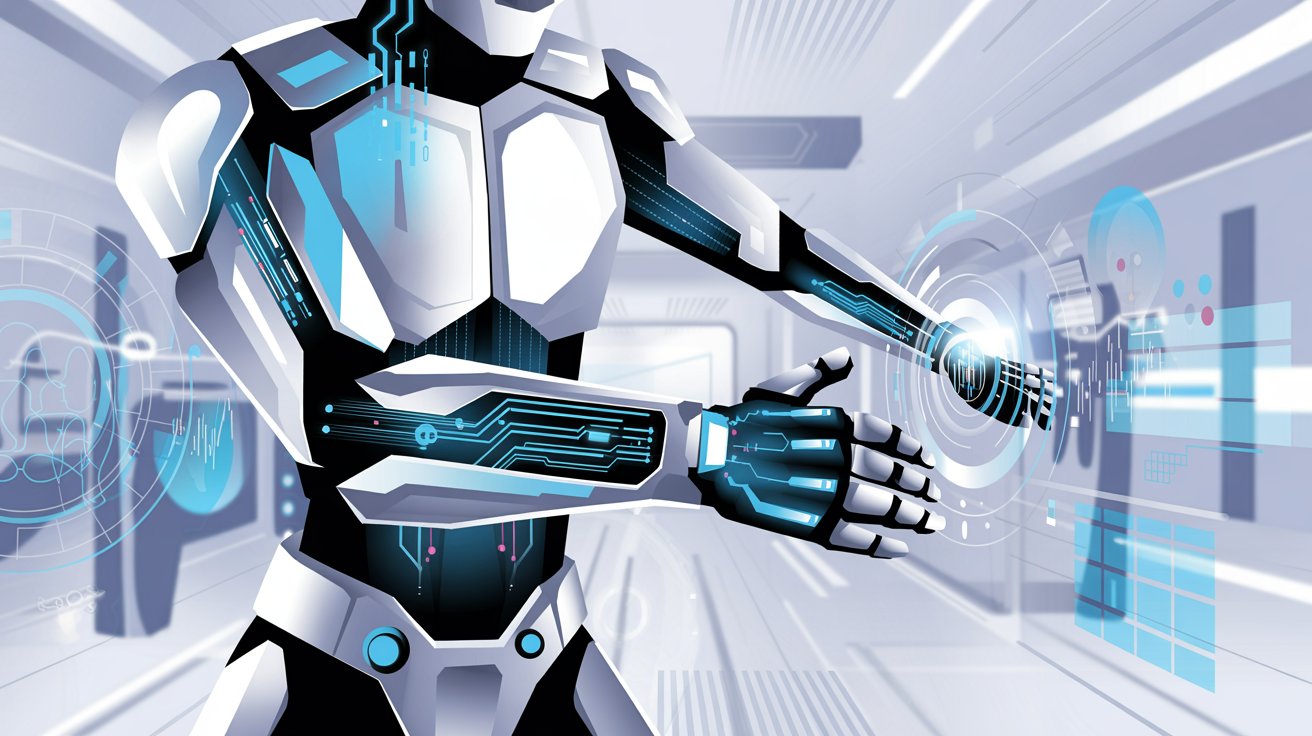
Research and development investments continue driving rapid innovation within the smart exoskeleton market. Companies are developing AI-powered motion control systems, neural interface integration, adaptive robotics platforms, lightweight wearable structures, and cloud-connected analytics systems to improve augmentation capabilities. Strategic collaborations between robotics companies, healthcare providers, industrial automation firms, and research institutions are accelerating commercialization and ecosystem integration globally.
Cybersecurity and data privacy are becoming important considerations as exoskeleton systems become more connected and data-driven. Intelligent exoskeletons collect sensitive biometric and movement-related information that requires secure communication protocols and encrypted data management systems. Organizations are prioritizing cybersecurity frameworks to ensure safe operation and regulatory compliance within connected augmentation ecosystems.
The future outlook for smart exoskeleton technologies within the human augmentation market remains highly promising as industries increasingly seek intelligent solutions for workforce enhancement, rehabilitation support, and operational optimization. Advances in artificial intelligence, robotics, edge computing, sensor technologies, and connected ecosystems are expected to create more adaptive, efficient, and scalable exoskeleton systems by the end of the decade.
Smart exoskeleton technologies are becoming one of the most transformative segments within the human augmentation market by improving mobility, strength, safety, and operational efficiency across healthcare, industrial, defense, and logistics sectors. Innovations in AI-powered control systems, connected ecosystems, lightweight materials, and robotic engineering are driving widespread adoption and expanding application possibilities worldwide. As digital transformation and intelligent automation continue accelerating globally, smart exoskeleton technologies will remain central to the future evolution of human augmentation systems and advanced workforce solutions.