
The global industrial landscape is undergoing a profound transformation, driven by the adoption of automation, digital technologies, and intelligent control systems. At the heart of this transformation lies the Valve Controller Market, a critical segment that ensures precise regulation of fluid flow across industries such as oil & gas, water treatment, power generation, and manufacturing. As smart industrial systems gain momentum worldwide, the Valve Controller Market is poised for sustained growth through 2035.
Rising Importance of Valve Controllers in Modern Industry
Valve controllers play a vital role in industrial operations by regulating the position, pressure, and flow of fluids within pipelines and processing systems. These devices ensure operational efficiency, safety, and process accuracy. Traditionally, valve controllers were largely mechanical or manually operated, but the modern industrial environment demands higher precision, real-time monitoring, and automation.
With the rise of Industry 4.0, valve controllers are evolving into intelligent systems integrated with sensors, communication modules, and advanced software. This transformation is enabling industries to move from reactive to predictive operations, significantly improving performance and reducing downtime.
Market Growth Outlook to 2035
The global Valve Controller Market is expected to witness strong growth over the forecast period, driven by increasing industrial automation and infrastructure development. The market is projected to expand at a steady CAGR through 2035, supported by growing investments in smart manufacturing and digital process control.
Emerging economies are playing a key role in this expansion, as rapid industrialization and urbanization drive demand for efficient fluid control systems. Additionally, developed regions are upgrading legacy infrastructure with advanced automation technologies, further boosting market growth.
Download PDF Brochure @ https://www.marketsandmarkets.com/pdfdownloadNew.asp?id=256969578
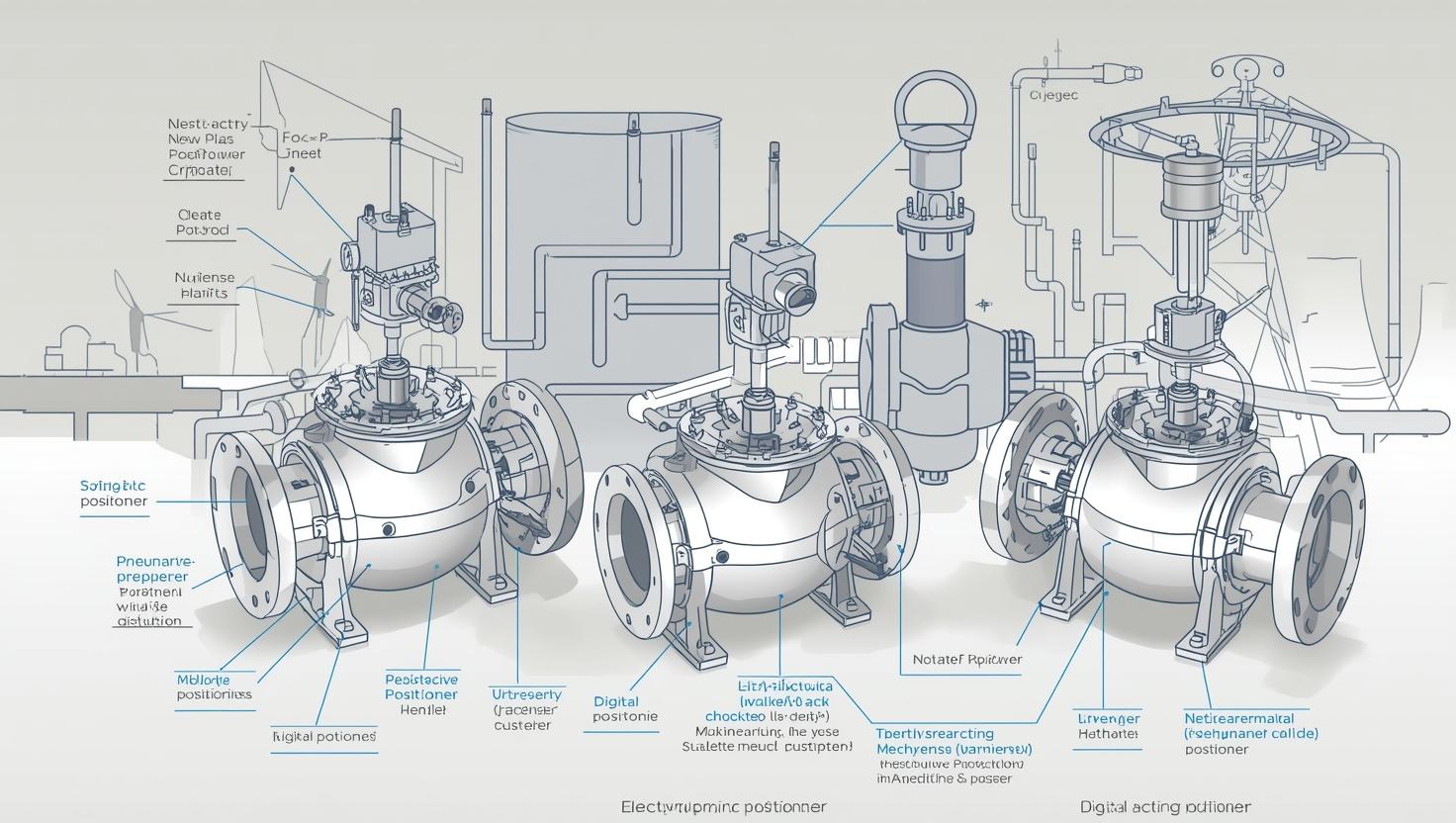
Smart Industrial Systems Driving Demand
One of the most significant drivers of the Valve Controller Market is the rapid adoption of smart industrial systems. These systems integrate advanced technologies such as artificial intelligence (AI), the Internet of Things (IoT), and cloud computing to create connected, data-driven environments.
In this context, valve controllers are no longer standalone devices. They are part of a larger ecosystem that includes sensors, actuators, and centralized control platforms. IoT-enabled valve controllers can transmit real-time data on flow rates, pressure levels, and operational status, allowing operators to monitor and control processes remotely.
AI-powered analytics further enhance these capabilities by identifying patterns, predicting failures, and optimizing system performance. This level of intelligence is particularly valuable in industries where precision and reliability are critical, such as chemical processing and energy production.
Technological Advancements Shaping the Market
Innovation is a key factor shaping the future of the Valve Controller Market. Manufacturers are focusing on developing advanced controllers that offer improved accuracy, reliability, and connectivity.
One of the major advancements is the adoption of wireless valve controllers, which eliminate the need for complex wiring and enable flexible deployment across industrial environments. These systems are particularly beneficial in remote or hazardous locations where traditional wiring is impractical.
Another important trend is the integration of cloud-based platforms that provide centralized monitoring and control. These platforms allow operators to access real-time data, perform diagnostics, and manage multiple systems from a single interface.
Additionally, the development of smart actuators with built-in controllers is simplifying system architecture and improving overall efficiency. These integrated solutions reduce installation time and maintenance costs while enhancing performance.
Industry Applications and Expanding Use Cases
The Valve Controller Market serves a wide range of industries, each with unique requirements and growth dynamics. The oil & gas sector remains a major contributor, driven by the need for precise flow control in exploration, production, and refining processes.
In the water and wastewater treatment industry, valve controllers are essential for managing fluid distribution and ensuring regulatory compliance. The growing focus on sustainable water management is driving demand for advanced control systems in this sector.
The power generation industry is also a key application area, where valve controllers are used to regulate steam and cooling systems. With the increasing adoption of renewable energy sources, there is a growing need for efficient and adaptable control systems.
Manufacturing industries are leveraging valve controllers to enhance process automation and improve production efficiency. The integration of these systems with industrial automation platforms is enabling seamless operations and real-time decision-making.
Regional Market Dynamics
The Valve Controller Market is expanding across all major regions, with North America and Europe leading in terms of technological adoption and infrastructure development. These regions benefit from strong industrial bases and early adoption of smart manufacturing technologies.
Asia-Pacific is expected to be the fastest-growing region, driven by rapid industrialization, urban development, and increasing investments in infrastructure. Countries such as China and India are witnessing significant growth in manufacturing and energy sectors, creating strong demand for valve controllers.
The Middle East and Africa are also emerging as important markets, particularly in the oil & gas sector. Meanwhile, Latin America is gradually adopting advanced industrial technologies, contributing to steady market growth.
Challenges and Opportunities
Despite the positive outlook, the Valve Controller Market faces certain challenges. High initial investment costs, integration complexities, and cybersecurity concerns are some of the key issues that need to be addressed.
However, these challenges also present opportunities for innovation and growth. Companies that can offer cost-effective, secure, and easy-to-integrate solutions will gain a competitive edge. The development of standardized protocols and open architectures will also play a crucial role in driving market adoption.
Future Outlook
Looking ahead to 2035, the Valve Controller Market is expected to become increasingly intelligent, connected, and autonomous. The integration of AI, IoT, and automation will continue to drive innovation, enabling more efficient and reliable industrial operations.
As industries strive to achieve higher levels of productivity and sustainability, valve controllers will play a central role in optimizing resource utilization and reducing environmental impact. The shift toward smart industrial systems will further accelerate the adoption of advanced valve control technologies.
The Global Valve Controller Market is on a strong growth trajectory, fueled by the rapid evolution of smart industrial systems and digital transformation across industries. As automation, connectivity, and intelligence become the cornerstone of modern industry, valve controllers are evolving into sophisticated tools that enable precise, efficient, and reliable process control.
With significant opportunities across sectors and regions, the market is set to witness sustained expansion through 2035. Companies that embrace innovation and invest in advanced technologies will be well-positioned to capitalize on this dynamic and rapidly evolving market.
FAQs