
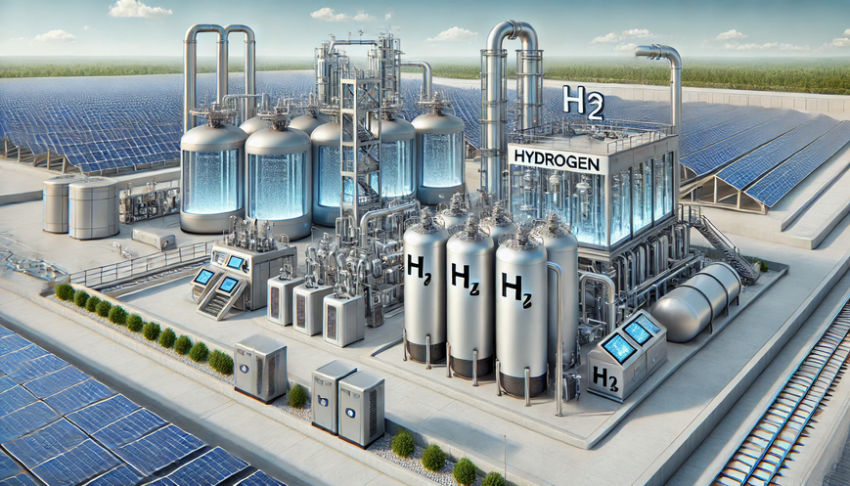
According to the report, titled “Hydrogen Generation Market by Technology (SMR, ATR, POX, Coal Gasification, Electrolysis), Application (Refinery, Ammonia, Methanol, Transportation, Power Generation), Source (Blue, Green, Gray), Generation & Delivery Mode, Region – Global Forecast to 2030,” published by MarketsandMarkets, the global hydrogen generation market size is projected to grow from USD 157.81 billion in 2025 to USD 226.37 billion by 2030, registering a CAGR of 7.5% during the forecast period. This hydrogen generation forecast reflects strong and sustained momentum across energy, industrial, and transportation sectors worldwide.
The hydrogen generation market is experiencing rapid transformation as governments and industries face intensifying pressure to decarbonize energy systems, reduce greenhouse gas emissions, and transition to cleaner fuel alternatives. The rising deployment of hydrogen infrastructure, advances in electrolysis technology, and expanding adoption of hydrogen in refining, chemicals, and mobility sectors are accelerating investments in hydrogen production, positively influencing overall hydrogen generation growth. These developments are enabling large-scale production, better energy integration, and compliance with evolving environmental regulations.
Electrolysis-based green hydrogen, combined with robust policy frameworks and growing investment in low-carbon fuels, is shaping transformative hydrogen generation trends. Furthermore, the shift toward industrial decarbonization — encompassing steel, cement, fertilizers, and heavy-duty transport — is increasing the demand for scalable and reliable hydrogen supply solutions. Regional expansion across Asia Pacific, North America, and Europe continues to strengthen the overall hydrogen generation outlook, with Asia Pacific emerging as the dominant market and fastest-growing innovation hub.
Download PDF Brochure @ https://www.marketsandmarkets.com/pdfdownloadNew.asp?id=494
By Technology: Steam Methane Reforming (SMR) to Hold the Largest Share, While Electrolysis Gains Ground Driven by the Push for Clean Hydrogen
Within the hydrogen generation analysis, Steam Methane Reforming (SMR) accounts for the largest market revenue share. This dominance is driven by SMR’s cost-effectiveness, well-established infrastructure, and proven capacity to produce hydrogen at industrial scale. SMR is widely deployed in petroleum refinery, chemical, and fertilizer manufacturing due to its reliability and seamless integration with existing natural gas infrastructure, reinforcing hydrogen generation growth in these key sectors.
Advances in carbon capture and storage (CCS) are enhancing the environmental performance of SMR, supporting its continued role in the hydrogen mix as blue hydrogen. At the same time, the electrolysis segment — encompassing alkaline, proton-exchange membrane (PEM), solid oxide, and anion-exchange membrane technologies — is gaining momentum, driven by falling renewable energy costs and a global emphasis on increasing energy efficiency in the hydrogen generation process. As decarbonization imperatives intensify, electrolysis-based green hydrogen is poised to deliver the highest CAGR across technologies, gradually expanding the hydrogen generation market share of clean production methods.
By Source: Green Hydrogen to Record Highest CAGR, Fueled by Net-Zero Goals and Supportive Policy Frameworks Worldwide
The green hydrogen segment is anticipated to achieve the highest compound annual growth rate (CAGR) in the hydrogen generation market throughout the forecast period. This growth is propelled by the global shift toward carbon neutrality and the urgent necessity to decarbonize hard-to-abate sectors. Supportive policy frameworks — including tax incentives, subsidies, and national hydrogen strategies — are accelerating project development and commercialization, contributing directly to hydrogen generation size expansion.
Countries such as India, which adopted a Green Hydrogen Policy targeting 5 million tonnes per year by 2030, and China, with a long-term hydrogen development plan covering 2021–2035, exemplify the scale of global commitment. The IEA reports that global investment in clean energy surpassed USD 1.7 trillion in 2023, offering major opportunities for hydrogen as a clean fuel. Gray hydrogen continues to hold the largest market share by source in the near term due to established production pathways, while blue hydrogen serves as a critical bridge, with low-carbon dioxide production benefits supporting the overall hydrogen generation forecast.
By Application: Transportation Segment to Register Highest CAGR, as Hydrogen Fuel Cell Adoption Accelerates Across Diverse Mobility Sectors
The transportation segment is expected to record the highest CAGR in the hydrogen generation market during the forecast period. This growth is primarily fueled by the rising adoption of hydrogen fuel cell technologies across various mobility segments, including passenger vehicles, buses, trucks, trains, marine vessels, and aviation. Hydrogen fuel cells offer unique advantages such as high energy density, quick refueling times, and longer operational ranges compared to battery electric vehicles, making them particularly attractive for heavy-duty and long-distance applications where minimizing downtime is critical.
At the same time, the petroleum refinery segment holds the largest share by application, as hydrogen remains essential for desulfurization and hydrocracking processes. Ammonia production and methanol production segments also represent significant demand drivers, with hydrogen serving as a core feedstock in agricultural and chemical manufacturing, further reinforcing the hydrogen generation outlook across diversified end-use industries.
Request Sample Pages @ https://www.marketsandmarkets.com/requestsampleNew.asp?id=494
By Generation & Delivery Mode: Captive Hydrogen Generation Leads, Backed by Reliability and Cost-Efficiency in Industrial Operations
The captive hydrogen generation segment holds the largest share in the generation and delivery mode category of the hydrogen generation market. Its dominance is attributed to its ability to provide a secure, continuous, and cost-effective hydrogen supply directly on-site, without dependence on external supply chains. This approach is extensively adopted in critical sectors such as oil refining, food production, metals treatment, and fertilizer manufacturing, where process reliability and integration are crucial.
In contrast, the merchant segment — encompassing liquid on-site pipeline delivery, bulk cylinder supply in gaseous form, bulk liquid delivery, and small on-site systems — is expected to exhibit a higher CAGR, as growing demand from emerging applications and energy transition projects drives investments in hydrogen distribution infrastructure. This evolving dynamic between captive and merchant modes reflects the broader maturation of the hydrogen supply chain as part of the global energy transition.
Top Companies in the Hydrogen Generation Market
Key market players profiled in the MarketsandMarkets report include:
- Linde PLC (Ireland)
- Air Liquide (France)
- Saudi Arabian Oil Co. (Saudi Arabia)
- Air Products and Chemicals, Inc. (US)
- Shell plc (UK)
- ENGIE (France)
- Chevron Corporation (US)
- Orsted A/S (Denmark)
- Messer SE & Co. KGaA (Germany)
- Equinor ASA (Norway)
- Uniper SE (Germany)
- ExxonMobil Corporation (US)
- BP p.l.c. (UK)
- Iberdrola, S.A. (Spain)
Major market players have adopted both organic and inorganic strategies, including partnerships, agreements, and joint ventures. Notable recent developments include Uniper SE’s strategic partnership with thyssenkrupp Uhde to develop an ammonia cracker for hydrogen production, JERA Co., Inc.’s collaboration with ExxonMobil to explore large-scale low-carbon hydrogen and ammonia production in Texas, and Saudi Aramco’s agreement with Linde and SLB to develop one of the world’s largest CCS hubs in Jubail, Saudi Arabia.
Make an Inquiry @ https://www.marketsandmarkets.com/Enquiry_Before_BuyingNew.asp?id=494
Asia Pacific to Witness the Highest CAGR During the Forecast Period, Driven by Industrial Growth, National Hydrogen Strategies, and Rising Demand from Refining and Mobility Sectors
Asia Pacific is expected to see the highest CAGR in the hydrogen generation market during the forecast period, driven by rapid industrial growth, urbanization, and strong efforts to decarbonize energy systems. Countries like China, Japan, South Korea, and India are making significant investments in hydrogen production infrastructure to support cleaner industrial processes and reduce reliance on fossil fuels.
Supportive government policies, national hydrogen strategies, and substantial funding for renewable and low-carbon hydrogen projects are reinforcing the hydrogen generation forecast for the region. Japan’s ambitious targets and heavy infrastructure investments, China’s hydrogen development plans tied to its 2060 carbon neutrality goal, South Korea’s aggressive carbon neutrality roadmap, and India’s National Green Hydrogen Mission collectively establish Asia Pacific as the dominant and fastest-growing regional market globally.
Additionally, increasing demand from the refining, chemical, and mobility sectors further solidifies the region’s leadership in the overall hydrogen generation market. The region’s combination of strong institutional support, abundant renewable energy potential, and large-scale industrial deployment positions it as a key driver of global hydrogen generation growth through 2030 and beyond.