
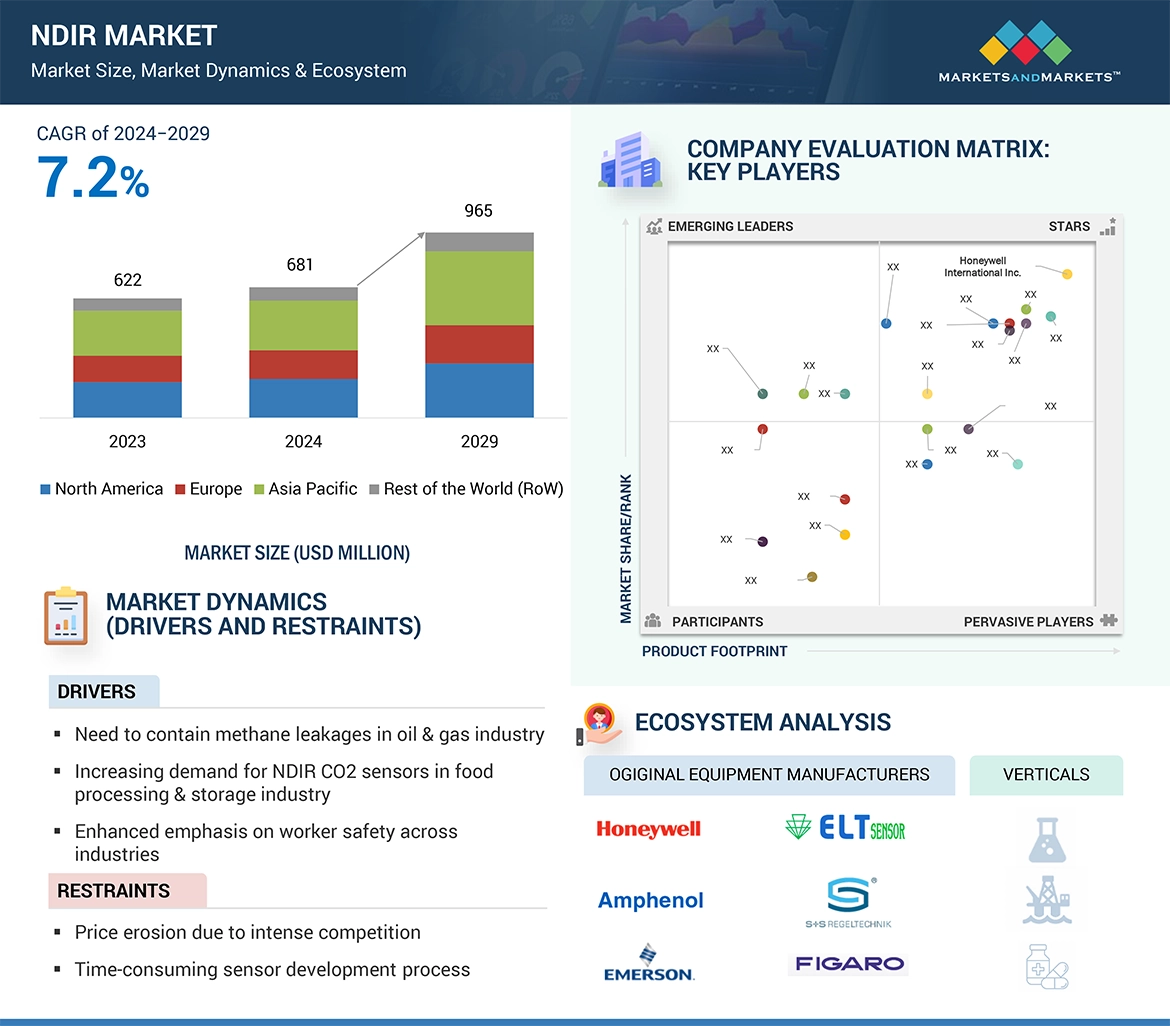
The Non-Dispersive Infrared (NDIR) Market is increasingly shaped by the rise of autonomous monitoring systems, which are transforming how industries detect, analyze, and respond to gas-related data. NDIR technology, widely valued for its precision and long-term stability in detecting gases such as carbon dioxide, methane, and hydrocarbons, is becoming a critical component of self-operating monitoring platforms. As industries move toward automation and reduced human intervention, autonomous systems powered by NDIR sensors are gaining traction across sectors including industrial safety, environmental monitoring, smart infrastructure, and healthcare.
Autonomous monitoring systems rely on continuous data collection and independent decision-making capabilities, making NDIR sensors an ideal fit due to their reliability and minimal calibration requirements. These systems are designed to operate with little to no human oversight, performing tasks such as gas detection, data analysis, and system response in real time. NDIR sensors enable these systems to maintain consistent performance over extended periods, even in challenging environments. This is particularly important in remote or hazardous locations, where manual monitoring is difficult or risky.
Download PDF Brochure @ https://www.marketsandmarkets.com/pdfdownloadNew.asp?id=90187624
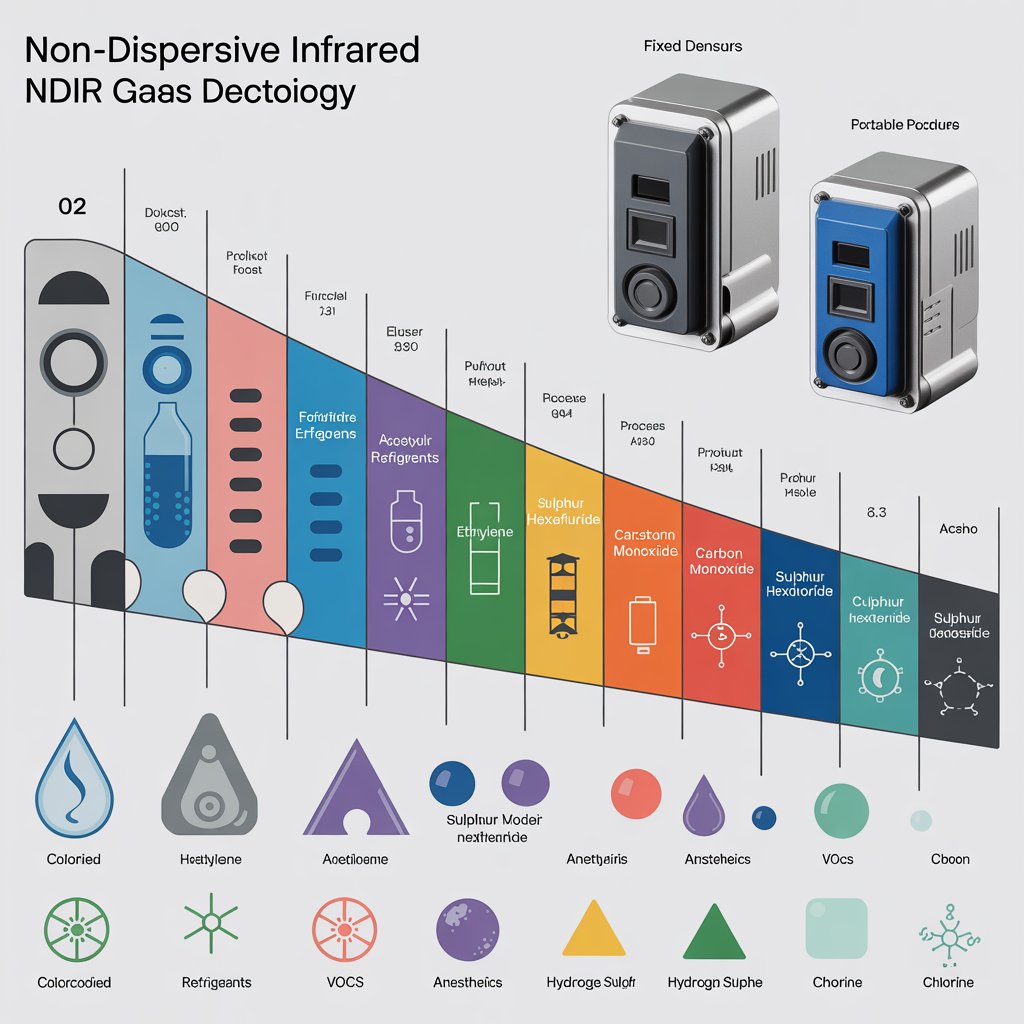
One of the key trends in this space is the integration of NDIR sensors with advanced control algorithms and artificial intelligence. Autonomous systems use AI to interpret sensor data, identify patterns, and make decisions without human input. For instance, in industrial environments, an autonomous gas monitoring system can detect abnormal gas concentrations and automatically trigger alarms, adjust ventilation systems, or initiate shutdown procedures. This level of automation enhances safety and ensures rapid response to potential hazards, significantly reducing the risk of accidents.
The adoption of edge computing is further strengthening the role of NDIR sensors in autonomous monitoring systems. By processing data locally at the sensor level, edge-enabled systems can deliver immediate insights and actions without relying on centralized cloud platforms. This reduces latency and ensures real-time responsiveness, which is critical in safety-sensitive applications. Autonomous systems equipped with edge computing capabilities can operate independently, making them highly effective in remote or infrastructure-limited environments such as offshore platforms, mining sites, and large-scale industrial facilities.
Energy efficiency is another important trend influencing the development of autonomous monitoring systems. Many of these systems are deployed in locations where access to power is limited, requiring low-energy solutions. Advances in NDIR technology, including low-power infrared sources and optimized signal processing, are enabling the creation of energy-efficient sensors that can operate for extended periods on battery power. This is particularly beneficial for wireless sensor networks and portable monitoring devices, where energy conservation is essential for long-term operation.
Inquiry Before Buying @ https://www.marketsandmarkets.com/Enquiry_Before_BuyingNew.asp?id=90187624
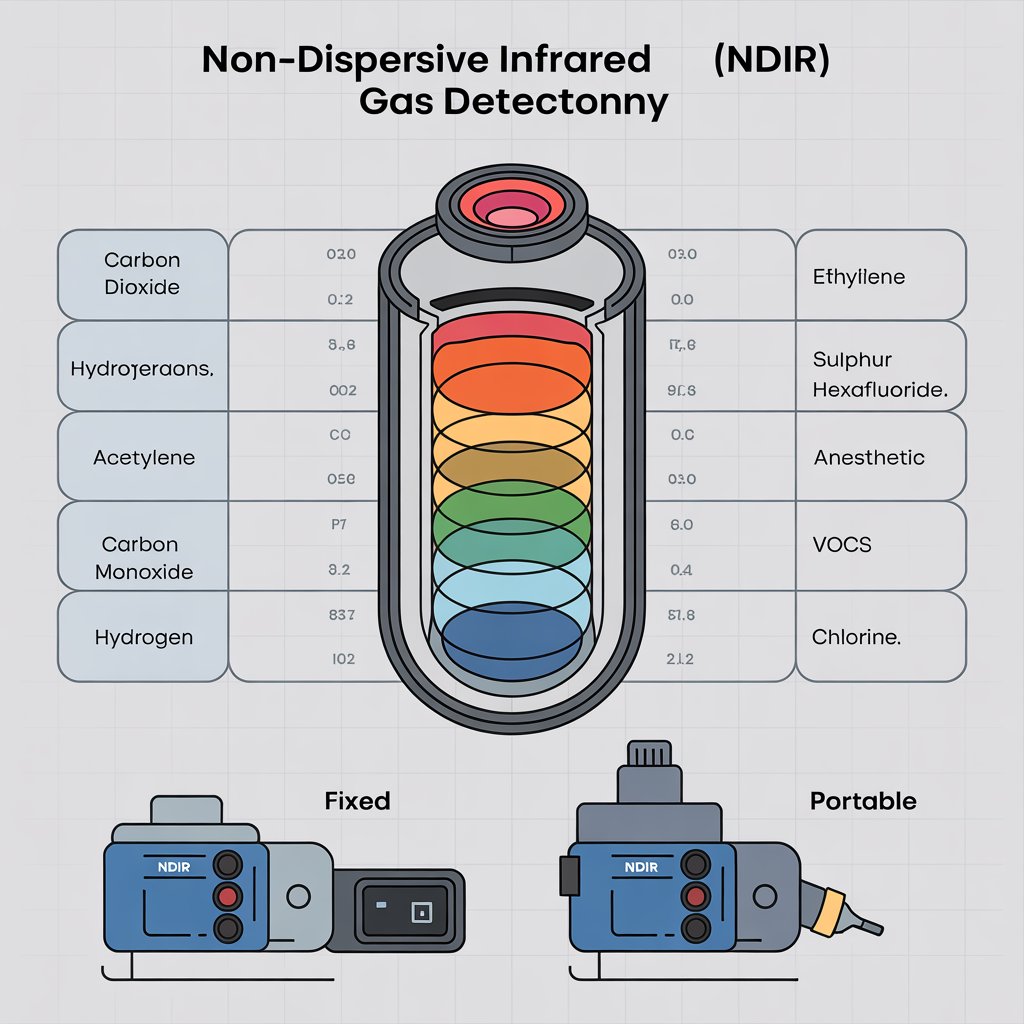
The growth of smart cities and intelligent infrastructure is also driving the adoption of autonomous monitoring systems incorporating NDIR sensors. Urban environments require continuous monitoring of air quality, emissions, and indoor environmental conditions. Autonomous systems equipped with NDIR sensors can track carbon dioxide levels and other gases, providing real-time data to city management platforms. These systems can automatically adjust ventilation in public spaces, optimize traffic flow to reduce emissions, and support environmental compliance initiatives. The ability to operate independently while delivering actionable insights makes NDIR-based autonomous systems a key component of smart city ecosystems.
In the healthcare sector, autonomous monitoring systems are enhancing patient care through continuous and real-time gas monitoring. NDIR sensors are used in medical devices to measure respiratory gases, and when integrated into autonomous systems, they can provide ongoing analysis and alerts without constant supervision. This is particularly valuable in critical care settings, where timely detection of changes in a patient’s condition is essential. Autonomous systems can assist healthcare professionals by providing accurate data and early warnings, improving overall treatment outcomes.
Industrial automation is another area where autonomous NDIR monitoring systems are making a significant impact. Modern manufacturing facilities are increasingly adopting self-regulating systems that monitor and control various process parameters. NDIR sensors play a crucial role in detecting gas levels and ensuring that operations remain within safe and optimal limits. Autonomous systems can adjust process conditions dynamically based on sensor data, improving efficiency and reducing waste. This trend aligns with the broader shift toward Industry 4.0, where intelligent systems drive productivity and innovation.
View detailed Table of Content here – https://www.marketsandmarkets.com/Market-Reports/non-dispersive-infrared-market-90187624.html
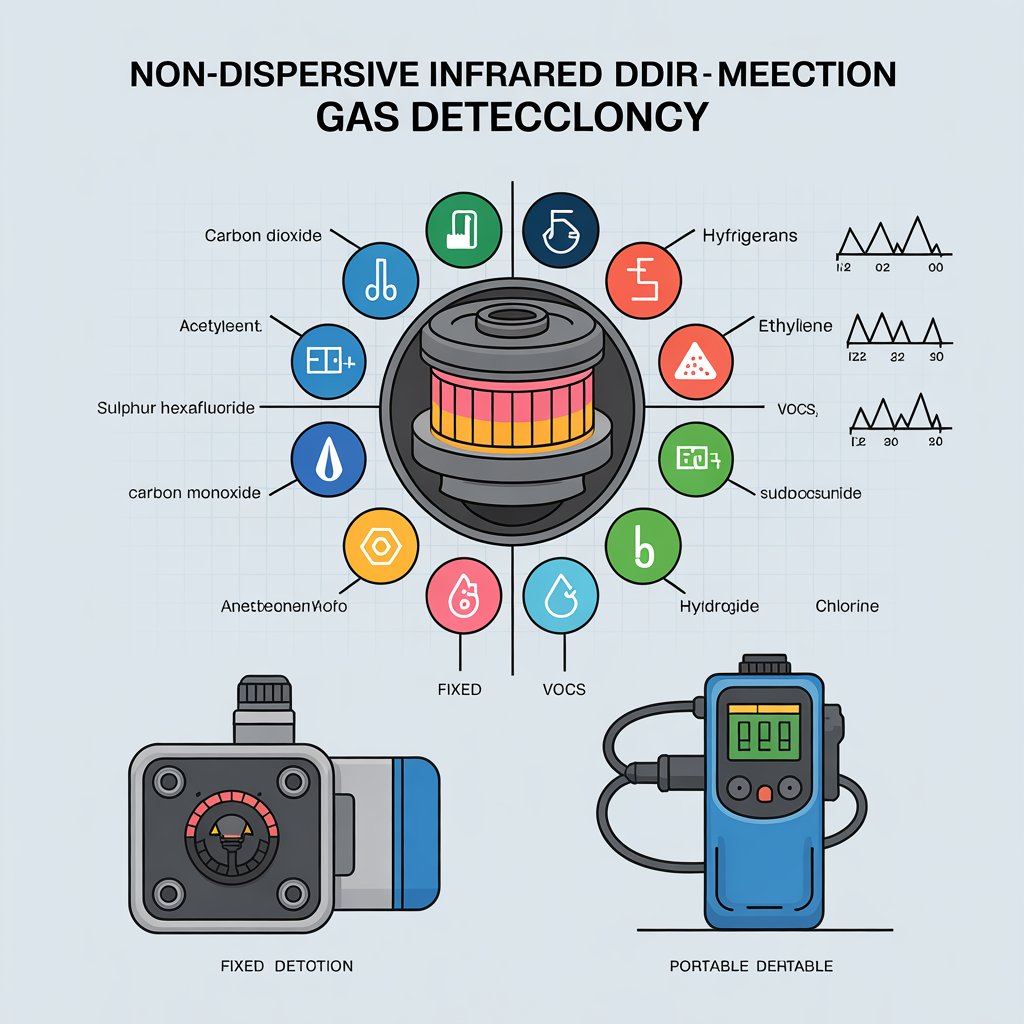
Reliability and durability remain key considerations in the deployment of autonomous monitoring systems. NDIR sensors are well-suited for these applications due to their robustness and resistance to environmental interference. Advances in materials and sensor design are further enhancing their ability to operate in extreme conditions, ensuring consistent performance in demanding environments. This reliability is essential for maintaining the integrity of autonomous systems and ensuring uninterrupted monitoring.
Despite the advantages, challenges such as system complexity, integration costs, and cybersecurity concerns must be addressed. Autonomous systems require seamless integration of hardware and software components, as well as secure data handling to prevent unauthorized access. However, ongoing advancements in system design and security technologies are helping to overcome these challenges and support wider adoption.
The integration of NDIR technology into autonomous monitoring systems is driving significant trends in the market by enabling real-time, independent, and intelligent gas detection solutions. The combination of AI, edge computing, and energy-efficient design is enhancing the capabilities of these systems, making them indispensable across various industries. As automation continues to expand, the role of NDIR sensors in autonomous monitoring systems is expected to grow, supporting the future development of smarter and more efficient environments.