
The digital transformation wave is reshaping industries at an unprecedented pace, and at the core of this evolution is the IoT Technology Ecosystem. As billions of connected devices generate massive volumes of data, the integration of artificial intelligence (AI) and edge computing is fundamentally redefining how this ecosystem operates, scales, and delivers value across industries.
The Expanding Foundation of the IoT Technology Ecosystem
The IoT Technology Ecosystem is built on interconnected devices, sensors, networks, platforms, and applications that enable seamless data exchange and automation. From smart homes and wearable devices to industrial machinery and autonomous systems, this ecosystem is rapidly expanding across both consumer and enterprise environments.
The growing number of connected devices has created a need for faster, more efficient data processing, pushing the ecosystem beyond traditional cloud-only architectures.
AI Integration Transforming IoT Intelligence
Artificial intelligence is playing a critical role in the evolution of the IoT Technology Ecosystem. By embedding AI algorithms into connected systems, devices can now analyze data, detect patterns, and make decisions in real time.
This transformation is shifting IoT from a passive data collection model to an intelligent decision-making framework. Predictive maintenance, anomaly detection, and automated response systems are becoming standard capabilities within the IoT Technology Ecosystem, improving efficiency and reducing operational risks.
Download PDF Brochure @ https://www.marketsandmarkets.com/pdfdownloadNew.asp?id=258239167
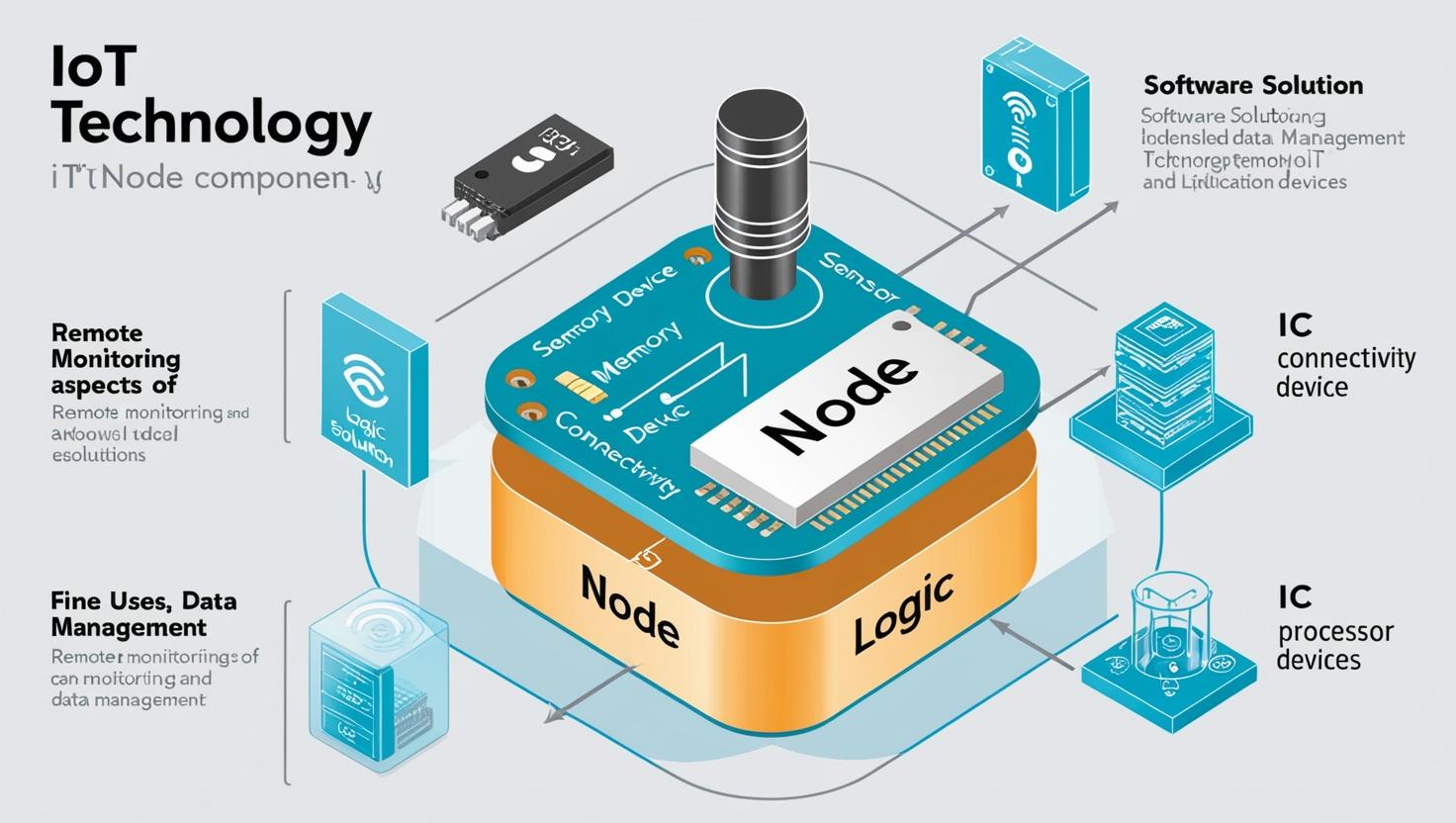
Edge Computing Redefining Data Processing
Edge computing is another key driver reshaping the IoT Technology Ecosystem. Instead of sending all data to centralized cloud servers, edge computing processes data closer to the source—at the device or local network level.
This approach significantly reduces latency, improves response times, and enhances reliability, especially in time-sensitive applications such as autonomous vehicles, industrial automation, and healthcare monitoring. The combination of edge computing and IoT is enabling faster, more scalable systems within the IoT Technology Ecosystem.
Industrial IoT and Smart Manufacturing Growth
One of the most impactful applications of the IoT Technology Ecosystem is in industrial environments. Smart factories are leveraging IoT sensors, AI analytics, and edge computing to optimize production lines, monitor equipment health, and improve supply chain efficiency.
Industrial IoT (IIoT) is enabling real-time visibility into operations, allowing manufacturers to reduce downtime, improve productivity, and enhance product quality. This is accelerating the adoption of the IoT Technology Ecosystem across manufacturing sectors worldwide.
Smart Cities and Connected Infrastructure
Urban development is another major area where the IoT Technology Ecosystem is evolving rapidly. Smart cities use interconnected systems to manage traffic, energy consumption, public safety, and environmental monitoring.
AI-powered analytics combined with edge-enabled IoT devices allow city administrators to make faster, data-driven decisions. This integration is helping create more efficient, sustainable, and livable urban environments.
Healthcare and Remote Monitoring Applications
The healthcare sector is increasingly relying on the IoT Technology Ecosystem for remote patient monitoring, wearable health devices, and smart medical equipment.
AI-driven IoT systems can analyze patient data in real time, enabling early diagnosis and personalized treatment. Edge computing ensures that critical health data is processed instantly, improving response times in emergency situations.
Security and Data Management Challenges
As the IoT Technology Ecosystem expands, security and data management have become major concerns. The large number of connected devices increases vulnerability to cyberattacks, data breaches, and unauthorized access.
To address these challenges, organizations are adopting advanced encryption, AI-based threat detection, and decentralized security models within the IoT Technology Ecosystem.
Future Outlook of the IoT Technology Ecosystem
The future of the IoT Technology Ecosystem is closely tied to continued advancements in AI, edge computing, and 5G connectivity. These technologies will enable even faster, more intelligent, and more autonomous systems across industries.
As integration deepens, the ecosystem will move toward fully autonomous environments where devices not only collect data but also make and execute decisions independently.
The IoT Technology Ecosystem is undergoing a major transformation as AI and edge computing become deeply integrated into connected systems. This evolution is enabling real-time intelligence, improved efficiency, and scalable automation across industries.
With continued innovation and expanding applications, the IoT Technology Ecosystem is set to become a foundational pillar of the global digital economy, powering the next generation of smart, connected environments.
Frequently Asked Questions (FAQs): IoT Technology Ecosystem
1. What is the IoT Technology Ecosystem?
The IoT Technology Ecosystem refers to the interconnected network of devices, sensors, platforms, connectivity technologies, and applications that enable data exchange, automation, and intelligent decision-making across industries.
2. How is AI changing the IoT Technology Ecosystem?
AI enhances the IoT Technology Ecosystem by enabling devices to analyze data, detect patterns, and make real-time decisions. This transforms IoT from simple data collection into intelligent automation and predictive systems.
3. What role does edge computing play in the IoT Technology Ecosystem?
Edge computing processes data closer to where it is generated, reducing latency and improving response times. In the IoT Technology Ecosystem, it supports faster decision-making for applications like industrial automation and healthcare monitoring.
4. Why is the IoT Technology Ecosystem growing so fast?
Growth is driven by increasing adoption of connected devices, advancements in AI and edge computing, expansion of 5G networks, and rising demand for automation across industries.
5. What industries use the IoT Technology Ecosystem?
Key industries include manufacturing, healthcare, transportation, smart cities, agriculture, energy, and retail. These sectors use IoT for monitoring, automation, and data-driven operations.
6. How does the IoT Technology Ecosystem support smart cities?
In smart cities, the IoT Technology Ecosystem enables traffic management, energy optimization, public safety monitoring, and environmental tracking through connected sensors and AI analytics.