
The global residential heating and interior design industry is undergoing a notable transformation, driven by innovation in energy-efficient technologies and changing consumer preferences. At the center of this shift is the Hearth Market, which is expanding steadily as homeowners increasingly prioritize sustainability, aesthetics, and smart home integration in modern fireplaces and heating systems.
Rising Demand for Energy-Efficient Heating Solutions
A major factor driving the growth of the Hearth Market is the rising demand for energy-efficient fireplaces. Traditional wood-burning systems are gradually being replaced by cleaner and more efficient alternatives such as electric, gas, and ethanol fireplaces.
These modern systems offer improved heat control, reduced emissions, and better energy utilization, aligning with global sustainability goals. As energy costs rise, consumers are actively seeking solutions that balance comfort with efficiency, further strengthening the Hearth Market.
Technological Advancements Reshaping the Hearth Industry
Innovation in heating technology is playing a crucial role in the expansion of the Hearth Market. Electric fireplaces now feature realistic flame effects, customizable settings, and remote or app-based controls, making them more attractive to modern homeowners.
Gas fireplaces have also evolved with improved efficiency ratings and smart thermostat integration. These advancements are making fireplaces not only a source of heat but also a key design and lifestyle element in contemporary homes.
Growing Influence of Smart Homes
The rise of smart home ecosystems is significantly influencing the Hearth Market. Consumers are increasingly integrating fireplaces with home automation systems, allowing for voice control, remote operation, and energy monitoring.
Smart connectivity enhances convenience and safety while enabling users to optimize energy consumption. This integration is particularly appealing to tech-savvy homeowners looking for seamless control over household environments.
Aesthetic and Interior Design Trends
Beyond functionality, design plays a major role in the expansion of the Hearth Market. Modern fireplaces are being designed as central decorative elements in living spaces, combining luxury aesthetics with advanced technology.
Minimalist designs, wall-mounted units, and customizable finishes are becoming increasingly popular, especially in urban residential developments. The focus on interior design has elevated fireplaces from utility appliances to lifestyle products.
Download PDF Brochure @ https://www.marketsandmarkets.com/pdfdownloadNew.asp?id=37538589
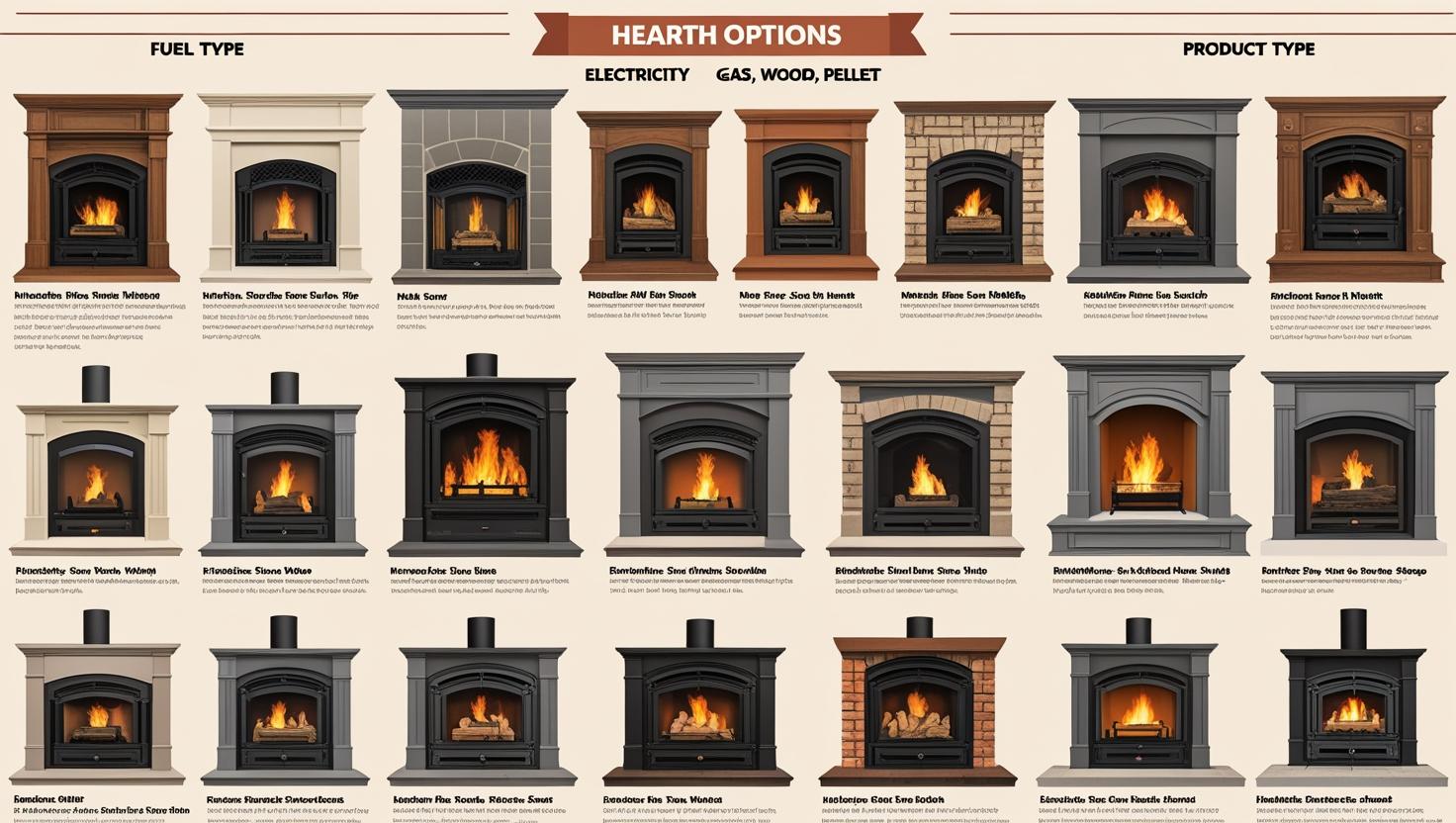
Sustainability Driving Market Growth
Environmental concerns are another key factor shaping the Hearth Market. Consumers and manufacturers alike are shifting toward sustainable heating solutions that reduce carbon footprints.
Electric and ethanol fireplaces, in particular, are gaining traction due to their clean operation and lower environmental impact. This sustainability trend is expected to remain a strong driver of long-term Hearth Market growth.
Residential Renovation and Construction Boom
The growth of residential renovation projects and new housing developments is further supporting the Hearth Market. Homeowners are increasingly upgrading older heating systems with modern, energy-efficient alternatives.
In new constructions, fireplaces are being integrated as standard design features, especially in premium housing segments. This widespread adoption is contributing to steady market expansion.
Regional Market Dynamics
North America and Europe remain key regions driving the Hearth Market, supported by high consumer demand for home comfort products and strong adoption of advanced fireplace technologies.
Meanwhile, emerging markets in Asia-Pacific are beginning to show increased interest, driven by urbanization, rising disposable incomes, and growing awareness of modern home heating solutions.
Challenges in the Hearth Market
Despite strong growth, the Hearth Market faces challenges such as high installation costs for advanced systems, regulatory compliance for emissions, and competition from alternative heating technologies.
Additionally, fluctuations in raw material prices can impact manufacturing costs, influencing overall market pricing and adoption rates.
Future Outlook
The future of the Hearth Market looks promising as energy efficiency, smart technology, and design innovation continue to shape consumer preferences. Manufacturers are expected to focus on developing more connected, sustainable, and aesthetically appealing products.
As these trends evolve, the Hearth Market will continue to expand, becoming an integral part of modern home design and energy-efficient living.
The global Hearth Market is undergoing a significant transformation driven by advancements in energy-efficient fireplaces and smart home integration. With increasing emphasis on sustainability, design, and convenience, fireplaces are evolving into multifunctional lifestyle products.
As innovation continues, the Hearth Market is expected to witness steady growth, supported by changing consumer lifestyles and ongoing technological progress in residential heating solutions.
Frequently Asked Questions (FAQs): Global Hearth Market
1. What is the Hearth Market?
The Hearth Market refers to the global industry focused on fireplaces, stoves, and heating appliances used for residential and commercial spaces. It includes electric, gas, ethanol, and traditional wood-burning systems.
2. Why is the Hearth Market growing globally?
The Hearth Market is growing due to rising demand for energy-efficient heating solutions, increasing focus on home aesthetics, smart home integration, and growing residential renovation activities.
3. What are energy-efficient fireplaces?
Energy-efficient fireplaces are modern heating systems designed to provide maximum heat output with minimal energy consumption. Electric and advanced gas fireplaces are key examples driving Hearth Market growth.
4. Which types of fireplaces are most popular in the Hearth Market?
Electric fireplaces are gaining strong popularity due to ease of installation and smart features, followed by gas fireplaces for their efficiency and traditional wood-burning fireplaces for aesthetic appeal.
5. How does smart home technology impact the Hearth Market?
Smart home integration allows users to control fireplaces via mobile apps or voice assistants. This improves convenience, safety, and energy efficiency, significantly boosting the Hearth Market.