
The US humanoid robot market is experiencing strong momentum as advanced robotics innovation reshapes how machines interact with human environments. Driven by breakthroughs in artificial intelligence, machine learning, sensor technologies, and mechanical design, the US Humanoid Robot Market is moving from experimental development toward early-stage commercial deployment across multiple industries.
Advanced Robotics Innovation Fueling Market Expansion
A key driver of the US Humanoid Robot Market is the rapid progress in robotics engineering. Modern humanoid robots are becoming more agile, intelligent, and capable of performing complex human-like tasks. Improvements in actuators, lightweight materials, and balance control systems are enabling smoother movement and better interaction with real-world environments.
At the same time, AI integration allows humanoid robots to learn from data, adapt to new situations, and execute tasks with higher precision. These innovations are significantly expanding use cases across industrial and service sectors.
Artificial Intelligence Transforming Humanoid Capabilities
Artificial intelligence is at the core of innovation in the US Humanoid Robot Market. Advanced AI models enable robots to recognize objects, understand speech, navigate environments, and make real-time decisions.
Large-scale machine learning systems also allow humanoid robots to improve performance over time. This continuous learning capability is essential for applications in dynamic environments such as warehouses, hospitals, and manufacturing facilities.
Rising Demand from Industrial and Commercial Sectors
Industrial automation is one of the strongest growth drivers of the US Humanoid Robot Market. Manufacturing plants, logistics hubs, and warehouses are increasingly adopting humanoid robots to handle repetitive, labor-intensive, and physically demanding tasks.
In addition, the service sector is beginning to explore humanoid robots for roles in customer support, security, and facility management. This expanding range of applications is accelerating market adoption across the United States.
Download PDF Brochure @ https://www.marketsandmarkets.com/pdfdownloadNew.asp?id=40542925
Labor Shortages and Productivity Pressure
A growing shortage of skilled and manual labor in the US is further boosting demand for humanoid robots. Businesses are seeking automation solutions to maintain productivity while managing rising labor costs.
The US Humanoid Robot Market benefits from this trend as humanoid robots offer a flexible alternative that can operate in human-designed environments without requiring major infrastructure changes.
Robotics Hardware and Sensor Advancements
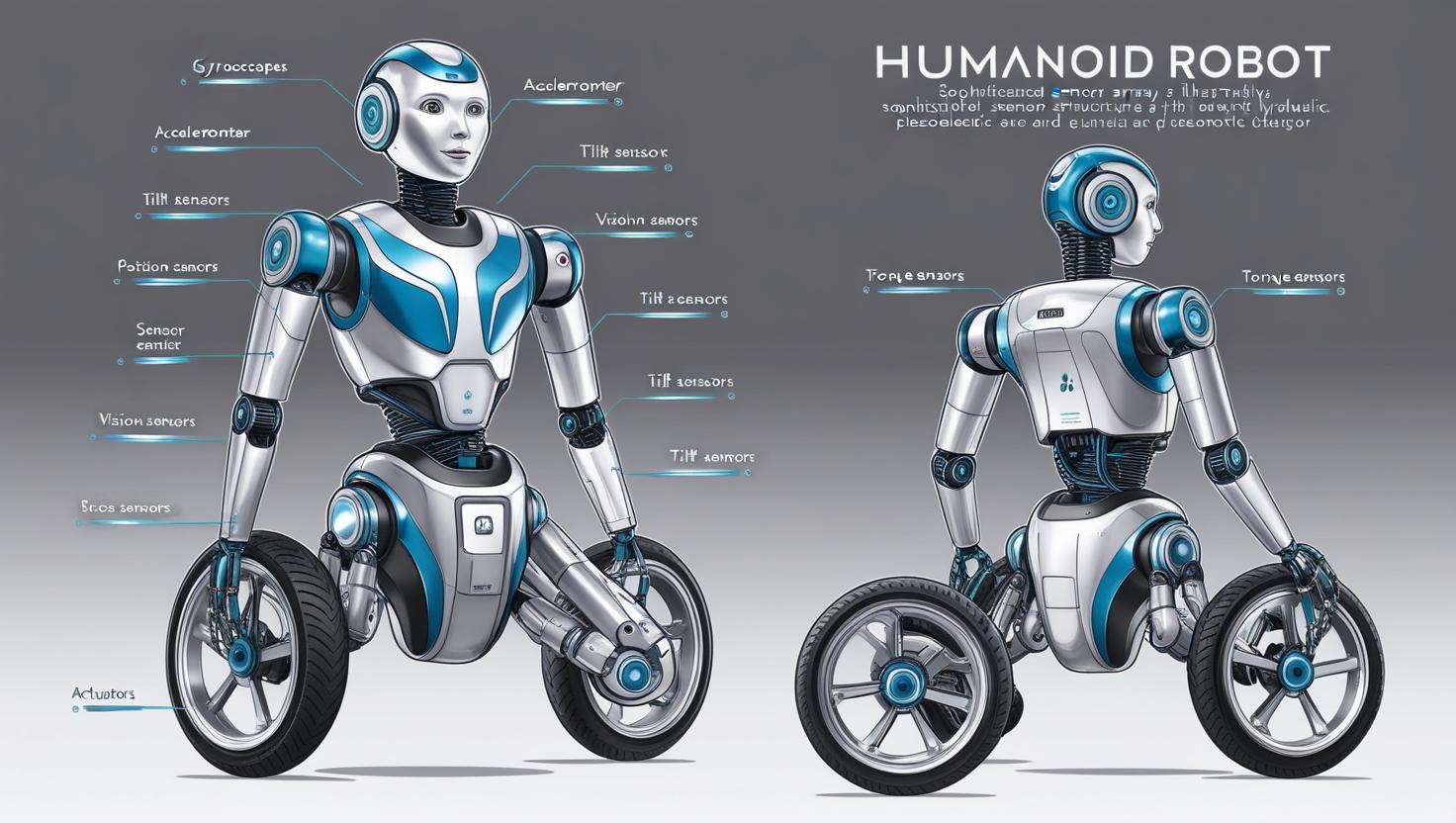
Significant innovation in robotics hardware is another major factor driving the US Humanoid Robot Market. High-precision sensors, improved vision systems, and advanced motion control technologies are enhancing robot performance and safety.
Developments in tactile sensors and depth cameras allow humanoid robots to interact more effectively with objects and humans. These improvements are essential for enabling real-world deployment at scale.
Role of Tech Giants and Startups
The US robotics ecosystem is highly dynamic, with major technology companies and startups actively investing in humanoid robot development. These organizations are focusing on integrating robotics with cloud computing, AI platforms, and edge processing systems.
This competitive innovation landscape is accelerating the evolution of the US Humanoid Robot Market, leading to faster prototyping, improved capabilities, and reduced production costs over time.
Challenges in Market Development
Despite rapid progress, the US Humanoid Robot Market faces several challenges. High development costs, limited battery life, safety concerns, and the complexity of human-like motion control remain key technical barriers.
Additionally, ethical considerations and workforce displacement concerns may influence adoption rates in certain industries.
Future Outlook
The future of the US Humanoid Robot Market looks highly promising as robotics innovation continues to advance. With improvements in AI, materials science, and sensor technology, humanoid robots are expected to become more capable, affordable, and widely adopted.
Over time, their role is likely to expand beyond industrial environments into healthcare, retail, education, and even household applications.
The US humanoid robot industry is entering a transformative phase driven by advanced robotics innovation. As technology continues to evolve, humanoid robots are becoming increasingly practical for real-world applications.
With strong momentum across industries and continuous innovation, the US Humanoid Robot Market is set to play a key role in shaping the future of automation and intelligent machine interaction.