
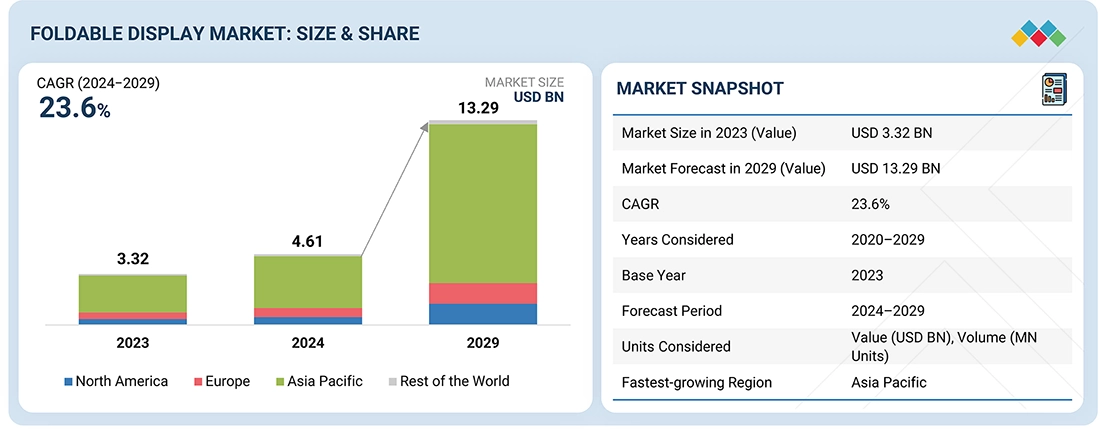
Flexible OLED displays are at the core of the foldable display revolution, acting as a primary driver behind the rapid expansion of this emerging market. Unlike traditional rigid display technologies, flexible OLED panels are built on bendable substrates that allow them to fold, curve, and adapt to various form factors without compromising visual performance. This unique capability has enabled manufacturers to rethink device design, leading to the development of innovative products such as foldable smartphones, tablets, laptops, and wearable devices. As demand for compact yet high-performance electronics continues to grow, flexible OLED displays are playing a crucial role in accelerating the adoption of foldable display technology.
One of the key advantages of flexible OLED displays is their superior visual quality. OLED technology is self-emissive, meaning each pixel generates its own light, eliminating the need for a backlight. This results in deeper blacks, higher contrast ratios, and more vibrant colors compared to traditional LCD panels. In foldable devices, maintaining high visual fidelity across a flexible surface is essential, and OLED technology excels in this regard. Consumers increasingly expect premium display performance, and flexible OLED panels meet these expectations by delivering immersive viewing experiences even in unconventional form factors.
Download PDF Brochure @ https://www.marketsandmarkets.com/pdfdownloadNew.asp?id=86045507
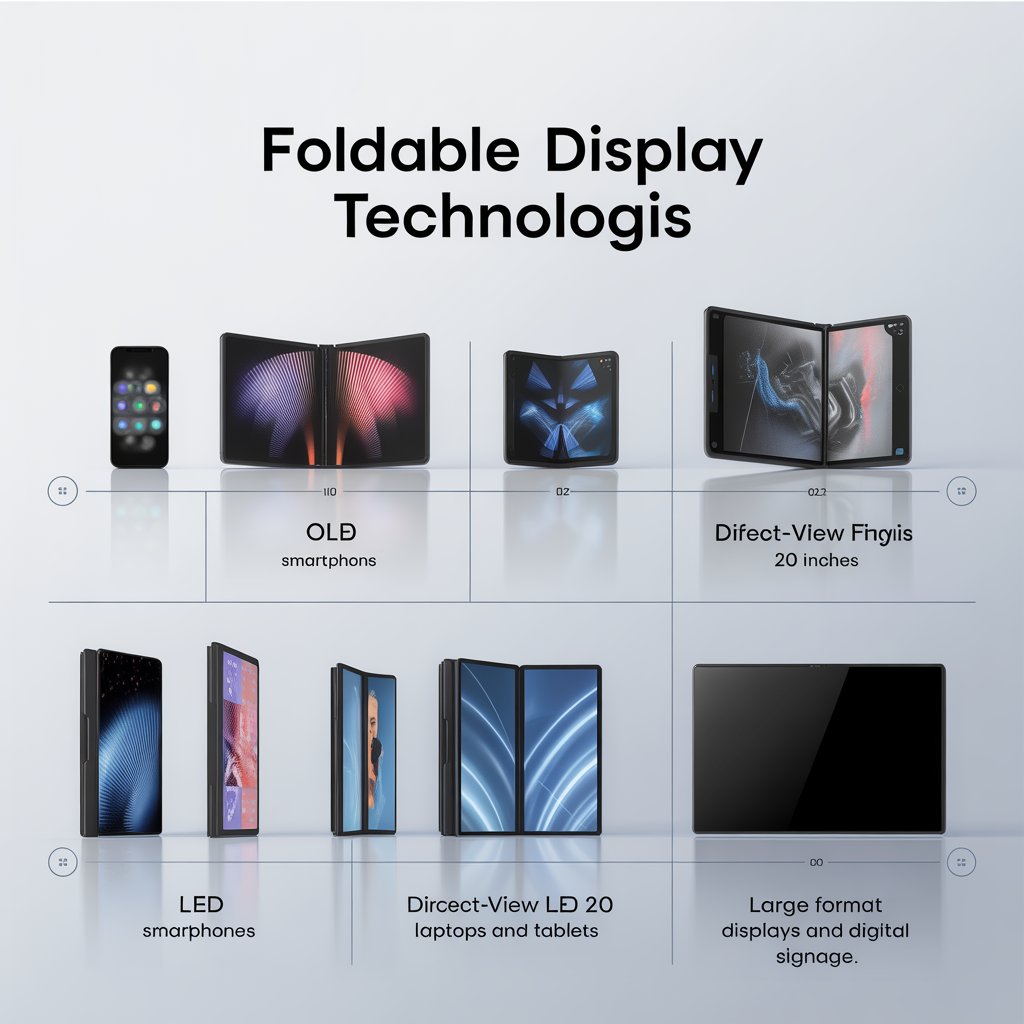
The ability to support ultra-thin and lightweight designs is another important factor driving the expansion of foldable displays. Flexible OLED panels are significantly thinner than traditional displays because they do not require bulky backlighting layers. This thinness allows devices to be more compact and portable while still offering large screen sizes when unfolded. For example, foldable smartphones can transform from pocket-sized devices into tablet-like screens, providing users with enhanced functionality without sacrificing convenience. This combination of portability and performance is a major factor contributing to market growth.
Durability improvements in flexible OLED technology are also supporting widespread adoption. Early foldable devices faced challenges such as screen creasing, limited lifespan, and vulnerability to damage. However, advancements in materials such as ultra-thin glass and high-performance polymers have significantly enhanced the durability of flexible OLED panels. These materials provide the necessary flexibility while maintaining structural integrity, allowing displays to withstand repeated folding and unfolding. As durability concerns are addressed, consumer confidence in foldable devices is increasing, further driving market expansion.
Another significant trend is the integration of flexible OLED displays with advanced device functionalities. Foldable devices often incorporate features such as multitasking, split-screen operation, and adaptive user interfaces. Flexible OLED panels enable seamless transitions between different display modes, supporting these functionalities effectively. For instance, a foldable device can display multiple applications simultaneously on a larger screen, improving productivity and user experience. This versatility is attracting both consumers and professionals, contributing to the growing demand for foldable displays.
Inquiry Before Buying @ https://www.marketsandmarkets.com/Enquiry_Before_BuyingNew.asp?id=86045507
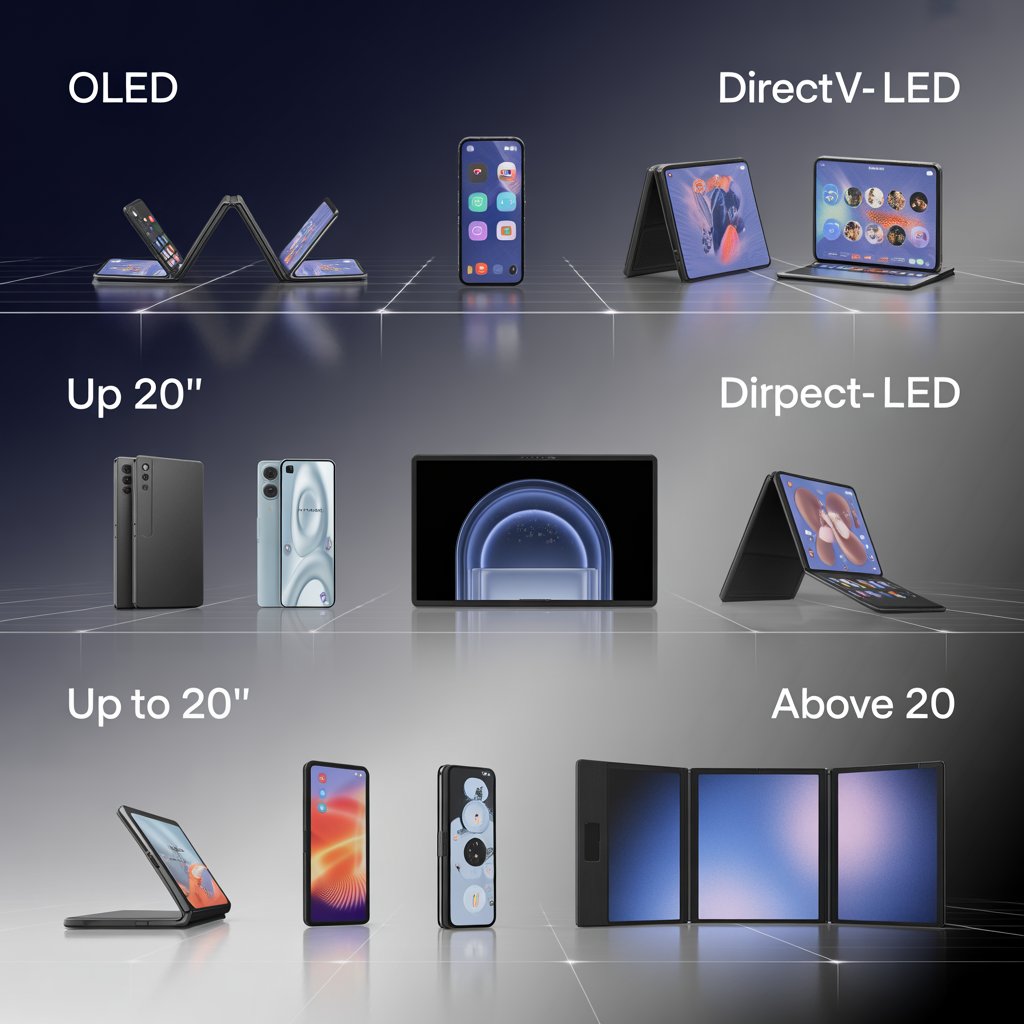
Manufacturing advancements are also playing a critical role in the growth of the flexible OLED market. Initially, the production of flexible OLED panels was complex and costly, limiting their availability. However, improvements in fabrication techniques, such as roll-to-roll processing and advanced encapsulation methods, are increasing production efficiency and yield rates. These advancements are reducing manufacturing costs and enabling large-scale production, making foldable devices more accessible to a wider audience. As economies of scale are achieved, the cost of flexible OLED displays is expected to decline further, supporting market expansion.
The growing adoption of flexible OLED displays in diverse applications is another factor driving market growth. While foldable smartphones remain the primary application, the technology is expanding into tablets, laptops, automotive displays, and wearable devices. In the automotive sector, flexible OLED panels are being used to create curved and foldable dashboards and infotainment systems, enhancing both functionality and aesthetics. In wearables, flexible displays enable innovative designs that conform to the human body, improving comfort and usability. This diversification of applications is broadening the market and creating new growth opportunities.
Energy efficiency is also a key advantage of flexible OLED displays. Since OLED panels only illuminate active pixels, they consume less power compared to traditional LCD displays. This efficiency is particularly important for portable devices, where battery life is a critical factor. As foldable devices often feature larger screens, energy-efficient display technology is essential to ensure optimal performance. The ability of flexible OLED panels to deliver high-quality visuals while conserving energy is contributing to their widespread adoption.
View detailed Table of Content here – https://www.marketsandmarkets.com/Market-Reports/foldable-display-market-86045507.html
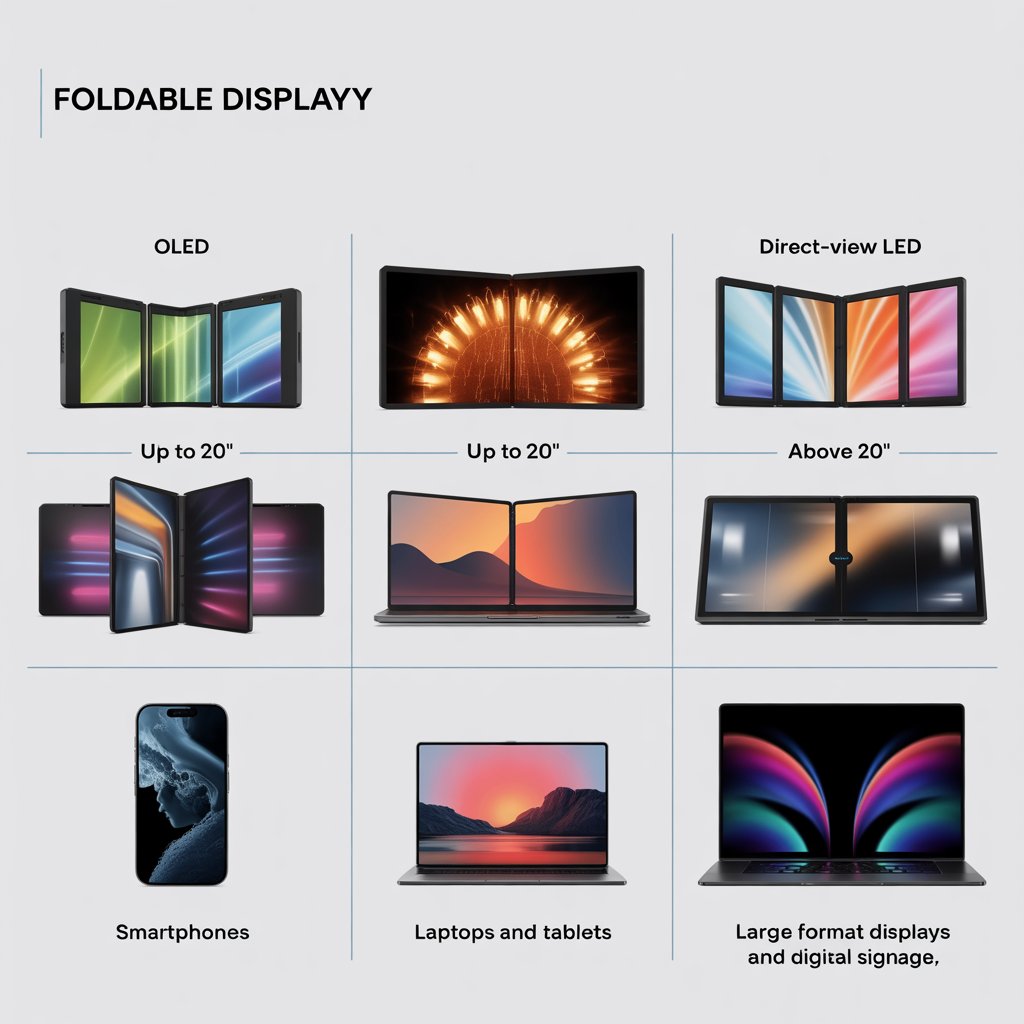
The role of innovation and competition among manufacturers cannot be overlooked. Leading companies are investing heavily in research and development to enhance the performance, durability, and cost-effectiveness of flexible OLED displays. Continuous innovation is leading to improvements in brightness, resolution, and folding mechanisms, making foldable devices more appealing to consumers. Competitive dynamics are also driving companies to differentiate their products through unique designs and features, further accelerating market growth.
Despite the positive outlook, challenges such as high initial costs, complex manufacturing processes, and the need for further durability enhancements remain. However, ongoing technological advancements and increased investment in the sector are expected to address these challenges over time. As the technology matures, flexible OLED displays are likely to become more affordable and widely adopted.
Flexible OLED displays are a fundamental driver of foldable display market expansion, enabling innovative device designs, superior visual performance, and enhanced user experiences. Their ability to combine flexibility, durability, and energy efficiency is transforming the consumer electronics landscape. As advancements in materials, manufacturing, and design continue to evolve, flexible OLED technology will remain at the forefront of the foldable display market, supporting its growth and shaping the future of next-generation devices.