
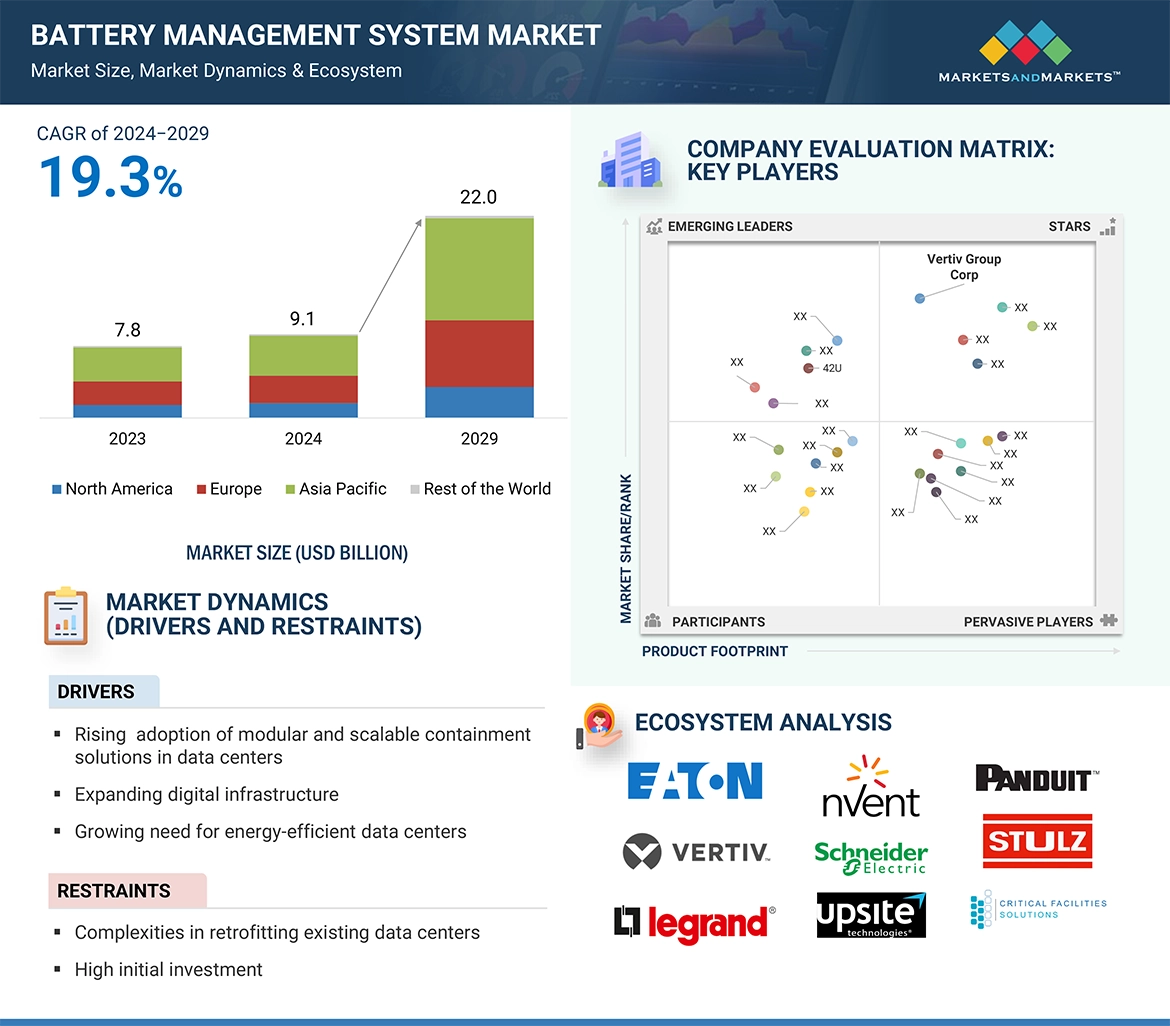
The rapid evolution of fast-charging technologies is significantly influencing the Battery Management System (BMS) Market, as industries seek to reduce charging time while maintaining battery safety and longevity. With the growing adoption of electric vehicles, portable electronics, and energy storage systems, the demand for faster and more efficient charging solutions has become a key priority. Fast-charging capabilities are transforming user expectations, making it essential for battery systems to deliver high performance without compromising reliability. In this context, BMS plays a critical role in managing high charging currents, ensuring thermal stability, and optimizing battery performance, thereby driving innovation and growth in the market.
One of the most important trends shaping the BMS market is the increasing demand for ultra-fast charging in electric vehicles. Consumers expect EVs to offer charging times comparable to conventional refueling, prompting automakers and technology providers to develop high-power charging solutions. Fast-charging infrastructure, including high-voltage charging stations, requires advanced BMS technologies to manage the rapid flow of energy into battery packs. BMS solutions are designed to monitor voltage, current, and temperature in real time, ensuring that batteries can handle high charging rates safely. This capability is essential for preventing issues such as overheating and degradation, which can result from excessive charging speeds.
Download PDF Brochure @ https://www.marketsandmarkets.com/pdfdownloadNew.asp?id=234498189
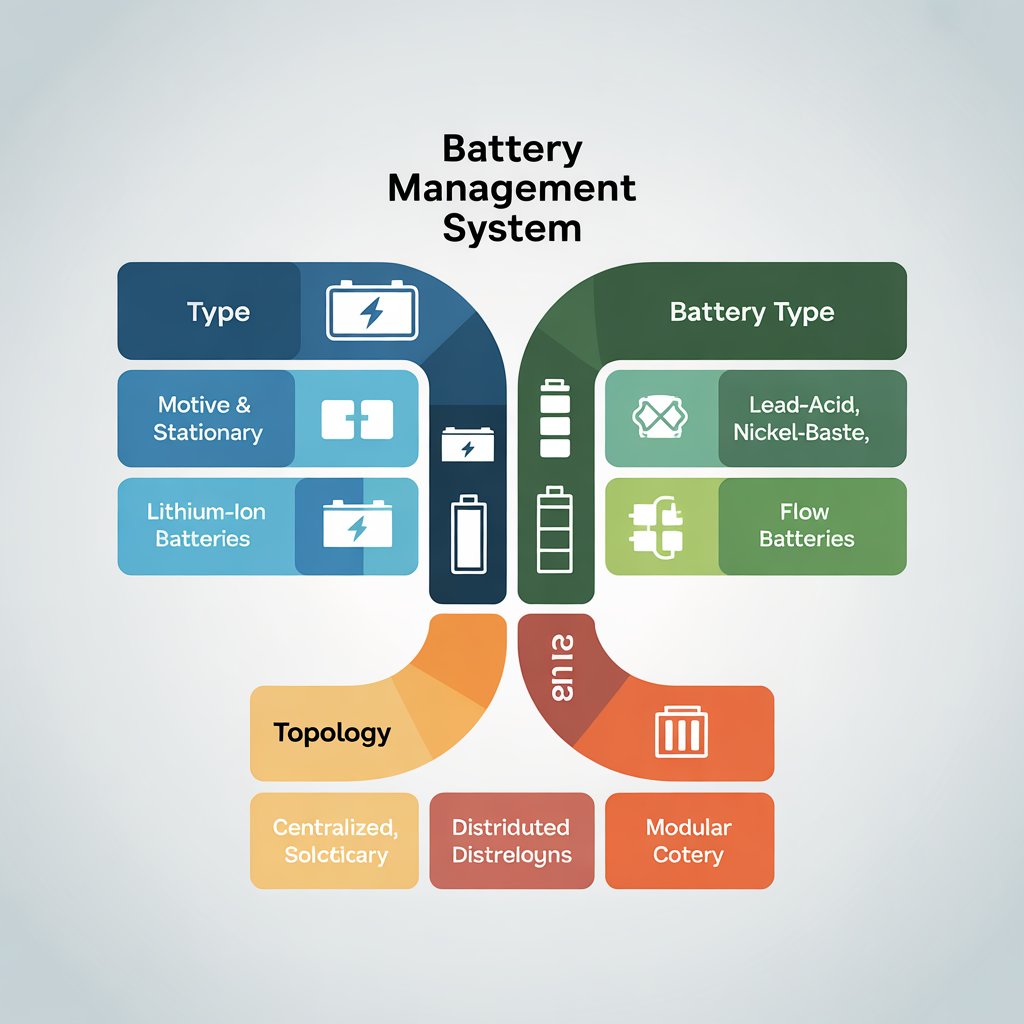
Thermal management is a critical aspect of fast-charging technologies, and it is a key focus area for BMS innovation. High charging currents generate significant heat within battery cells, which can impact performance and safety if not properly managed. Advanced BMS solutions incorporate sophisticated thermal monitoring and control mechanisms to maintain optimal operating temperatures. These systems can adjust charging rates dynamically based on temperature conditions, ensuring that batteries remain within safe limits. Effective thermal management not only enhances safety but also extends battery lifespan, making it a crucial component of fast-charging systems.
Another notable trend is the development of advanced charging algorithms that optimize the charging process. Modern BMS solutions use intelligent algorithms to control charging profiles, balancing speed with battery health. Techniques such as adaptive charging and multi-stage charging are being implemented to maximize efficiency while minimizing stress on battery cells. These algorithms analyze real-time data and adjust charging parameters accordingly, enabling faster charging without compromising performance. As artificial intelligence and machine learning technologies continue to advance, their integration into BMS is expected to further enhance charging optimization.
The adoption of high-voltage battery systems is also influencing BMS trends in fast-charging technologies. Higher voltage architectures allow for faster energy transfer, reducing charging time and improving overall efficiency. BMS solutions are being designed to support these high-voltage systems by ensuring precise control and monitoring of battery parameters. This includes managing voltage distribution across cells and maintaining system stability during high-power charging. The transition to high-voltage platforms is particularly evident in electric vehicles, where it is enabling faster and more efficient charging capabilities.
Inquiry Before Buying @ https://www.marketsandmarkets.com/Enquiry_Before_BuyingNew.asp?id=234498189
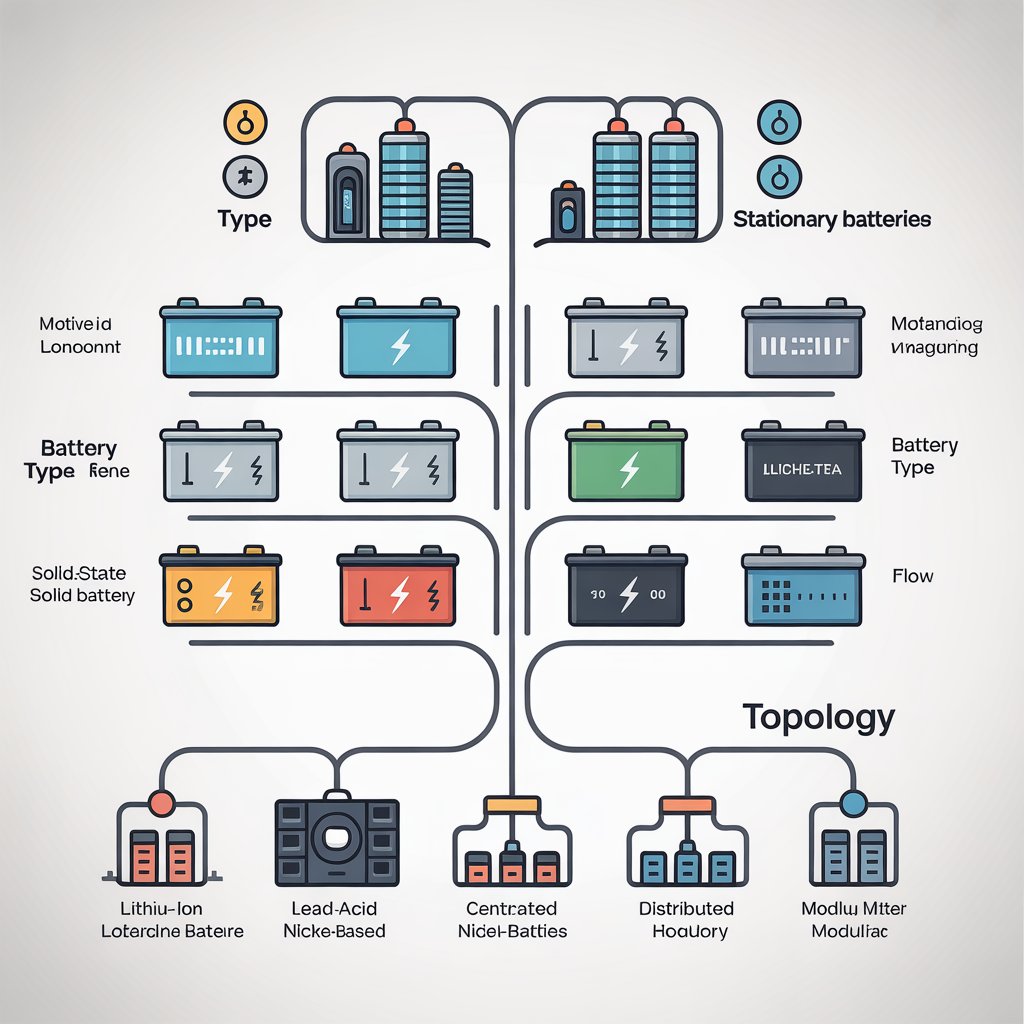
The integration of advanced semiconductor technologies is playing a significant role in supporting fast-charging BMS solutions. High-performance power management integrated circuits and wide bandgap semiconductors, such as silicon carbide and gallium nitride, are enabling efficient power conversion and reduced energy losses. These components allow BMS to handle high charging currents more effectively, improving system efficiency and performance. As semiconductor technologies continue to evolve, they are expected to further enhance the capabilities of fast-charging battery systems.
Wireless and connected BMS solutions are also emerging as important trends in the fast-charging landscape. Wireless BMS eliminates the need for complex wiring, improving system efficiency and enabling more flexible battery designs. Connected BMS solutions allow for real-time monitoring and remote control of charging processes, providing valuable insights into battery performance. This connectivity enables predictive maintenance and optimization of charging strategies, ensuring efficient and reliable operation. In large-scale applications such as EV fleets and energy storage systems, these capabilities are becoming increasingly valuable.
The growing adoption of fast-charging technologies in consumer electronics is another factor driving BMS market growth. Smartphones, laptops, and wearable devices are increasingly equipped with fast-charging capabilities, requiring advanced BMS solutions to manage high charging currents. These systems ensure that devices can charge quickly while maintaining battery safety and performance. As consumer demand for faster charging continues to rise, manufacturers are investing in innovative BMS technologies to meet these expectations.
View detailed Table of Content here – https://www.marketsandmarkets.com/Market-Reports/battery-management-bms-market-234498189.html
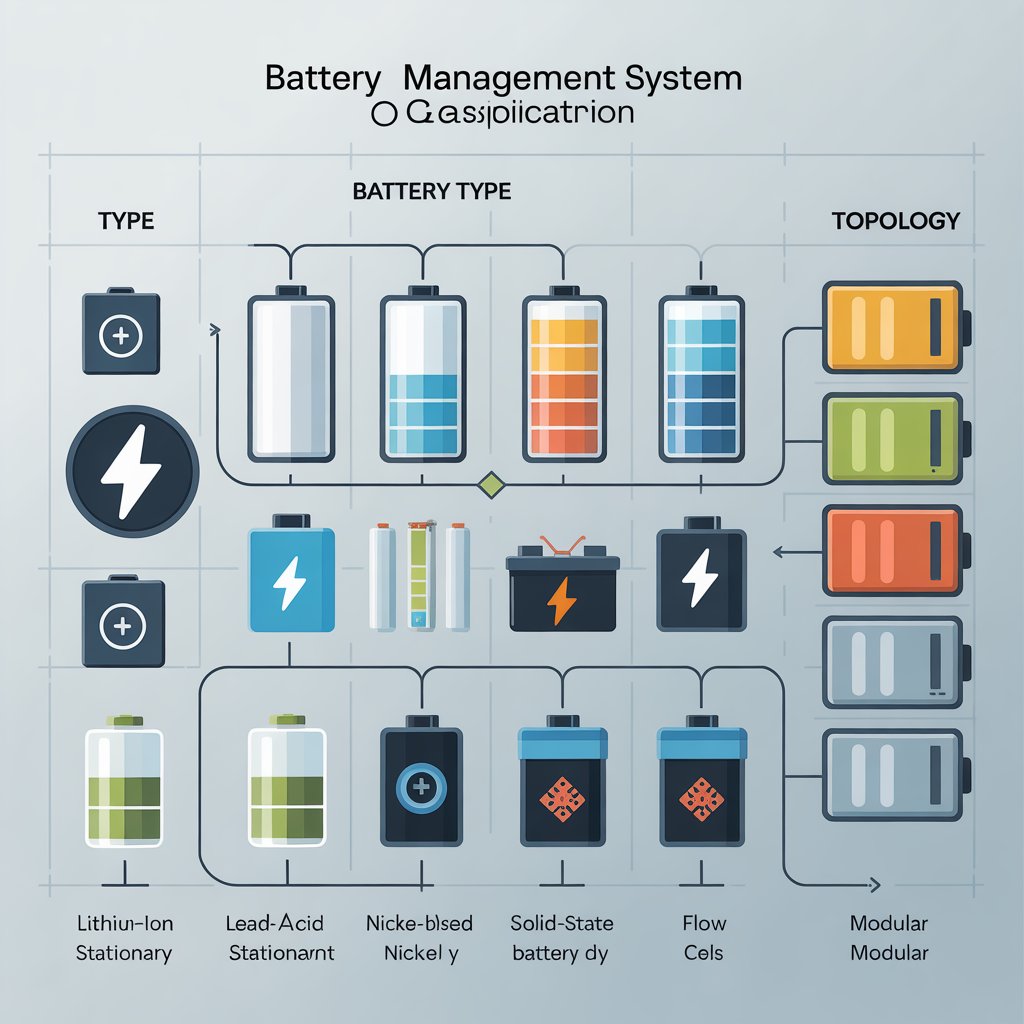
Renewable energy storage systems are also benefiting from advancements in fast-charging technologies. Energy storage systems used in solar and wind applications require efficient charging and discharging processes to manage fluctuating energy supply. BMS solutions enable rapid charging of storage systems while ensuring stability and efficiency. This is particularly important in grid-scale applications, where efficient energy management is critical for maintaining power reliability.
Despite the significant advancements, challenges such as thermal management complexity, cost considerations, and infrastructure limitations remain. Developing BMS solutions capable of supporting fast-charging technologies requires substantial investment in research and development. Additionally, ensuring compatibility with existing infrastructure and maintaining system reliability are critical considerations. However, ongoing innovation and technological progress are addressing these challenges, paving the way for broader adoption of fast-charging solutions.
Fast-charging technologies are driving significant trends in the battery management system market, influencing the development of advanced monitoring, control, and optimization solutions. From electric vehicles and consumer electronics to renewable energy systems, the demand for faster and more efficient charging is shaping the future of battery management. As innovations in thermal management, semiconductor technologies, and intelligent algorithms continue to evolve, BMS will play a central role in enabling safe, efficient, and high-performance fast-charging systems, supporting the overall growth of the global market.