
The Smart Home Market is rapidly evolving as connected devices, artificial intelligence, and Internet of Things (IoT) technologies reshape modern living spaces. Smart homes are no longer futuristic concepts—they are becoming mainstream, driven by rising consumer demand for convenience, energy efficiency, security, and remote control capabilities.
According to MarketsandMarkets, the smart home industry is expected to grow significantly in the coming years, supported by increasing internet penetration, proliferation of connected devices, and growing interest in energy-efficient and secure living environments.
As adoption accelerates globally, several key trends are shaping the direction of the Smart Home Market.
1. Rising Adoption of IoT-Enabled Devices
One of the most important trends in the Smart Home Market is the widespread adoption of IoT-enabled devices. Smart speakers, lighting systems, thermostats, and home security devices are becoming standard in households.
Growing internet penetration and the increasing availability of affordable smart devices are enabling seamless connectivity across home ecosystems. This allows users to control multiple appliances remotely through smartphones or voice assistants, significantly enhancing convenience and automation.
2. Integration of AI and Machine Learning
Artificial intelligence (AI) and machine learning are transforming smart homes into intelligent environments that learn user behavior and automate decisions.
AI-powered systems can:
- Adjust lighting and temperature based on user preferences
- Detect unusual activity for security alerts
- Optimize energy usage automatically
- Enable voice-based control through smart assistants
This shift toward intelligent automation is making smart homes more personalized, adaptive, and efficient.
Download PDF Brochure @ https://www.marketsandmarkets.com/pdfdownloadNew.asp?id=121
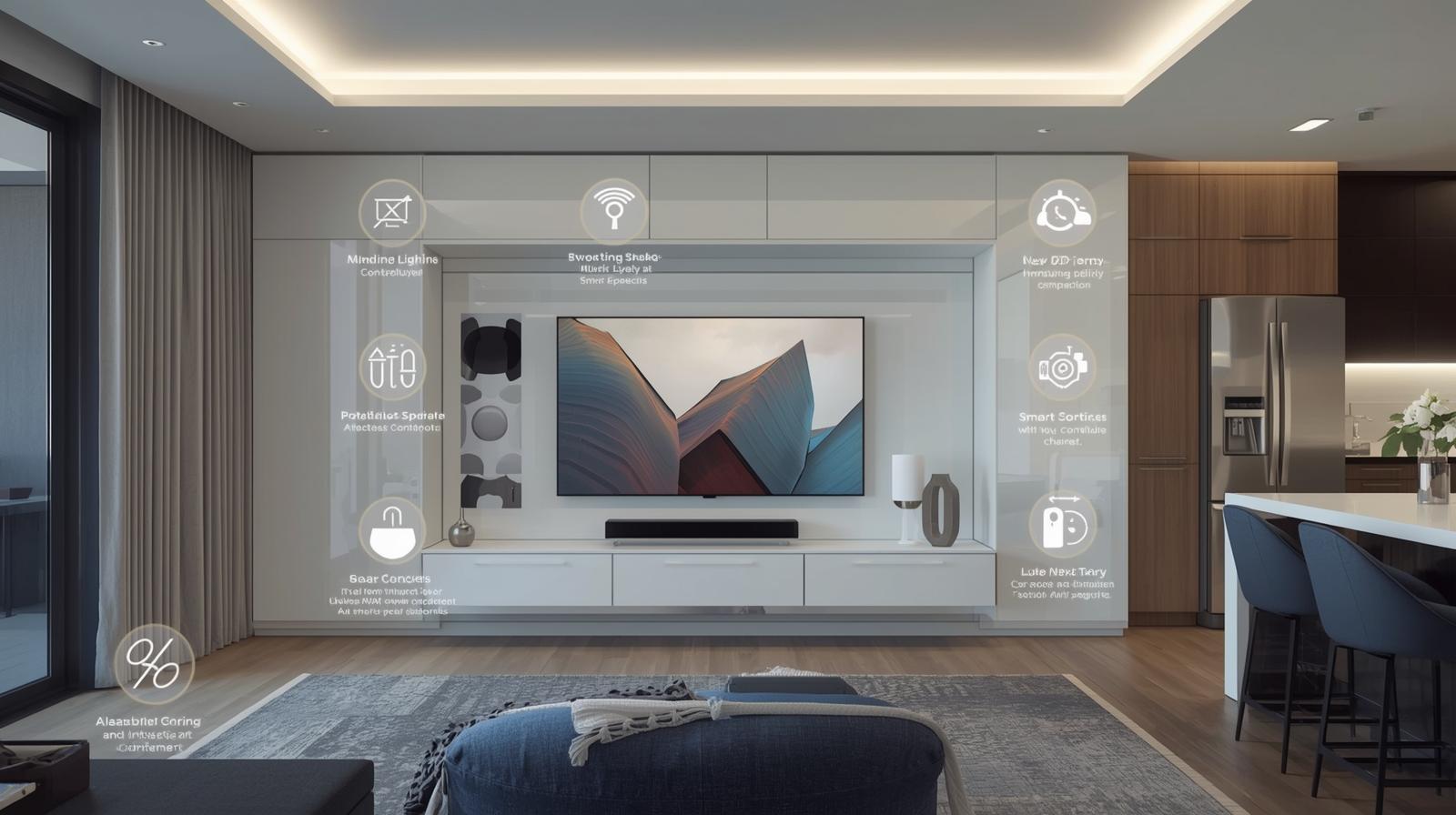
3. Growing Focus on Energy Efficiency and Sustainability
Energy management is a major driver of the Smart Home Market. Consumers are increasingly adopting smart thermostats, energy monitoring systems, and automated lighting solutions to reduce electricity consumption.
Governments and organizations are also promoting green buildings and low-carbon technologies, further encouraging adoption of energy-efficient smart home systems.
This trend is especially strong in urban areas, where energy costs and environmental concerns are rising.
4. Expansion of Smart Security and Surveillance Systems
Security remains one of the fastest-growing application areas in the smart home ecosystem. Smart locks, video doorbells, motion sensors, and AI-based surveillance systems are becoming essential components of modern homes.
Consumers are prioritizing real-time monitoring, remote access, and instant alerts to enhance home safety. This growing demand for smart security solutions is significantly contributing to market expansion.
5. Voice Assistants and Smart Ecosystem Integration
Voice-controlled ecosystems powered by assistants like Alexa, Google Assistant, and Siri are central to smart home adoption.
These platforms allow users to:
- Control multiple devices using voice commands
- Create automated routines
- Integrate entertainment, lighting, and security systems
The increasing interoperability between devices is pushing the market toward fully connected smart ecosystems where all home systems work seamlessly together.
6. Rise of Smart Home Healthcare and Assisted Living
Another emerging trend is the use of smart home technologies in healthcare and assisted living environments. IoT-based sensors and monitoring systems help track elderly residents’ health, detect emergencies, and improve independent living.
This is particularly important in aging populations, where remote healthcare monitoring is becoming a necessity. Smart homes are increasingly being integrated into healthcare systems for better patient care and safety.
7. Interoperability and Standardization Improvements
One of the key challenges in the smart home ecosystem has been device incompatibility. However, new standards such as Matter are improving interoperability across different brands and platforms.
This trend is enabling smoother integration of devices from multiple manufacturers, reducing complexity for consumers and accelerating market adoption.
8. Growth of Smart Entertainment and Connected Living
Smart TVs, connected speakers, and home entertainment systems are becoming core components of smart homes. Consumers are increasingly adopting integrated entertainment ecosystems that connect streaming platforms, voice assistants, and mobile devices.
This trend reflects the shift toward fully connected living environments, where entertainment, communication, and automation converge.
The Smart Home Market is evolving rapidly, driven by advancements in IoT, AI, energy efficiency technologies, and increasing consumer demand for convenience and security. Key trends such as intelligent automation, smart security systems, interoperability standards, and healthcare integration are shaping the future of connected living.
As technology continues to advance, smart homes are expected to become more intuitive, affordable, and widely adopted—transforming everyday living into a fully connected digital experience.
FAQ