

The Flow Battery Market is experiencing substantial growth as utility and industrial sectors increasingly adopt advanced energy storage solutions to meet evolving energy demands. With the global shift toward renewable energy and the need for reliable, long-duration storage, flow batteries are emerging as a practical and efficient option. Their unique ability to decouple power and energy capacity, combined with long operational life and enhanced safety, makes them particularly suitable for large-scale applications. As utilities and industries continue to modernize their energy infrastructure, flow batteries are playing a critical role in enabling efficient power management and supporting sustainable operations.
In the utility sector, the integration of renewable energy sources is a major factor driving the adoption of flow batteries. Solar and wind energy generation is expanding rapidly, but their intermittent nature creates challenges in maintaining grid stability. Flow batteries address this issue by storing excess energy during periods of high generation and releasing it when production decreases or demand increases. This capability helps utilities maintain a balanced and reliable power supply, reducing reliance on fossil fuel-based backup systems. As renewable energy penetration continues to grow, the demand for flow batteries in utility-scale applications is expected to rise significantly.
Download PDF Brochure @ https://www.marketsandmarkets.com/pdfdownloadNew.asp?id=82953888

Grid stability and reliability are central concerns for utilities, especially as energy systems become more complex and decentralized. Flow batteries provide essential services such as frequency regulation, voltage support, and peak load management. Their ability to deliver consistent performance over long durations makes them ideal for supporting grid operations. Unlike conventional batteries, which may degrade over time, flow batteries maintain stable efficiency across thousands of cycles. This reliability is particularly valuable for utilities that require long-term, dependable energy storage solutions.
Large-scale energy storage projects are becoming increasingly common in the utility sector, further boosting the flow battery market. Utilities are investing in multi-megawatt storage systems to enhance grid resilience and optimize energy distribution. Flow batteries are well-suited for these projects due to their scalability and flexibility. By increasing the size of electrolyte storage tanks, utilities can expand energy capacity without significantly altering system design. This modular approach allows for customized solutions that meet specific grid requirements, making flow batteries a preferred choice for large-scale deployments.
In the industrial sector, the demand for reliable and cost-effective energy storage is also driving the adoption of flow batteries. Industries with high energy consumption, such as manufacturing, mining, and data centers, require stable power supply to maintain operations and avoid costly downtime. Flow batteries provide a dependable backup power solution, ensuring continuity during power outages. Additionally, they enable industries to store energy during off-peak hours and use it during peak demand periods, reducing energy costs and improving overall efficiency.
Inquiry Before Buying @ https://www.marketsandmarkets.com/Enquiry_Before_BuyingNew.asp?id=82953888

Energy cost optimization is a key factor influencing flow battery adoption in industrial applications. By leveraging energy storage systems, businesses can take advantage of variable electricity pricing and reduce their dependence on grid power during peak periods. Flow batteries, with their long lifecycle and low maintenance requirements, offer a cost-effective solution for managing energy consumption. This is particularly important in industries where energy costs represent a significant portion of operational expenses. As companies seek to improve profitability and sustainability, the adoption of flow batteries is expected to increase.
The growing emphasis on sustainability and environmental responsibility is another driver of market growth in both utility and industrial sectors. Flow batteries support the transition to cleaner energy systems by enabling efficient integration of renewable sources and reducing reliance on fossil fuels. Their long operational life and recyclability further enhance their environmental benefits. As governments and organizations implement stricter environmental regulations and sustainability targets, the demand for eco-friendly energy storage solutions is rising.
Technological advancements are also contributing to the expansion of the flow battery market. Innovations in electrolyte chemistry, membrane technology, and system design are improving efficiency, reducing costs, and enhancing performance. These developments are making flow batteries more competitive with other energy storage technologies and expanding their applicability across various sectors. As research and development efforts continue, the capabilities of flow battery systems are expected to improve, supporting wider adoption in utility and industrial applications.
View detailed Table of Content here – https://www.marketsandmarkets.com/Market-Reports/flow-battery-market-82953888.html
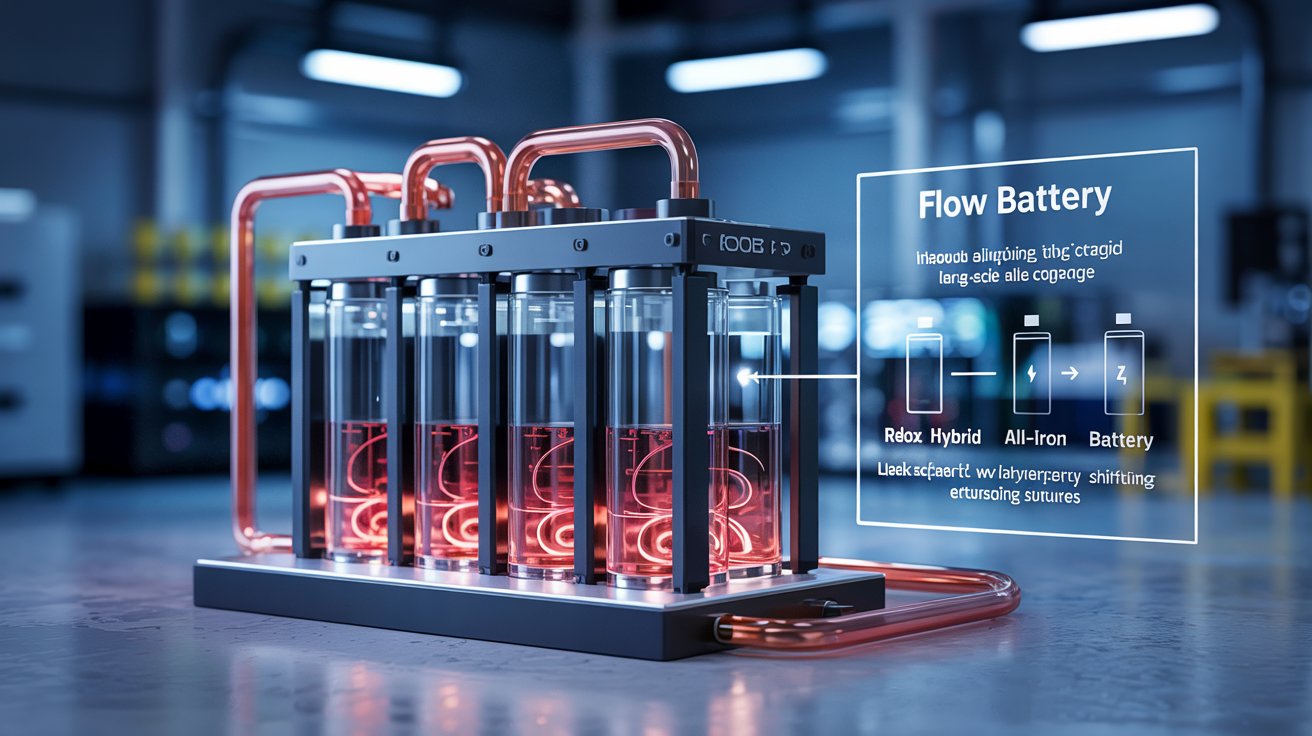
The integration of digital technologies with flow battery systems is another emerging trend. Smart monitoring and control systems enable real-time performance tracking and predictive maintenance, enhancing system efficiency and reliability. This integration is particularly valuable in large-scale utility and industrial installations, where optimizing performance and minimizing downtime are critical. As digitalization continues to transform the energy sector, the role of intelligent energy storage systems is expected to grow.
Despite the strong growth potential, challenges such as high initial investment costs and competition from alternative storage technologies remain. However, the long-term benefits of flow batteries, including durability, scalability, and low maintenance, are helping to offset these challenges. As economies of scale improve and costs decline, flow batteries are becoming more accessible to a broader range of users.
The flow battery market is experiencing significant growth in utility and industrial sectors, driven by the need for reliable, scalable, and sustainable energy storage solutions. The integration of renewable energy, focus on grid stability, and demand for cost-effective power management are key factors supporting this growth. As technological advancements continue and adoption increases, flow batteries are expected to play a vital role in shaping the future of energy storage in both utility and industrial applications, contributing to a more resilient and sustainable energy ecosystem.