
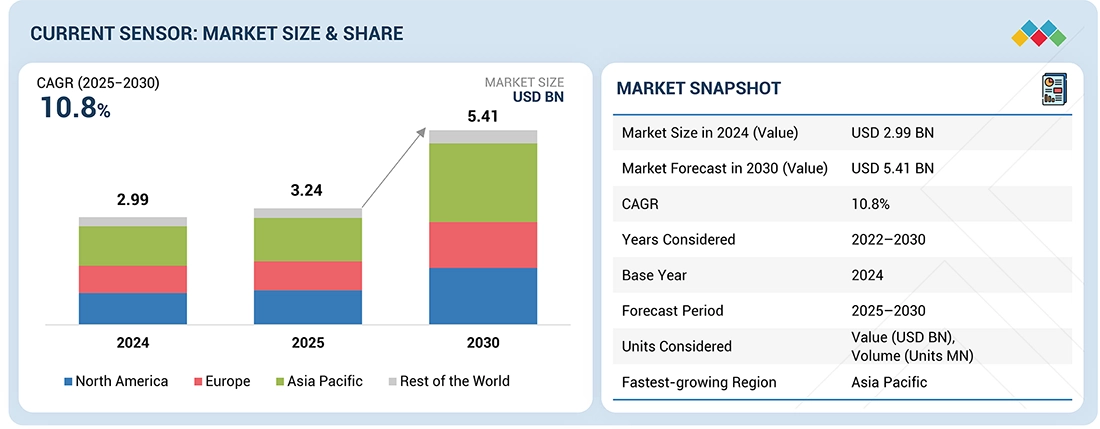
The Current Sensor Market is experiencing strong momentum, largely driven by the rapid integration of power electronics across a wide range of applications. Power electronics, which involve the conversion, control, and management of electrical energy using semiconductor devices, are becoming the backbone of modern electrical systems. From electric vehicles and renewable energy systems to industrial automation and consumer electronics, power electronics enable efficient energy utilization and system performance. In this context, current sensors play a critical role by providing accurate and real-time measurement of electrical currents, ensuring optimal operation, safety, and efficiency.
One of the primary drivers of this trend is the increasing adoption of electric vehicles and electrified transportation systems. Power electronics are central to EV functionality, managing battery charging, motor control, and energy distribution. Current sensors are essential in these systems, enabling precise monitoring of current flow within battery packs, inverters, and drive systems. Accurate current measurement is crucial for optimizing energy efficiency, ensuring safe operation, and extending battery life. As EV adoption accelerates globally, the integration of advanced current sensors with power electronic systems is becoming more critical, driving significant market growth.
Download PDF Brochure @ https://www.marketsandmarkets.com/pdfdownloadNew.asp?id=26656433
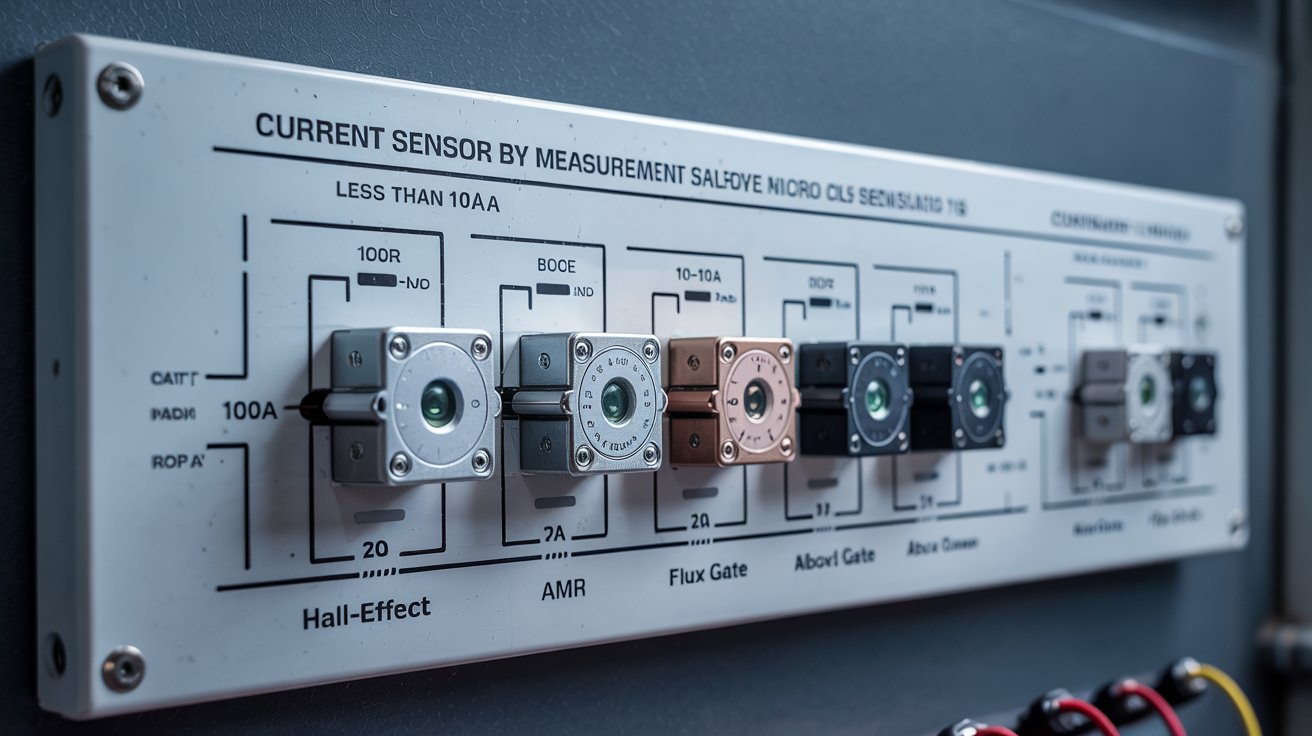
Renewable energy systems are another major area where power electronics integration is fueling demand for current sensors. Solar photovoltaic systems, wind turbines, and energy storage solutions rely heavily on power electronic converters and inverters to manage energy generation and distribution. Current sensors are embedded within these systems to monitor power flow, detect faults, and ensure efficient energy conversion. The growing deployment of renewable energy infrastructure, coupled with the need for grid stability and energy optimization, is increasing the demand for high-performance current sensing solutions.
Industrial automation is also contributing to the expansion of the current sensor market through the integration of power electronics. Modern manufacturing environments utilize motor drives, robotics, and automated control systems that depend on efficient power management. Current sensors provide real-time data on electrical parameters, enabling precise control of machinery and processes. This integration enhances productivity, reduces energy consumption, and minimizes downtime. As industries continue to adopt smart manufacturing practices and move toward Industry 4.0, the demand for advanced current sensors in power electronic systems is expected to grow steadily.
Technological advancements in power semiconductor devices are further influencing the current sensor market. The development of wide bandgap materials such as silicon carbide and gallium nitride is enabling more efficient and compact power electronic systems. These technologies operate at higher voltages, frequencies, and temperatures, requiring current sensors with enhanced accuracy, speed, and thermal stability. As power electronics become more sophisticated, current sensing technologies must evolve to meet these demanding requirements, driving innovation and market expansion.
Inquiry Before Buying @ https://www.marketsandmarkets.com/Enquiry_Before_BuyingNew.asp?id=26656433
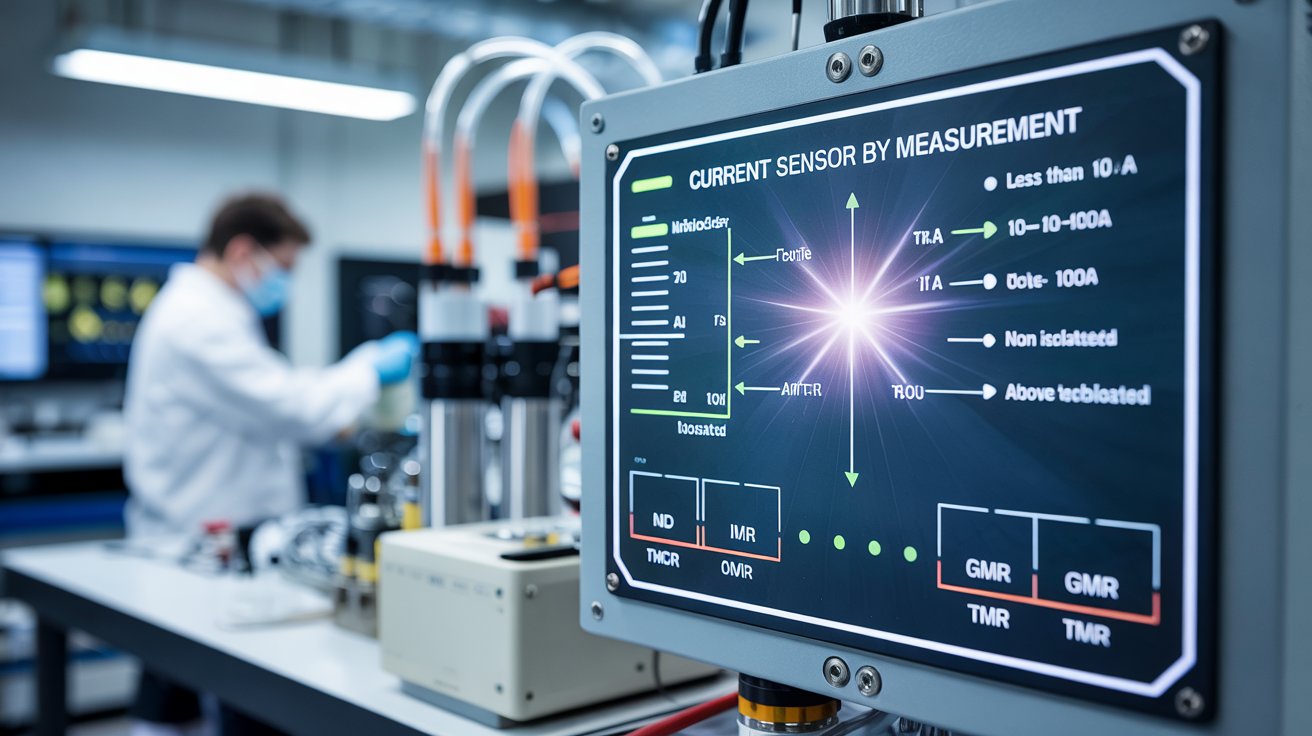
The integration of current sensors into power electronic modules is another important trend shaping the market. Instead of being standalone components, current sensors are increasingly being embedded directly into power modules and integrated circuits. This approach reduces system complexity, improves performance, and enhances reliability. Integrated solutions also enable better thermal management and faster response times, which are critical for high-performance applications. As system designers seek more compact and efficient solutions, the adoption of integrated current sensing technologies is expected to increase.
Energy efficiency and sustainability are key factors driving the integration of current sensors with power electronics. Accurate current measurement allows for better control and optimization of energy usage, reducing losses and improving overall system efficiency. In applications such as smart grids, electric vehicles, and industrial systems, current sensors enable real-time monitoring and adjustment of power flow, supporting energy-saving initiatives. As governments and organizations implement stricter energy efficiency standards, the demand for advanced current sensing solutions is expected to rise.
Digitalization and the integration of smart technologies are also enhancing the role of current sensors in power electronic systems. Modern current sensors are equipped with digital interfaces that enable communication with control systems, microcontrollers, and cloud platforms. This connectivity allows for real-time data analysis, predictive maintenance, and remote monitoring. The combination of power electronics and digital current sensing is enabling the development of intelligent systems that can adapt to changing conditions and optimize performance dynamically.
View detailed Table of Content here – https://www.marketsandmarkets.com/Market-Reports/current-sensor-market-26656433.html
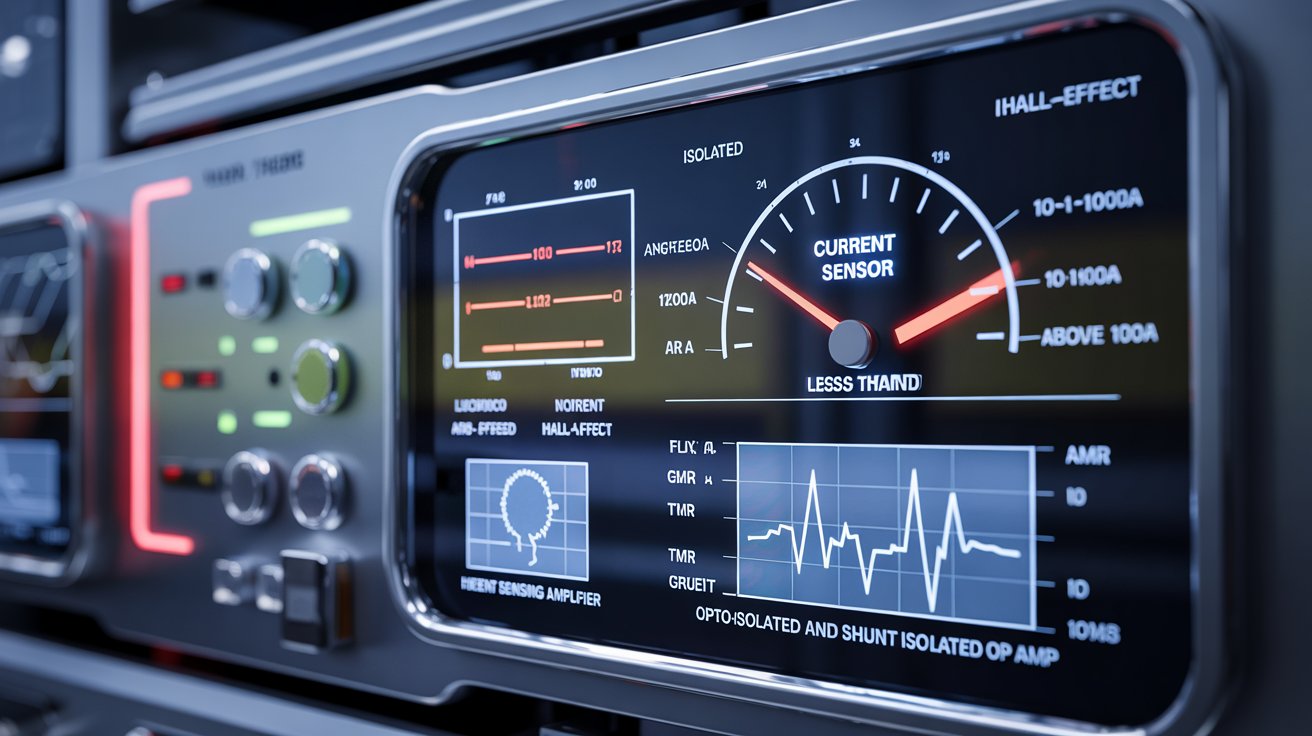 Safety and reliability are critical considerations in power electronic applications, and current sensors play a vital role in ensuring both. Overcurrent conditions, short circuits, and electrical faults can cause significant damage to systems and pose safety risks. Current sensors enable early detection of these issues, allowing for timely intervention and protection. Advanced sensing technologies with isolation capabilities are particularly important in high-voltage applications, where safety is a top priority. As power electronic systems become more complex, the need for reliable current sensing solutions continues to grow.
Despite the strong growth outlook, challenges such as cost, design complexity, and environmental factors must be addressed. High-performance current sensors often require advanced materials and manufacturing processes, which can increase costs. Additionally, ensuring consistent performance under varying conditions, such as temperature fluctuations and electromagnetic interference, is essential for reliable operation. Manufacturers are investing in research and development to overcome these challenges and deliver cost-effective, high-performance solutions.
The integration of power electronics is a major driver of growth in the current sensor market. As power electronic systems become more prevalent and sophisticated, the demand for accurate, reliable, and efficient current sensing solutions is increasing across industries. Advances in semiconductor technologies, system integration, and digital connectivity are further enhancing the capabilities of current sensors. As the global focus on electrification, energy efficiency, and automation continues, current sensors will play a crucial role in supporting the evolution of power electronic systems and driving sustained market growth.