
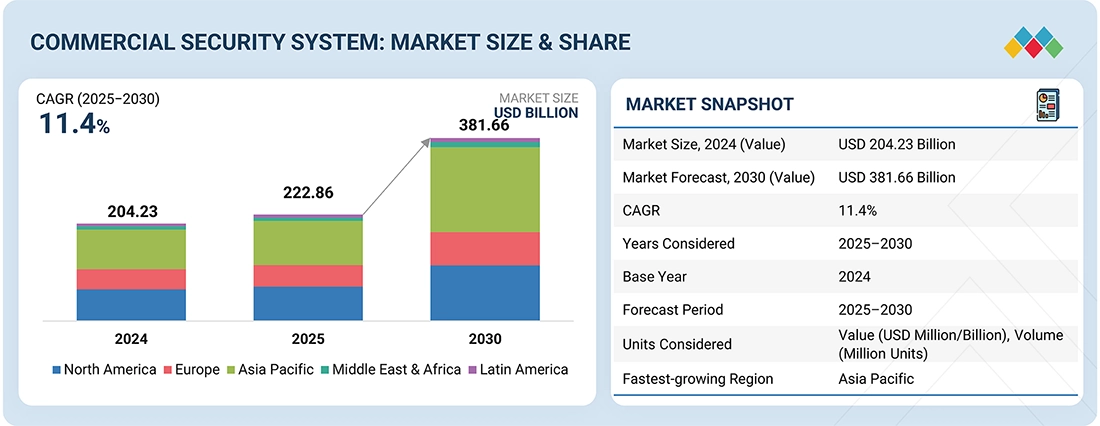
The Commercial Security System Market is experiencing substantial growth in industrial and manufacturing facilities, driven by the increasing need to protect critical infrastructure, ensure worker safety, and maintain uninterrupted operations. As manufacturing environments become more complex and digitally connected, the demand for advanced, integrated security solutions is rising rapidly. Industrial facilities face a wide range of risks, including theft, sabotage, cyberattacks, and operational hazards, making comprehensive security systems a vital component of modern manufacturing strategies. These evolving requirements are shaping key trends that are driving the adoption of commercial security systems in this sector.
One of the most significant trends is the integration of physical security systems with industrial automation and digital infrastructure. Modern manufacturing facilities are increasingly adopting connected technologies, including smart machinery, robotics, and Industrial Internet of Things devices. This connectivity enhances efficiency but also introduces new vulnerabilities. As a result, security systems are being integrated with operational technologies to create unified platforms that can monitor both physical and digital activities. This convergence enables real-time visibility, improved risk management, and enhanced coordination between security and operational teams.
Download PDF Brochure @ https://www.marketsandmarkets.com/pdfdownloadNew.asp?id=234307144
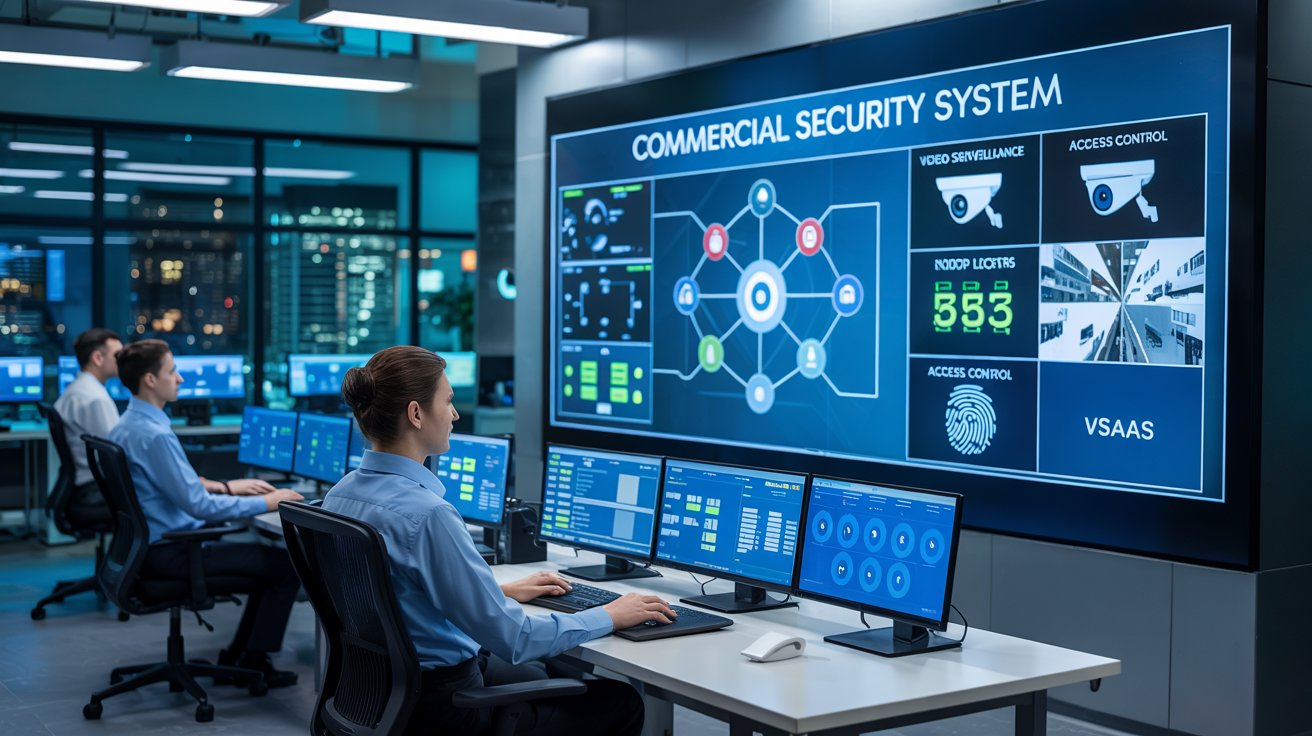
Advanced video surveillance systems are playing a central role in industrial security. High-definition cameras, thermal imaging, and intelligent video analytics are being deployed to monitor production lines, storage areas, and perimeter zones. These systems provide real-time insights into facility operations and can detect unusual activities such as unauthorized access, equipment tampering, or safety violations. The use of artificial intelligence in video analytics is further enhancing capabilities by enabling automated threat detection, behavior analysis, and predictive monitoring. This reduces the reliance on manual oversight and improves overall security efficiency.
Access control systems are also evolving to meet the specific needs of industrial environments. Traditional key-based systems are being replaced by advanced solutions such as biometric authentication, smart cards, and mobile-based access controls. These technologies ensure that only authorized personnel can access sensitive areas such as control rooms, warehouses, and hazardous zones. Role-based access control is becoming increasingly common, allowing organizations to define and manage access permissions based on job functions. This not only enhances security but also supports compliance with safety regulations and industry standards.
Perimeter security is another critical focus area in industrial and manufacturing facilities. These sites often span large areas and may be located in remote or high-risk regions, making them vulnerable to unauthorized entry and external threats. Advanced perimeter security solutions, including motion sensors, intrusion detection systems, and automated surveillance, are being deployed to secure facility boundaries. Integration with centralized monitoring platforms allows for real-time alerts and rapid response to potential breaches, ensuring comprehensive protection of assets and infrastructure.
Inquiry Before Buying @ https://www.marketsandmarkets.com/Enquiry_Before_BuyingNew.asp?id=234307144
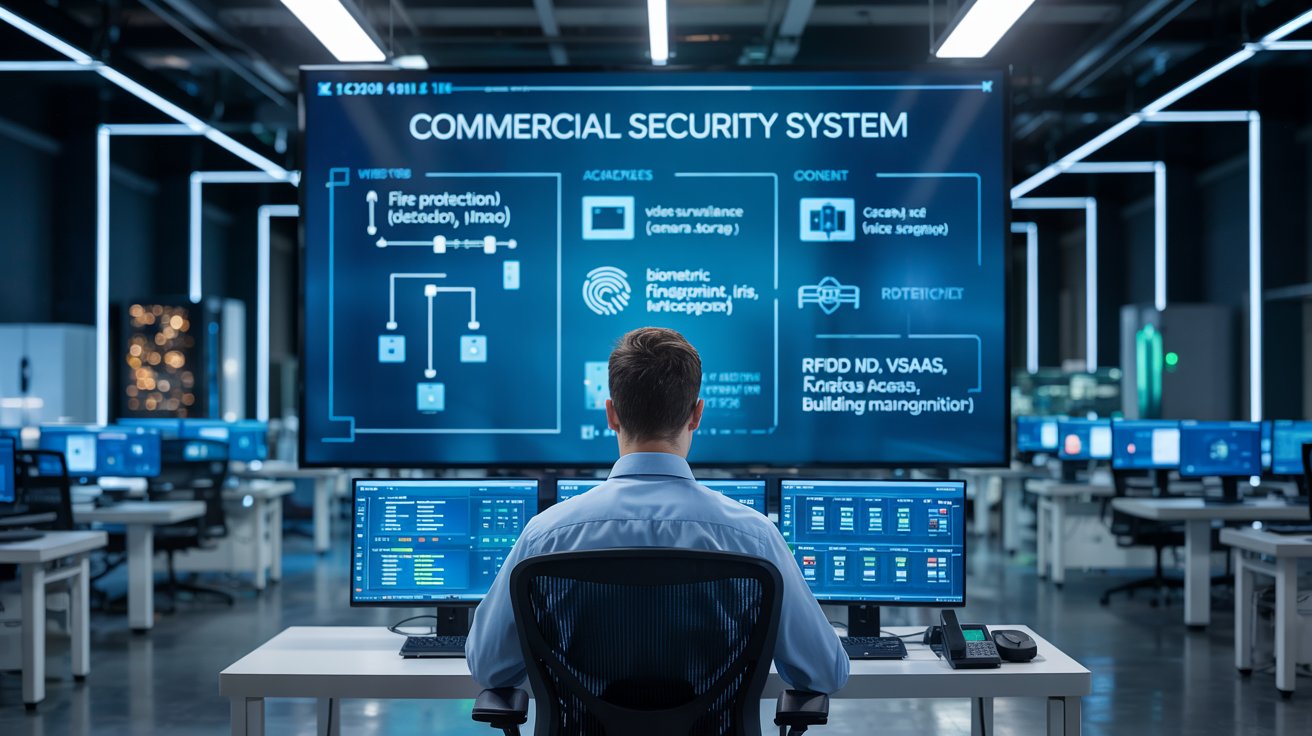
The adoption of cybersecurity measures within physical security systems is becoming increasingly important in industrial settings. As security devices become network-connected, they are exposed to cyber threats that can compromise system integrity and disrupt operations. Organizations are implementing cyber-physical security strategies that combine traditional security measures with advanced cybersecurity protocols. This includes encryption, secure communication networks, and intrusion detection systems that protect both physical and digital assets. The growing awareness of cyber risks is driving investment in integrated security solutions that can address these challenges effectively.
Cloud-based security platforms are gaining traction in industrial environments due to their scalability and centralized management capabilities. These platforms enable organizations to monitor multiple facilities from a single interface, providing real-time access to security data and analytics. Cloud solutions also support remote monitoring, allowing security teams to respond quickly to incidents regardless of location. The ability to store and analyze large volumes of data in the cloud is enhancing decision-making and enabling predictive security strategies.
Worker safety is a key driver of security system adoption in manufacturing facilities. Security systems are increasingly being used to monitor compliance with safety protocols, detect hazardous conditions, and ensure the well-being of employees. For example, surveillance systems can identify unsafe behavior or equipment malfunctions, while sensors can monitor environmental conditions such as temperature, gas levels, and air quality. These capabilities help organizations prevent accidents, reduce downtime, and maintain a safe working environment.
The integration of security systems with enterprise resource planning and building management systems is another emerging trend. This integration allows organizations to align security operations with broader business processes, improving efficiency and coordination. For instance, access control systems can be linked with employee databases to automate authentication processes, while surveillance data can be used to optimize workflow and resource allocation. This holistic approach to security management is becoming increasingly important as organizations seek to maximize operational efficiency.
View detailed Table of Content here – https://www.marketsandmarkets.com/Market-Reports/commercial-security-system-market-234307144.html
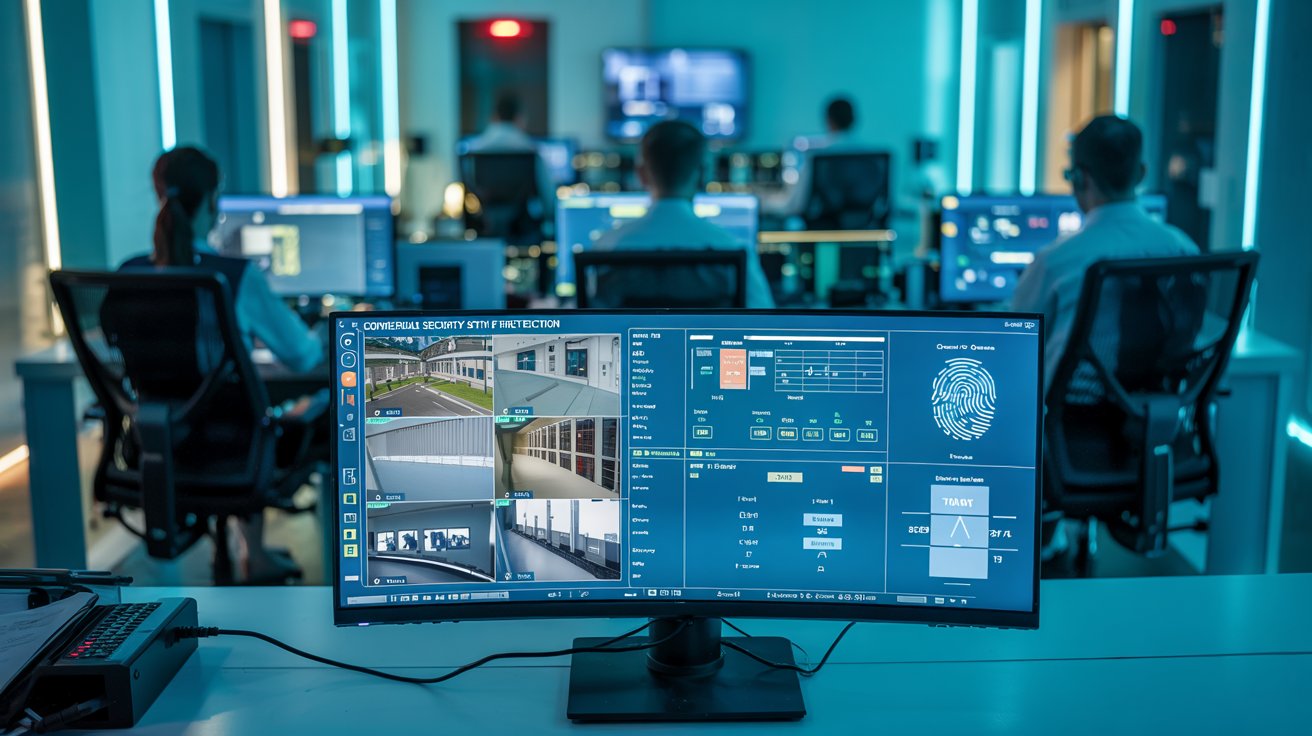 Automation and predictive analytics are also transforming security operations in industrial facilities. By leveraging data from sensors, cameras, and connected devices, organizations can identify patterns and predict potential security incidents before they occur. Predictive maintenance of security equipment is also becoming more common, ensuring that systems remain operational and reducing the risk of failures. These advanced capabilities are enhancing the effectiveness of security systems and supporting proactive risk management.
Despite the numerous advancements, challenges such as high implementation costs, system complexity, and integration issues remain. Industrial facilities often require customized solutions tailored to their specific needs, which can increase costs and complexity. Additionally, ensuring interoperability between different systems and technologies can be challenging. However, ongoing technological advancements and the development of standardized solutions are helping to address these issues and facilitate wider adoption.
The commercial security system market in industrial and manufacturing facilities is being shaped by trends such as system integration, advanced surveillance, cybersecurity convergence, and the adoption of cloud and IoT technologies. These trends are enabling organizations to enhance security, improve operational efficiency, and ensure worker safety in increasingly complex environments. As industrial facilities continue to embrace digital transformation, the demand for intelligent and integrated security systems is expected to grow, driving long-term expansion in the commercial security system market.