
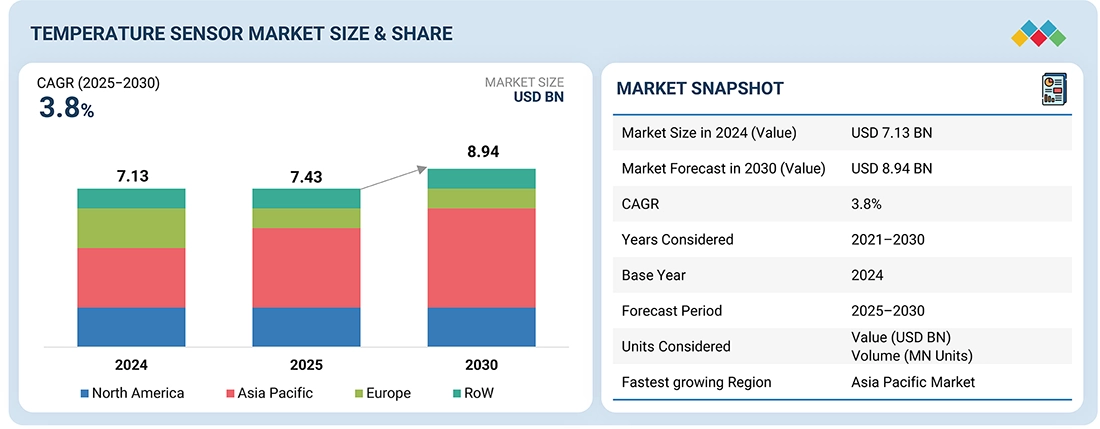
The global Temperature Sensor Market is witnessing strong expansion in emerging economies, driven by rapid industrialization, urbanization, and increasing adoption of advanced technologies across multiple sectors. Countries in regions such as Asia-Pacific, Latin America, the Middle East, and parts of Africa are experiencing accelerated economic development, which is creating significant demand for temperature sensing solutions. These economies are investing heavily in infrastructure, manufacturing, healthcare, and energy systems, all of which rely on accurate and reliable temperature monitoring to ensure efficiency, safety, and performance.
One of the primary factors contributing to market growth in emerging economies is the expansion of industrial manufacturing. Governments in these regions are promoting industrial development through policies and incentives aimed at boosting domestic production and attracting foreign investment. As a result, industries such as chemicals, food processing, pharmaceuticals, and electronics manufacturing are growing rapidly. Temperature sensors play a crucial role in these sectors by enabling precise process control and quality assurance. The increasing adoption of automation and digital manufacturing technologies is further driving the demand for advanced temperature sensing solutions.
Download PDF Brochure @ https://www.marketsandmarkets.com/pdfdownloadNew.asp?id=522
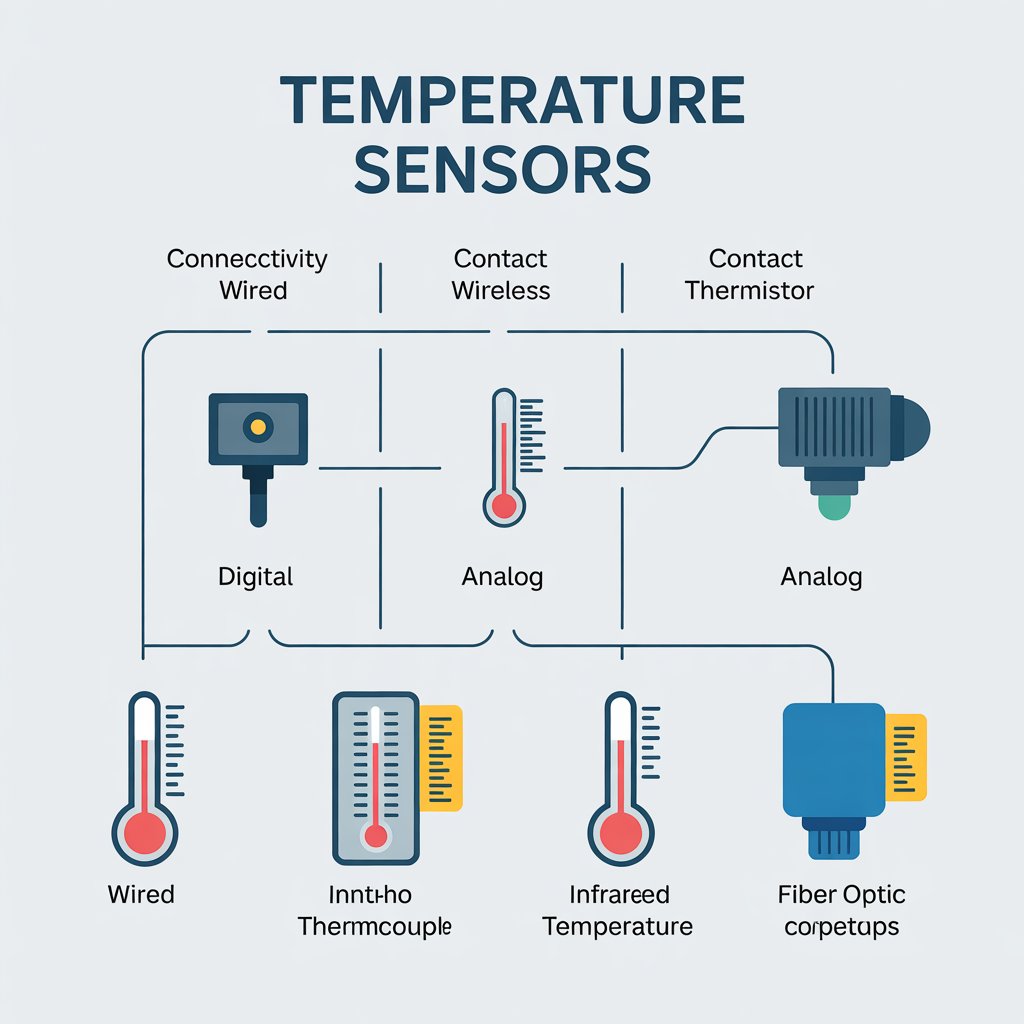 Urbanization is another key driver influencing the temperature sensor market in emerging economies. Rapid population growth and migration to urban areas are leading to the development of smart cities and modern infrastructure. Temperature sensors are widely used in building management systems, heating, ventilation, and air conditioning systems, and energy management solutions to optimize performance and improve energy efficiency. As cities become more connected and technologically advanced, the demand for integrated sensing solutions is expected to rise significantly.
The healthcare sector in emerging economies is also undergoing substantial transformation, contributing to increased adoption of temperature sensors. Governments and private organizations are investing in healthcare infrastructure to improve access and quality of medical services. Temperature sensors are essential in medical devices, diagnostic equipment, and pharmaceutical storage systems. The growing emphasis on vaccine distribution and cold chain logistics has further highlighted the importance of accurate temperature monitoring. As healthcare systems modernize, the demand for reliable and cost-effective temperature sensors is expected to increase.
The automotive industry, particularly the growth of electric vehicles, is another important factor driving market expansion in emerging economies. Countries such as China and India are investing heavily in electric mobility to reduce emissions and dependence on fossil fuels. Temperature sensors are critical for battery management systems, power electronics, and thermal control in electric vehicles. As the adoption of electric vehicles accelerates, the demand for high-performance temperature sensors in these markets is expected to grow significantly.
Inquiry Before Buying @ https://www.marketsandmarkets.com/Enquiry_Before_BuyingNew.asp?id=522
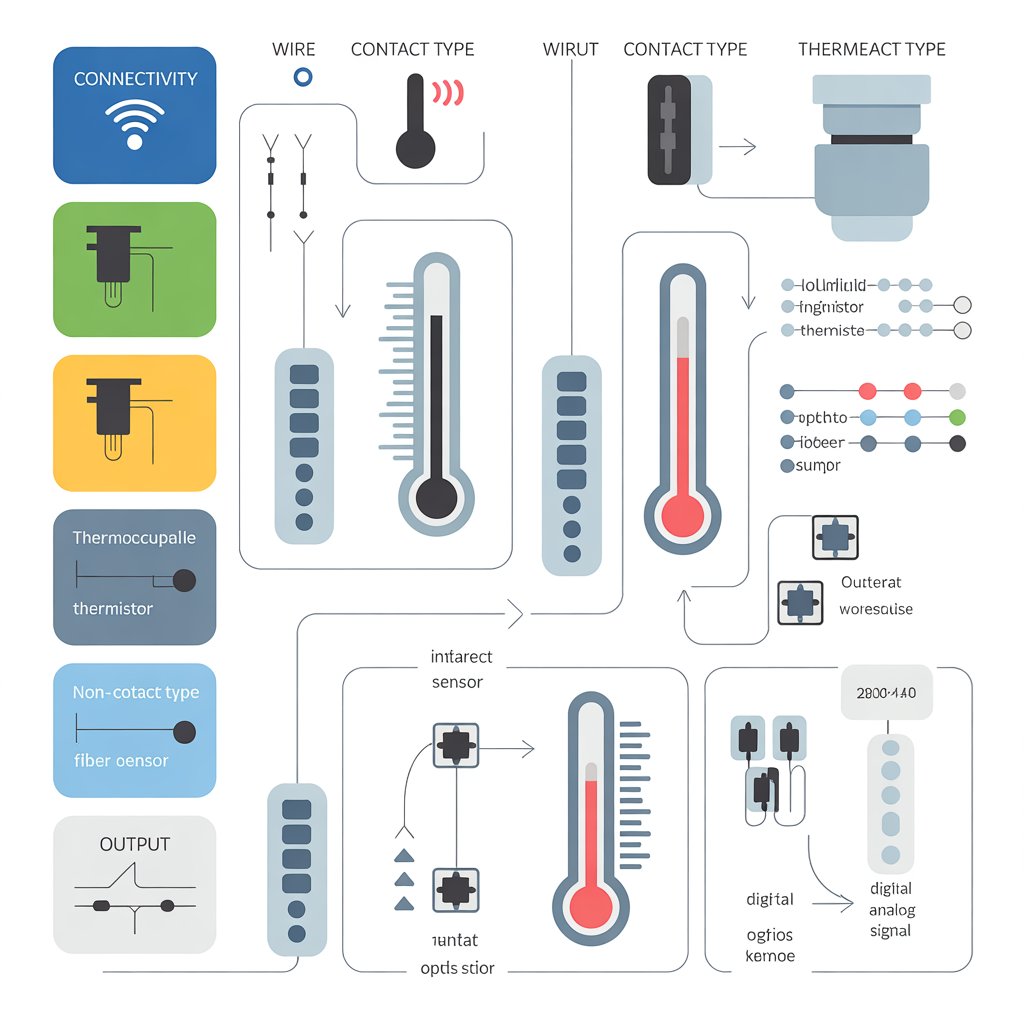 Energy and utilities sectors are also contributing to the growth of the temperature sensor market. Emerging economies are focusing on expanding their energy infrastructure to meet increasing demand. This includes investments in renewable energy sources such as solar and wind power, as well as upgrades to traditional power generation systems. Temperature sensors are used to monitor and control equipment in power plants, energy storage systems, and distribution networks. Accurate temperature monitoring helps improve efficiency, prevent equipment failures, and ensure reliable energy supply.
The adoption of Internet of Things technologies is further enhancing the growth of the temperature sensor market in emerging economies. Connected sensors enable real-time monitoring and data analysis, allowing organizations to optimize operations and improve decision-making. IoT-enabled temperature sensors are being used in applications such as smart agriculture, logistics, and environmental monitoring. For example, in agriculture, temperature sensors help monitor soil and environmental conditions to improve crop yield and resource efficiency. This integration of sensing and connectivity is opening new opportunities for market expansion.
Cost sensitivity is a significant factor shaping the market dynamics in emerging economies. While there is strong demand for advanced technologies, affordability remains a key consideration for businesses and consumers. Manufacturers are focusing on developing cost-effective temperature sensors that deliver reliable performance without significantly increasing costs. The use of standardized components, scalable manufacturing processes, and local production capabilities is helping to reduce prices and increase accessibility.
View detailed Table of Content here – https://www.marketsandmarkets.com/Market-Reports/temperature-sensor-market-522.html
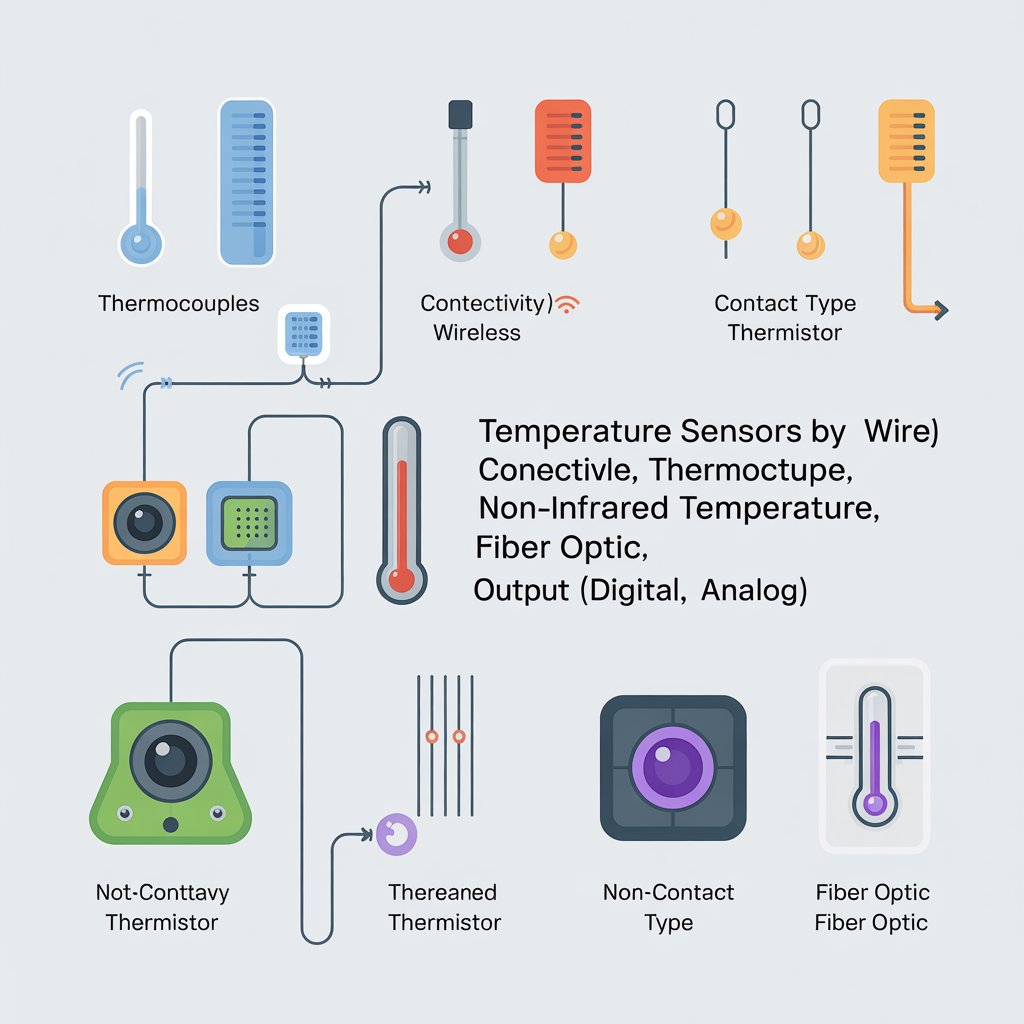 Government initiatives and regulatory frameworks are also playing a crucial role in supporting market growth. Many emerging economies are implementing policies to promote energy efficiency, industrial automation, and digital transformation. These initiatives often include incentives for adopting advanced technologies, including temperature sensors. Additionally, regulations related to food safety, healthcare standards, and environmental monitoring are driving the need for accurate temperature measurement solutions.
Despite the positive growth outlook, challenges such as infrastructure limitations, lack of technical expertise, and supply chain constraints remain. In some regions, limited access to advanced technologies and skilled workforce can hinder adoption. However, ongoing investments in education, technology transfer, and infrastructure development are helping to address these challenges and support long-term growth.
Emerging economies are becoming key growth drivers for the global temperature sensor market. Rapid industrialization, urban development, healthcare expansion, and adoption of advanced technologies are creating significant demand for temperature sensing solutions. While challenges remain, continued investment and innovation are expected to drive sustained market expansion. As these economies continue to develop and integrate modern technologies, temperature sensors will play an increasingly important role in supporting efficiency, safety, and technological advancement across various sectors.