
The growing adoption of microgrid systems across the globe is significantly influencing the expansion of the Battery Energy Storage System Market. Microgrids, which are localized energy networks capable of operating independently or in conjunction with the main grid, are increasingly being deployed to enhance energy reliability, resilience, and efficiency. At the core of these systems, battery energy storage systems are playing a vital role in stabilizing power supply, managing energy flows, and enabling the seamless integration of renewable energy sources. As energy systems evolve to become more decentralized and sustainable, the role of battery storage within microgrids is becoming increasingly critical.
One of the key trends driving the adoption of battery energy storage systems in microgrid applications is the rising demand for energy resilience. With the increasing frequency of natural disasters, grid failures, and power outages, there is a growing need for reliable backup power solutions. Microgrids equipped with battery storage can operate autonomously during grid disruptions, ensuring continuous power supply to critical infrastructure such as hospitals, data centers, military facilities, and emergency services. This capability is driving investments in microgrid projects, thereby boosting demand for advanced battery storage technologies.
Download PDF Brochure @ https://www.marketsandmarkets.com/pdfdownloadNew.asp?id=112809494
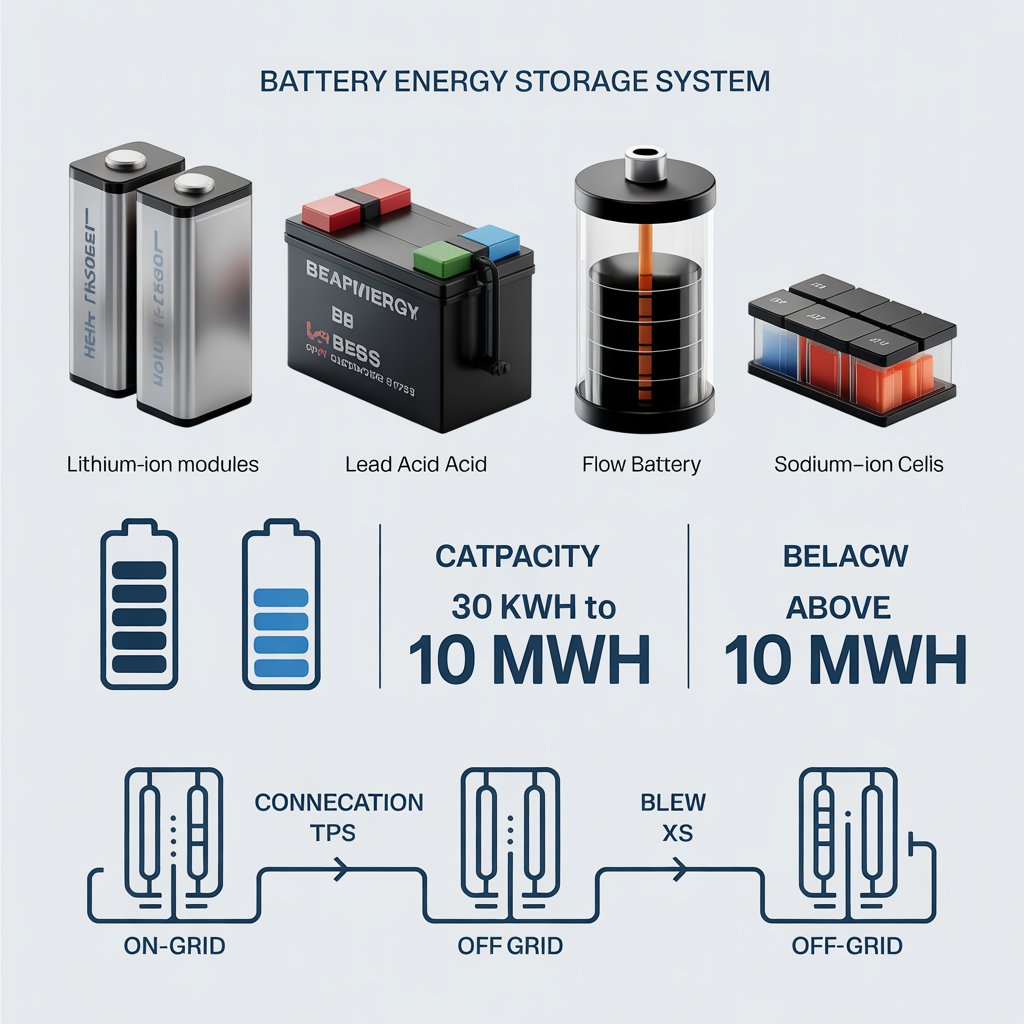
The integration of renewable energy sources such as solar and wind into microgrids is another major trend shaping the battery energy storage system market. Renewable energy generation is inherently variable, and without proper management, it can lead to instability in power supply. Battery storage systems address this challenge by storing excess energy generated during periods of high production and releasing it during periods of low generation. This ensures a stable and consistent energy supply within microgrids, enabling higher penetration of clean energy and reducing dependence on fossil fuels.
Decentralization of energy systems is further accelerating the adoption of battery storage in microgrid applications. Traditional centralized power generation models are gradually being replaced by distributed energy systems that generate and consume power closer to the point of use. Microgrids are a key component of this transition, allowing communities, campuses, and industrial facilities to manage their own energy needs. Battery energy storage systems enhance the functionality of microgrids by providing flexibility, enabling load balancing, and optimizing energy consumption. This shift toward decentralized energy systems is expected to drive significant growth in the battery storage market.
Technological advancements are also playing a crucial role in shaping market trends. Improvements in battery technologies, such as enhanced energy density, longer lifecycle, and improved safety features, are making storage systems more efficient and cost-effective. In addition, the development of advanced energy management systems is enabling better control and optimization of microgrid operations. These systems use real-time data and predictive analytics to manage energy generation, storage, and consumption, ensuring optimal performance and reducing operational costs. As technology continues to evolve, the integration of battery storage in microgrids will become more seamless and efficient.
Inquiry Before Buying @ https://www.marketsandmarkets.com/Enquiry_Before_BuyingNew.asp?id=112809494
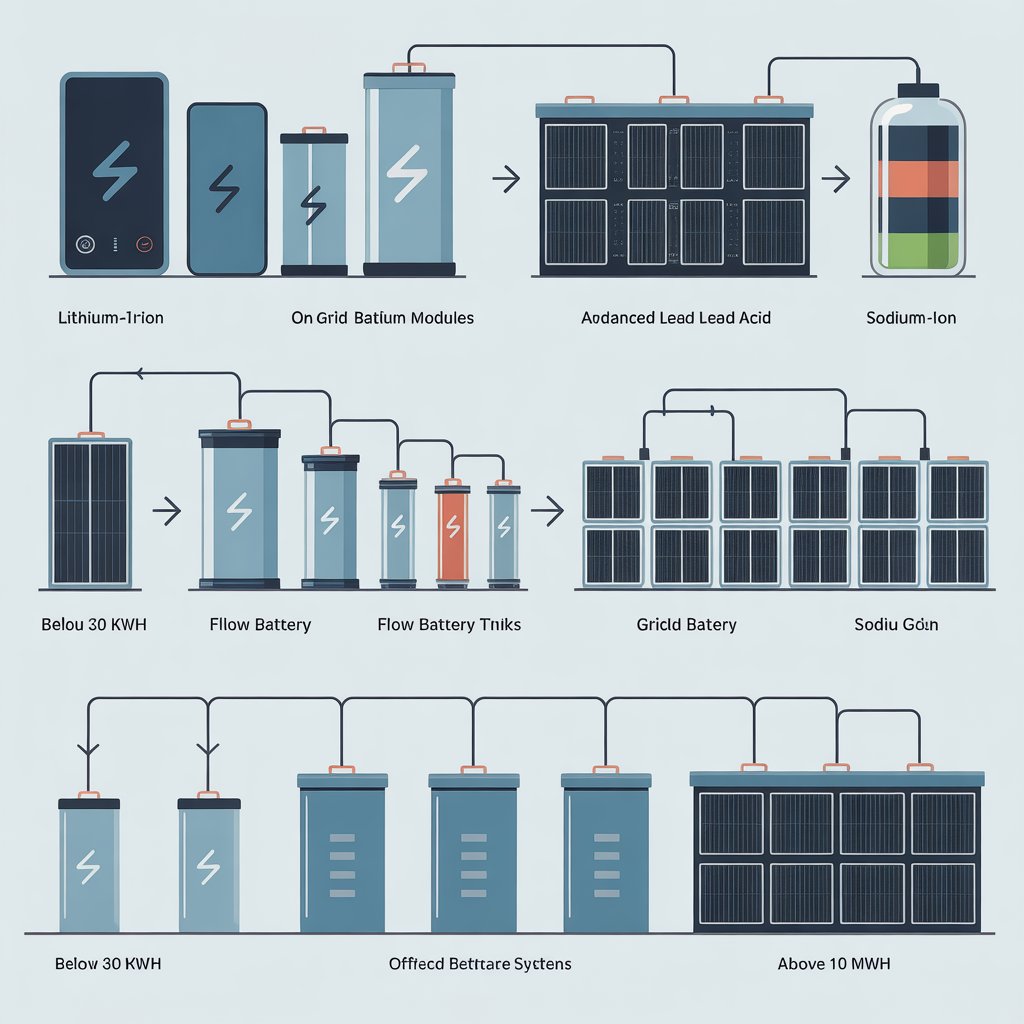
Another important trend is the increasing adoption of microgrids in remote and off-grid areas. In regions where access to centralized grid infrastructure is limited or unreliable, microgrids provide a practical and sustainable solution for electrification. Battery energy storage systems are essential in these applications, as they ensure a continuous power supply even when renewable energy generation is inconsistent. This is particularly important for rural communities, mining operations, and island regions, where reliable electricity is crucial for economic development and quality of life. The growing focus on rural electrification and energy access is expected to drive further adoption of battery storage in microgrid systems.
Commercial and industrial sectors are also embracing microgrid solutions to improve energy efficiency and reduce costs. Businesses are increasingly investing in microgrids with integrated battery storage to manage energy demand, reduce peak load charges, and ensure uninterrupted operations. Battery storage allows companies to store energy during off-peak hours and use it during peak demand periods, resulting in significant cost savings. Additionally, microgrids provide a level of energy independence, protecting businesses from fluctuations in energy prices and grid instability.
Government initiatives and policy support are playing a significant role in promoting the adoption of microgrids and battery energy storage systems. Many countries are implementing policies and incentives to encourage the deployment of clean and resilient energy systems. Funding programs, tax incentives, and regulatory frameworks are being introduced to support microgrid development and integration of energy storage technologies. These initiatives are creating a favorable environment for market growth and attracting investments from both public and private sectors.
View detailed Table of Content here – https://www.marketsandmarkets.com/Market-Reports/battery-energy-storage-system-market-112809494.html
Environmental sustainability is another key factor driving trends in microgrid applications. As the global focus on reducing carbon emissions intensifies, there is a growing emphasis on adopting clean energy solutions. Microgrids with integrated battery storage enable the efficient use of renewable energy, reducing reliance on diesel generators and other fossil fuel-based power sources. This not only lowers greenhouse gas emissions but also contributes to achieving sustainability goals set by governments and organizations worldwide.
Looking ahead, the future of the battery energy storage system market in microgrid applications appears highly promising. The convergence of renewable energy integration, technological innovation, and supportive policy frameworks is expected to drive widespread adoption of microgrid solutions. As energy systems continue to evolve toward decentralization and sustainability, battery storage will remain a critical component in enabling efficient and reliable microgrid operations.
Battery energy storage systems are at the forefront of the transformation taking place in microgrid applications. Their ability to enhance energy resilience, support renewable integration, and optimize energy management is driving their increasing adoption across various sectors. With ongoing advancements and growing investments, battery storage is set to play a pivotal role in shaping the future of microgrids and the broader energy landscape.