
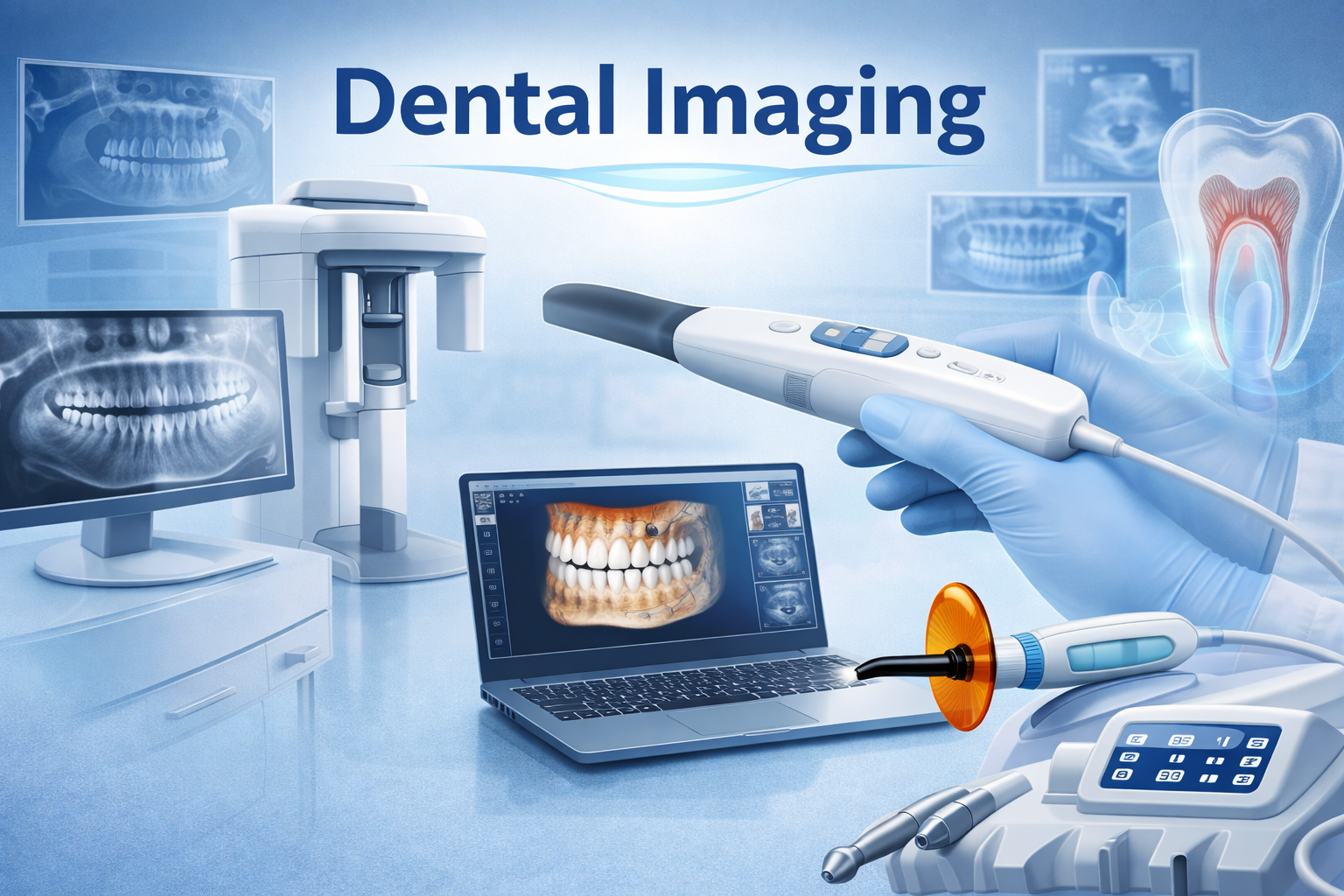
The dental imaging market is projected to reach USD 4.69 billion by 2030 from USD 3.08 billion in 2024, at a CAGR of 7.5 % from 2025 to 2030. Dental imaging systems provide images of the teeth, which helps dentists in evaluating a patient’s oral health. These systems provide high-quality image acquisition in a short period of time and enable less exposure to radiation It helps dentists diagnose and monitor oral health conditions, such as cavities, bone loss, and impacted teeth. Common technologies include X-rays, intraoral cameras, and cone beam CT scans. These systems improve accuracy in treatment planning and patient care.
What is Dental Imaging?
Dental imaging refers to the use of various technologies to create visual representations of teeth, gums, and surrounding oral structures. These images help dentists identify issues that are not visible during a routine clinical examination.
Request Sample Pages : https://www.marketsandmarkets.com/requestsampleNew.asp?id=109621591
Types of Dental Imaging Technologies
1. Intraoral X-rays
Intraoral X-rays are the most common form of dental imaging, providing detailed images of individual teeth.
- Bitewing X-rays
- Periapical X-rays
- Occlusal X-rays
Use cases: Detect cavities, bone loss, and infections.
2. Extraoral X-rays
These capture the entire mouth rather than individual teeth.
- Panoramic X-rays
- Cephalometric projections
Use cases: Evaluate jaw alignment, impacted teeth, and developmental issues.
3. Cone Beam Computed Tomography (CBCT)
CBCT provides 3D imaging of dental structures, soft tissues, nerve pathways, and bone.
Key benefits:
- High precision
- Essential for implant planning
- Improved surgical outcomes
4. Digital Dental Imaging
Digital imaging replaces traditional film with digital sensors.
Advantages:
- Faster results
- Reduced radiation exposure
- Easy storage and sharing
5. Optical Imaging and Intraoral Cameras
These tools capture real-time images inside the mouth.
Benefits:
- Enhanced patient communication
- Better visualization of oral conditions
Key Benefits of Dental Imaging
Accurate Diagnosis
Dental imaging allows early detection of issues such as cavities, tumors, and periodontal disease.
Improved Treatment Planning
Advanced imaging helps dentists design precise treatment plans, especially for orthodontics and implants.
Minimally Invasive Procedures
Better visualization leads to targeted treatments, reducing patient discomfort.
Monitoring and Follow-Up
Dentists can track treatment progress over time using imaging comparisons.
Applications of Dental Imaging
- Implantology: Precise placement of dental implants
- Orthodontics: Alignment and jaw structure analysis
- Endodontics: Root canal treatment planning
- Periodontics: Gum disease evaluation
- Oral Surgery: Pre- and post-operative assessment
Latest Trends in Dental Imaging
Artificial Intelligence Integration
AI-powered imaging tools assist in detecting abnormalities with higher accuracy and speed.
3D Printing and Imaging Synergy
Integration with 3D printing allows customized dental prosthetics and surgical guides.
Cloud-Based Imaging Solutions
Cloud platforms enable easy storage, sharing, and remote consultation.
Portable Imaging Devices
Compact and mobile systems are improving accessibility in remote and underserved areas.
Challenges in Dental Imaging
- High cost of advanced imaging systems
- Need for skilled professionals
- Data security concerns in digital systems
Future Outlook of the Dental Imaging Market
The dental imaging market is expected to grow significantly due to increasing demand for cosmetic dentistry, rising oral health awareness, and technological advancements. Innovations such as AI, machine learning, and enhanced imaging software will continue to drive market expansion.
Make an Enquire to buy this Report @ https://www.marketsandmarkets.com/Enquiry_Before_BuyingNew.asp?id=109621591