
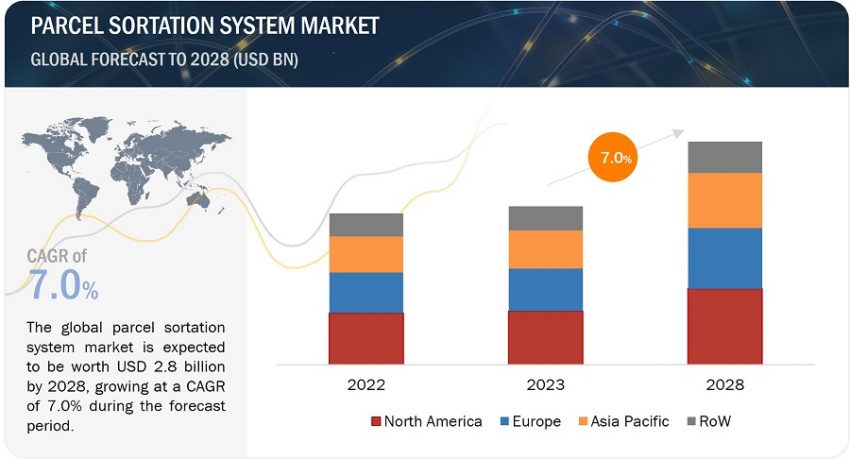
The global Parcel Sortation System Market is poised for significant transformation by 2028, driven by rapid technological advancements, evolving consumer expectations, and the continued expansion of e-commerce. As logistics networks become increasingly complex, companies are focusing on automation, intelligence, and scalability to manage growing parcel volumes efficiently. Future trends are shaping a new generation of sortation systems that are faster, smarter, and more adaptable, enabling logistics providers to remain competitive in a dynamic global environment.
One of the most influential trends transforming the market is the increasing adoption of artificial intelligence and advanced analytics. By 2028, sortation systems are expected to become highly intelligent, capable of making real-time decisions based on vast amounts of data. AI-driven algorithms will optimize sorting routes, predict demand fluctuations, and identify potential bottlenecks before they impact operations. This level of intelligence will significantly enhance efficiency and accuracy, allowing companies to process higher volumes of parcels with minimal errors and delays.
Download PDF Brochure @ https://www.marketsandmarkets.com/pdfdownloadNew.asp?id=131502194
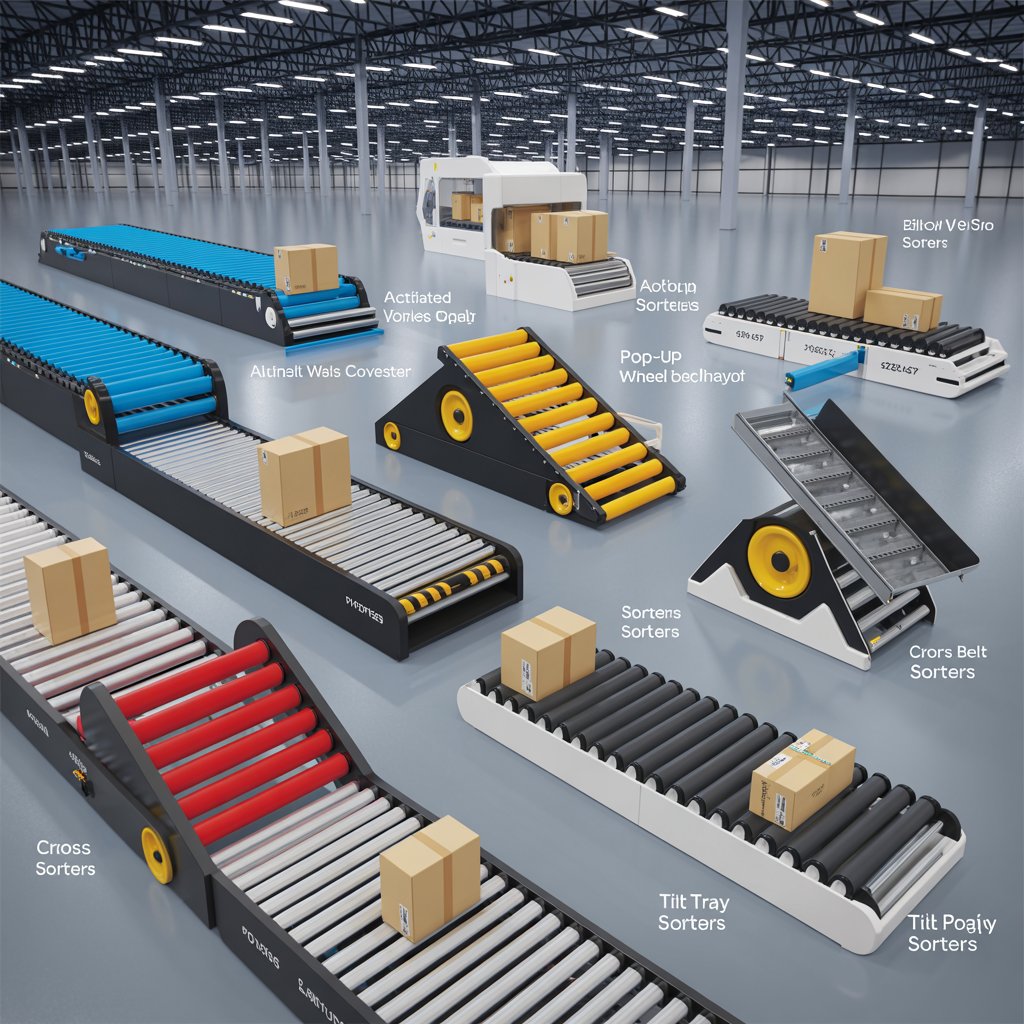
Automation will continue to be a central driver of market evolution, with the integration of robotics playing a key role. Autonomous mobile robots and robotic sorting arms are expected to become more prevalent in distribution centers, working alongside conveyor systems to handle parcel movement and sorting tasks. These robots will offer greater flexibility and adaptability, enabling logistics providers to reconfigure operations quickly in response to changing demand. The combination of robotics and automation will reduce reliance on manual labor and improve overall productivity, addressing challenges related to labor shortages and rising costs.
Another important trend is the development of smart and connected sortation systems powered by the Internet of Things. IoT-enabled devices will provide real-time visibility into parcel movement, system performance, and operational metrics. This connectivity will enable seamless communication between different components of the logistics network, creating a fully integrated ecosystem. By 2028, sortation systems are expected to be part of interconnected supply chains where data flows continuously, supporting better decision-making and operational efficiency.
The rise of cloud-based platforms is also expected to transform the parcel sortation system market. Cloud integration will allow companies to manage and monitor sortation operations remotely, access real-time data analytics, and scale their systems according to demand. This flexibility will be particularly beneficial for businesses operating across multiple locations, as it enables centralized control and improved coordination. As cloud technology becomes more advanced and secure, its adoption in the sortation system market is likely to increase significantly.
Inquiry Before Buying @ https://www.marketsandmarkets.com/Enquiry_Before_BuyingNew.asp?id=131502194
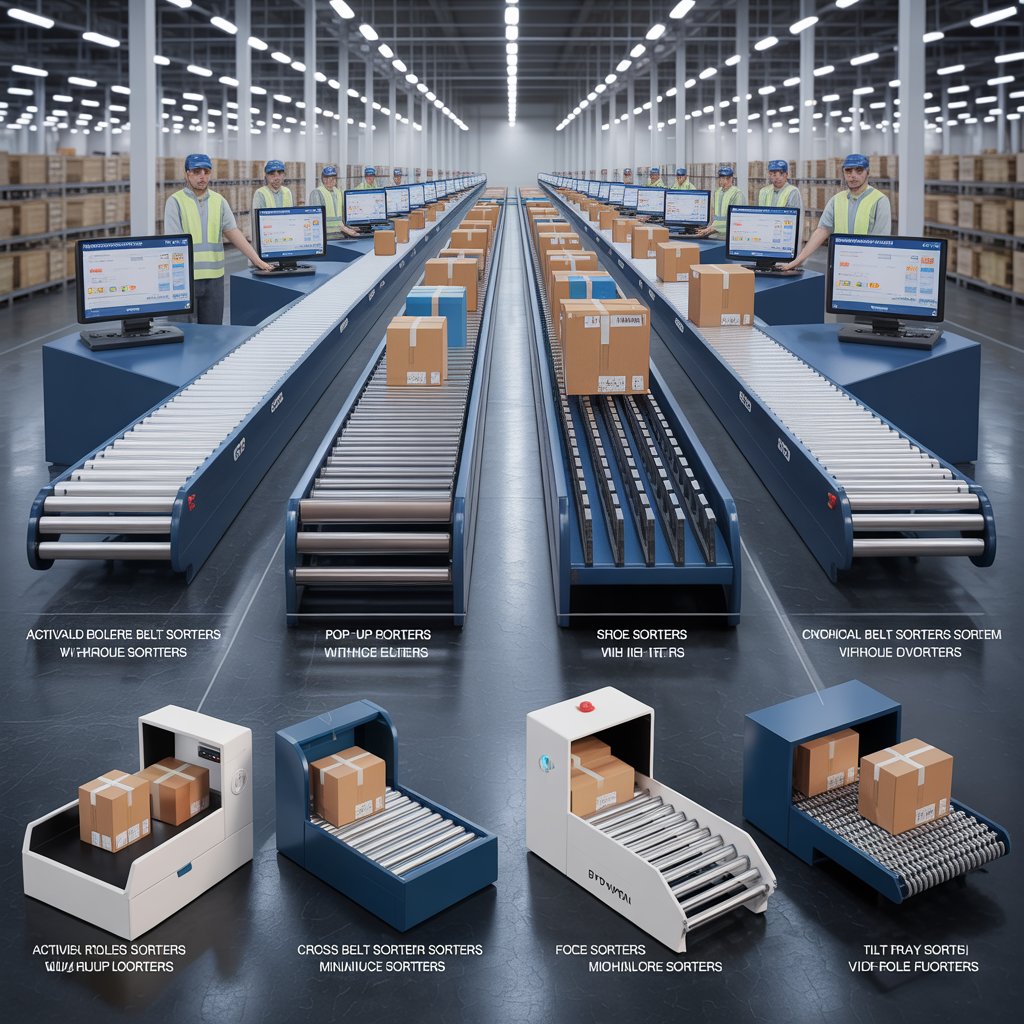
Sustainability will be a major focus shaping future trends in the market. Logistics providers are under increasing pressure to reduce their environmental impact and adopt greener practices. By 2028, parcel sortation systems are expected to incorporate energy-efficient technologies, optimized routing algorithms, and environmentally friendly materials. These systems will help reduce energy consumption, minimize waste, and lower carbon emissions. The emphasis on sustainability will not only drive innovation but also influence investment decisions and regulatory compliance.
The growth of last-mile delivery solutions will further influence the evolution of sortation systems. As urbanization continues and demand for faster delivery increases, logistics providers are investing in micro-fulfillment centers and localized distribution hubs. These facilities require compact, high-speed sortation systems that can operate efficiently in limited spaces. Future systems will be designed to support these decentralized networks, enabling faster and more accurate delivery to end customers. This trend will play a critical role in meeting the expectations of modern consumers.
Customization and modularity are also expected to become key trends in the market. Companies are increasingly seeking flexible solutions that can be tailored to their specific operational needs. Modular sortation systems allow businesses to expand or reconfigure their operations without significant disruption, providing greater agility in a rapidly changing environment. By 2028, the demand for customizable and scalable solutions is expected to grow, driven by the need to manage fluctuating parcel volumes and diverse logistics requirements.
View detailed Table of Content here – https://www.marketsandmarkets.com/Market-Reports/parcel-sortation-system-market-131502194.html
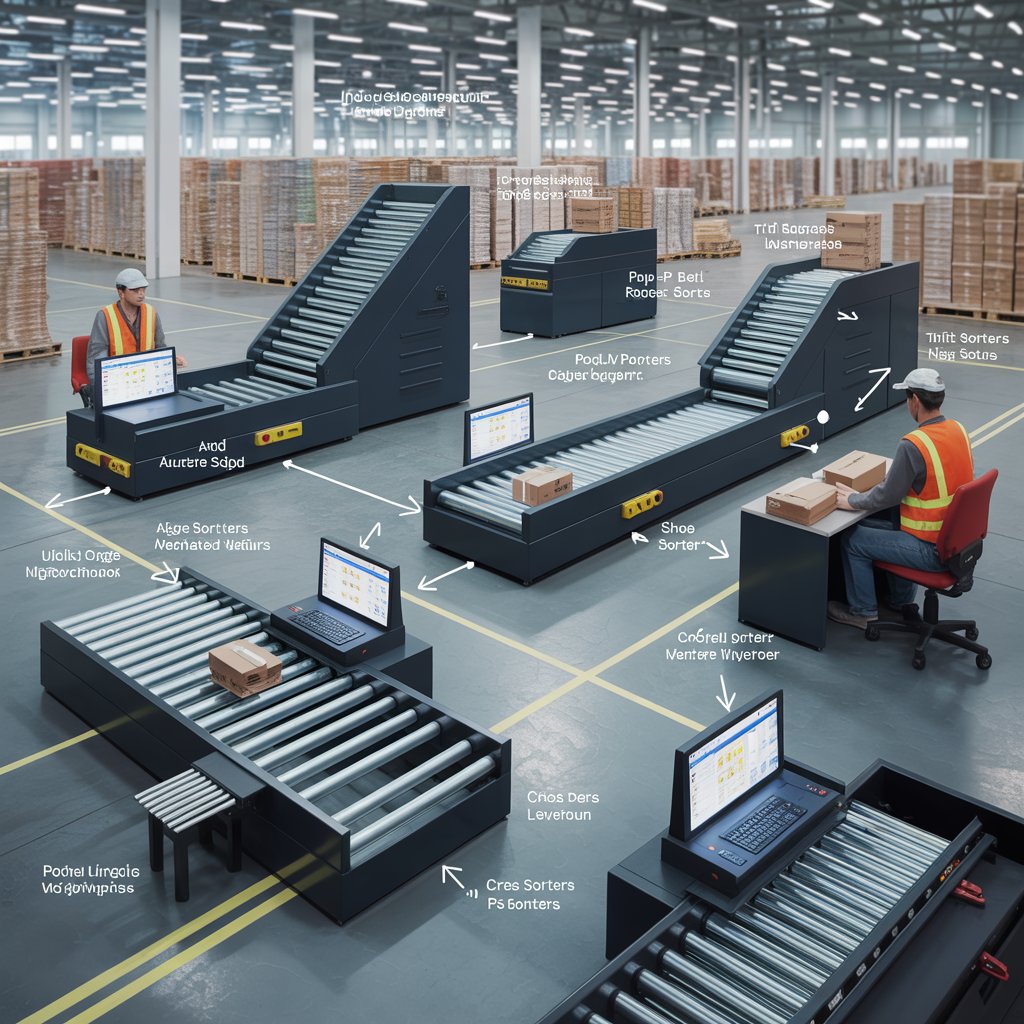
Advancements in high-speed sorting technologies will continue to enhance system performance and efficiency. Future sortation systems will be capable of processing even larger volumes of parcels at higher speeds while maintaining accuracy. Innovations in conveyor design, sorting mechanisms, and material handling will contribute to improved throughput and reliability. These advancements will be essential for supporting the increasing demands of global trade and e-commerce.
Despite the promising outlook, challenges such as high initial investment costs, integration complexities, and the need for skilled workforce will persist. However, ongoing technological advancements and the development of more cost-effective solutions are expected to mitigate these challenges. Companies will increasingly adopt phased implementation strategies and leverage partnerships to manage risks and maximize returns on investment.
The global parcel sortation system market is set to undergo significant transformation by 2028, driven by trends such as artificial intelligence, automation, IoT connectivity, cloud integration, and sustainability. These innovations will enable more efficient, flexible, and intelligent sorting operations, supporting the continued growth of the logistics industry. As companies adapt to evolving market demands, parcel sortation systems will play a critical role in shaping the future of global supply chains, ensuring faster, more reliable, and more sustainable delivery solutions.