
The industrial landscape is undergoing a profound transformation as it transitions from Industry 4.0 to Industry 5.0. While Industry 4.0 focused on automation, data exchange, and smart technologies, Industry 5.0 introduces a more human-centric approach. It emphasizes collaboration between humans and machines, sustainability, and resilience in production systems.
Industry 5.0 is not about replacing humans with machines—it is about leveraging advanced technologies such as artificial intelligence (AI), robotics, and the Internet of Things (IoT) to enhance human capabilities. This shift is redefining how industries operate, innovate, and deliver value. As a result, the Industry 5.0 market is gaining momentum, driven by evolving consumer demands, technological advancements, and global sustainability goals.
1. Human-Centric Manufacturing
One of the defining trends of Industry 5.0 is the focus on human-centric manufacturing. Unlike previous industrial revolutions that prioritized efficiency and automation, Industry 5.0 places human creativity, expertise, and well-being at the center of production processes.
Collaborative robots, or cobots, are a key example of this trend. These robots work alongside humans, assisting with repetitive or physically demanding tasks while allowing workers to focus on more complex and creative activities. This collaboration enhances productivity while improving job satisfaction and workplace safety.
2. Rise of Collaborative Robotics (Cobots)
Collaborative robots are becoming increasingly prevalent in modern manufacturing environments. Unlike traditional industrial robots that operate in isolation, cobots are designed to interact safely with humans.
They are equipped with sensors and AI capabilities that enable them to adapt to dynamic environments. This flexibility makes them ideal for small and medium-sized enterprises (SMEs) as well as large-scale industries. The adoption of cobots is helping businesses achieve greater efficiency, reduce operational costs, and improve production quality.
Download PDF Brochure @ https://www.marketsandmarkets.com/pdfdownloadNew.asp?id=35376359
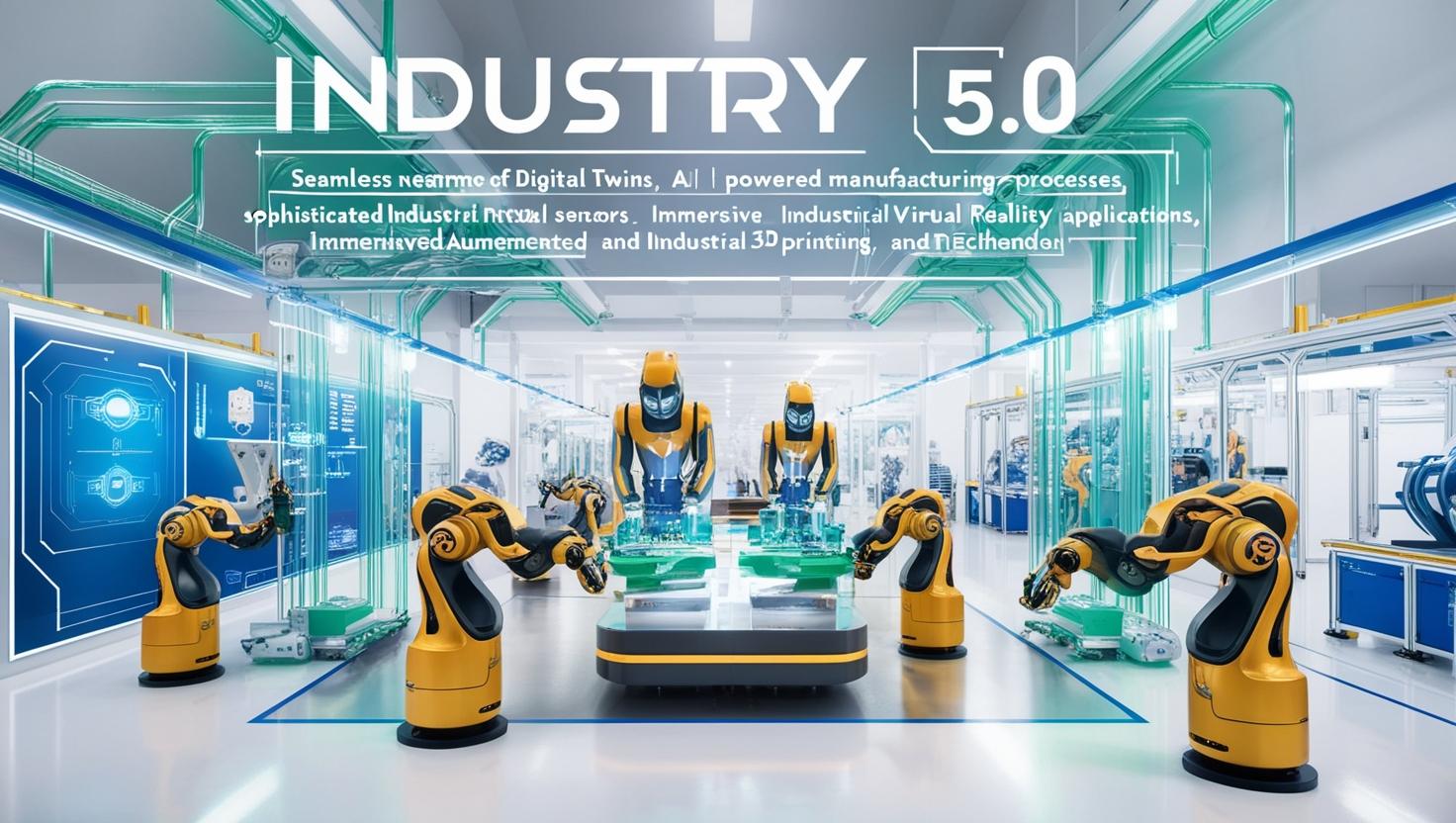
3. Integration of Artificial Intelligence and Advanced Analytics
Artificial intelligence and advanced data analytics are at the core of Industry 5.0. These technologies enable manufacturers to analyze vast amounts of data in real time, optimize processes, and make informed decisions.
AI-powered systems can predict equipment failures, optimize supply chains, and enhance product quality. Machine learning algorithms continuously improve performance by learning from data, enabling more efficient and adaptive production systems. This trend is driving innovation and competitiveness across industries.
4. Mass Personalization and Customization
Consumers today demand personalized products that meet their specific needs and preferences. Industry 5.0 enables mass customization by combining automation with human creativity.
Advanced manufacturing technologies, such as 3D printing and flexible production systems, allow companies to produce customized products at scale. This capability not only enhances customer satisfaction but also creates new business opportunities and revenue streams.
5. Focus on Sustainability and Green Manufacturing
Sustainability is a central pillar of Industry 5.0. With increasing environmental concerns and regulatory pressures, industries are adopting eco-friendly practices to reduce their carbon footprint.
Smart manufacturing systems optimize resource usage, minimize waste, and improve energy efficiency. Renewable energy integration, circular economy models, and sustainable supply chains are becoming key components of modern production systems. Industry 5.0 aligns industrial growth with environmental responsibility.
6. Digital Twins and Virtual Simulation
Digital twin technology is transforming the way industries design, monitor, and optimize production processes. A digital twin is a virtual representation of a physical asset, system, or process.
By simulating real-world conditions, digital twins enable manufacturers to test scenarios, identify inefficiencies, and improve performance without disrupting operations. This technology enhances decision-making, reduces downtime, and accelerates innovation.
7. Resilient and Agile Supply Chains
The global disruptions in recent years have highlighted the importance of resilient supply chains. Industry 5.0 focuses on building agile and adaptable supply networks that can respond to changing market conditions.
Advanced technologies such as AI, IoT, and blockchain provide real-time visibility into supply chain operations. This enables companies to anticipate disruptions, optimize inventory, and ensure continuity. Resilience and flexibility are becoming critical competitive advantages.
8. Enhanced Workforce Skills and Upskilling
As Industry 5.0 technologies evolve, the demand for skilled workers is increasing. Organizations are investing in training and upskilling programs to prepare their workforce for the future of production.
Employees need to develop skills in areas such as data analytics, robotics, and digital technologies. Continuous learning and development are essential to ensure that workers can effectively collaborate with advanced systems and contribute to innovation.
9. Cybersecurity and Data Protection
With increased connectivity comes the risk of cyber threats. Industry 5.0 systems rely heavily on data exchange and digital infrastructure, making cybersecurity a top priority.
Companies are implementing robust security measures to protect sensitive information and ensure the integrity of their operations. This includes encryption, secure networks, and advanced threat detection systems. Building trust in digital systems is essential for the successful adoption of Industry 5.0 technologies.
10. Adoption of Edge Computing
Edge computing is gaining traction as a key enabler of Industry 5.0. By processing data closer to the source, edge computing reduces latency and improves real-time decision-making.
This technology is particularly useful in manufacturing environments where immediate responses are critical. Edge computing enhances efficiency, supports AI applications, and enables seamless integration of connected devices.
11. Smart and Connected Factories
The concept of smart factories is evolving with Industry 5.0. These factories leverage interconnected systems, automation, and real-time data to optimize production processes.
In Industry 5.0, smart factories are not only efficient but also adaptive and human-centric. They enable collaboration between humans and machines, creating a more flexible and responsive production environment.
12. Ethical and Inclusive Innovation
Industry 5.0 emphasizes ethical considerations and inclusivity in technological development. Companies are focusing on creating solutions that benefit society as a whole, rather than just maximizing profits.
This includes ensuring fair labor practices, promoting diversity, and addressing the social impact of automation. Ethical innovation is becoming a key factor in building sustainable and responsible industries.
Future Outlook
The Industry 5.0 market is poised for significant growth as organizations embrace human-centric, sustainable, and technologically advanced production models. The integration of AI, robotics, and digital technologies will continue to drive innovation and efficiency.
As industries adapt to changing consumer demands and global challenges, Industry 5.0 will play a crucial role in shaping the future of production. Companies that invest in these trends will be better positioned to achieve long-term success and competitiveness.
Conclusion
Industry 5.0 represents a new era of industrial transformation, where technology and human creativity work hand in hand. The key trends shaping this market—from collaborative robotics to sustainability and digital twins—are redefining how products are designed, manufactured, and delivered.
By embracing these trends, businesses can create more efficient, resilient, and sustainable production systems. The future of production lies in intelligent, human-centric, and environmentally responsible industries, making Industry 5.0 a cornerstone of modern innovation.
FAQs
1. What is Industry 5.0?
Industry 5.0 is the next phase of industrial evolution that focuses on collaboration between humans and machines, emphasizing sustainability, resilience, and human-centric production.
2. How is Industry 5.0 different from Industry 4.0?
While Industry 4.0 focuses on automation and digitalization, Industry 5.0 emphasizes human involvement, personalization, and sustainable practices.
3. What are collaborative robots (cobots)?
Cobots are robots designed to work alongside humans, assisting with tasks and enhancing productivity while ensuring safety.
4. Why is sustainability important in Industry 5.0?
Sustainability helps reduce environmental impact, optimize resource usage, and align industrial growth with global environmental goals.
5. What technologies drive Industry 5.0?
Key technologies include AI, IoT, robotics, digital twins, edge computing, and advanced analytics.