
The smart home market has become one of the fastest-growing segments in the global technology landscape. As digital transformation continues to reshape everyday life, homes are evolving into intelligent ecosystems powered by interconnected devices, automation, and data-driven insights. Smart home technologies are no longer limited to luxury users—they are increasingly accessible, affordable, and essential for modern living.
From voice-controlled assistants to AI-driven automation and energy-efficient systems, the smart home market is experiencing a wave of innovation. Understanding the key trends shaping this market is crucial for businesses, investors, and consumers looking to stay ahead in this rapidly evolving space.
1. Rapid Adoption of IoT-Enabled Devices
One of the most significant trends in the smart home market is the widespread adoption of Internet of Things (IoT)-enabled devices. These devices connect to the internet and communicate with each other, creating a unified and responsive home environment.
Smart lighting, thermostats, security cameras, and appliances are now commonly integrated into households. The growing availability of cost-effective IoT devices has made smart home solutions more accessible to a broader audience. As connectivity improves, the number of connected devices per household is expected to increase significantly.
2. Integration of Artificial Intelligence and Machine Learning
Artificial intelligence (AI) and machine learning (ML) are transforming the way smart homes operate. These technologies enable systems to learn user preferences, predict behavior, and automate tasks accordingly.
For example, AI-powered thermostats can adjust temperature settings based on daily routines, while smart lighting systems can adapt to occupancy and natural light conditions. This level of personalization enhances user experience and improves energy efficiency. The shift toward predictive and autonomous systems is a defining trend in the smart home market.
3. Growing Popularity of Voice Assistants
Voice assistants have become a central feature of smart home ecosystems. Technologies like Amazon Alexa, Google Assistant, and Apple Siri allow users to control devices through simple voice commands.
This hands-free interaction improves convenience and accessibility, especially for elderly individuals and those with mobility challenges. As voice recognition technology becomes more accurate and intuitive, it is expected to play an even greater role in managing smart home environments.
Download PDF Brochure @ https://www.marketsandmarkets.com/pdfdownloadNew.asp?id=121
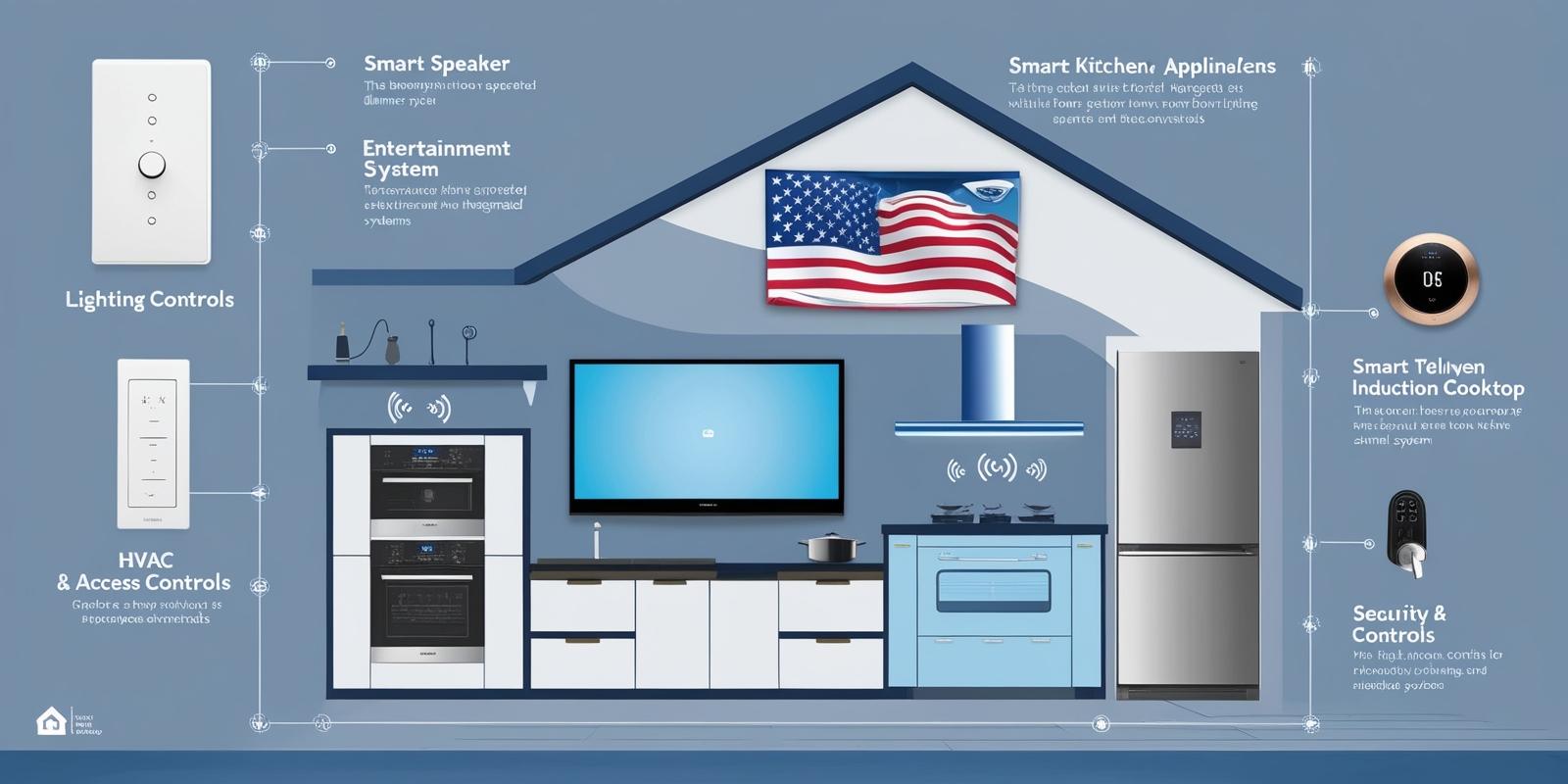
4. Emphasis on Energy Efficiency and Sustainability
Sustainability is a major driver of smart home adoption. With increasing awareness of environmental issues and rising energy costs, consumers are seeking solutions that reduce energy consumption and carbon footprints.
Smart home technologies enable efficient energy management through automated lighting, smart HVAC systems, and energy monitoring tools. These systems optimize usage based on occupancy and real-time conditions, helping homeowners save on utility bills while contributing to environmental conservation.
5. Advancements in Smart Home Security
Security remains a top priority for homeowners, and smart home technologies are addressing this need with advanced solutions. Modern systems include smart cameras, video doorbells, motion sensors, and automated locks.
These devices provide real-time monitoring, instant alerts, and remote access, allowing homeowners to manage security from anywhere. AI-driven features such as facial recognition and anomaly detection are further enhancing the effectiveness of smart security systems.
6. Expansion of Interoperable Ecosystems
The smart home market is moving toward interoperable ecosystems where devices from different manufacturers can work seamlessly together. Consumers increasingly prefer solutions that integrate multiple devices into a single platform.
Open standards and protocols are being developed to improve compatibility and reduce fragmentation in the market. This trend is enabling users to create customized smart home setups without being restricted to a single brand.
7. Rise of Smart Appliances
Smart appliances are becoming a key component of intelligent homes. From refrigerators that track food inventory to washing machines that optimize cycles, these appliances offer convenience and efficiency.
Manufacturers are embedding connectivity and AI capabilities into a wide range of household products. This trend is transforming everyday tasks and making homes more responsive to user needs.
8. Increased Demand for Remote Access and Control
Remote monitoring and control have become essential features of smart home systems. Mobile apps and cloud-based platforms allow users to manage their homes from anywhere in the world.
This trend has been accelerated by the rise of remote work and the need for flexible living environments. Whether adjusting temperature settings or checking security cameras, remote access provides convenience and peace of mind.
9. Emergence of Subscription-Based Services
The smart home market is witnessing a shift toward subscription-based models. Companies are offering services such as security monitoring, device maintenance, and software updates through monthly or annual subscriptions.
This approach provides continuous support and enhances user experience while creating recurring revenue streams for service providers. Subscription models are expected to play a significant role in the future of the smart home market.
10. Focus on Cybersecurity and Data Privacy
As smart homes become more connected, concerns about cybersecurity and data privacy are growing. Smart devices collect and transmit large volumes of data, making them potential targets for cyberattacks.
Manufacturers are investing in advanced security measures, including encryption, secure authentication, and regular updates, to protect user data. Building trust through robust cybersecurity practices is essential for the sustained growth of the smart home market.
11. Impact of 5G and Advanced Connectivity
The rollout of 5G technology is set to revolutionize the smart home market. With faster speeds, lower latency, and improved connectivity, 5G enables real-time communication between devices.
This advancement supports more complex applications, such as high-definition video streaming and AI-driven automation. As 5G networks expand, they will unlock new opportunities for innovation in smart home technologies.
12. Growth of Retrofitting and Smart Renovations
While new homes are often built with integrated smart technologies, there is a growing trend toward retrofitting existing homes. Wireless devices and modular systems make it easier to upgrade traditional homes without extensive renovations.
This trend is particularly important in regions with older housing infrastructure. Retrofitting allows homeowners to modernize their spaces and benefit from smart technologies without significant structural changes.
Future Outlook
The smart home market is poised for continued growth as technological advancements and consumer demand drive innovation. Intelligent living spaces will become more personalized, efficient, and sustainable, offering enhanced experiences for users.
As costs decrease and awareness increases, smart home adoption is expected to expand across different regions and demographics. The integration of AI, IoT, and advanced connectivity will further transform homes into fully automated ecosystems.
Conclusion
The key trends in the smart home market highlight a shift toward more connected, intelligent, and user-centric living environments. From AI-driven automation to energy-efficient solutions and advanced security systems, smart home technologies are redefining modern living.
As the market continues to evolve, these trends will shape the future of intelligent living spaces, making smart homes an integral part of everyday life.
FAQs
1. What are the main drivers of the smart home market?
The main drivers include increasing adoption of IoT devices, demand for energy efficiency, advancements in AI, and growing consumer interest in convenience and security.
2. How is AI used in smart homes?
AI is used to automate tasks, learn user preferences, and provide personalized experiences, making smart homes more efficient and responsive.
3. Why are voice assistants important in smart homes?
Voice assistants enable hands-free control of devices, improving convenience and accessibility for users.
4. What role does 5G play in smart homes?
5G enhances connectivity, enabling faster communication between devices and supporting advanced applications like real-time automation.
5. Are smart homes secure?
Smart homes can be secure if proper cybersecurity measures such as encryption and secure networks are implemented.