
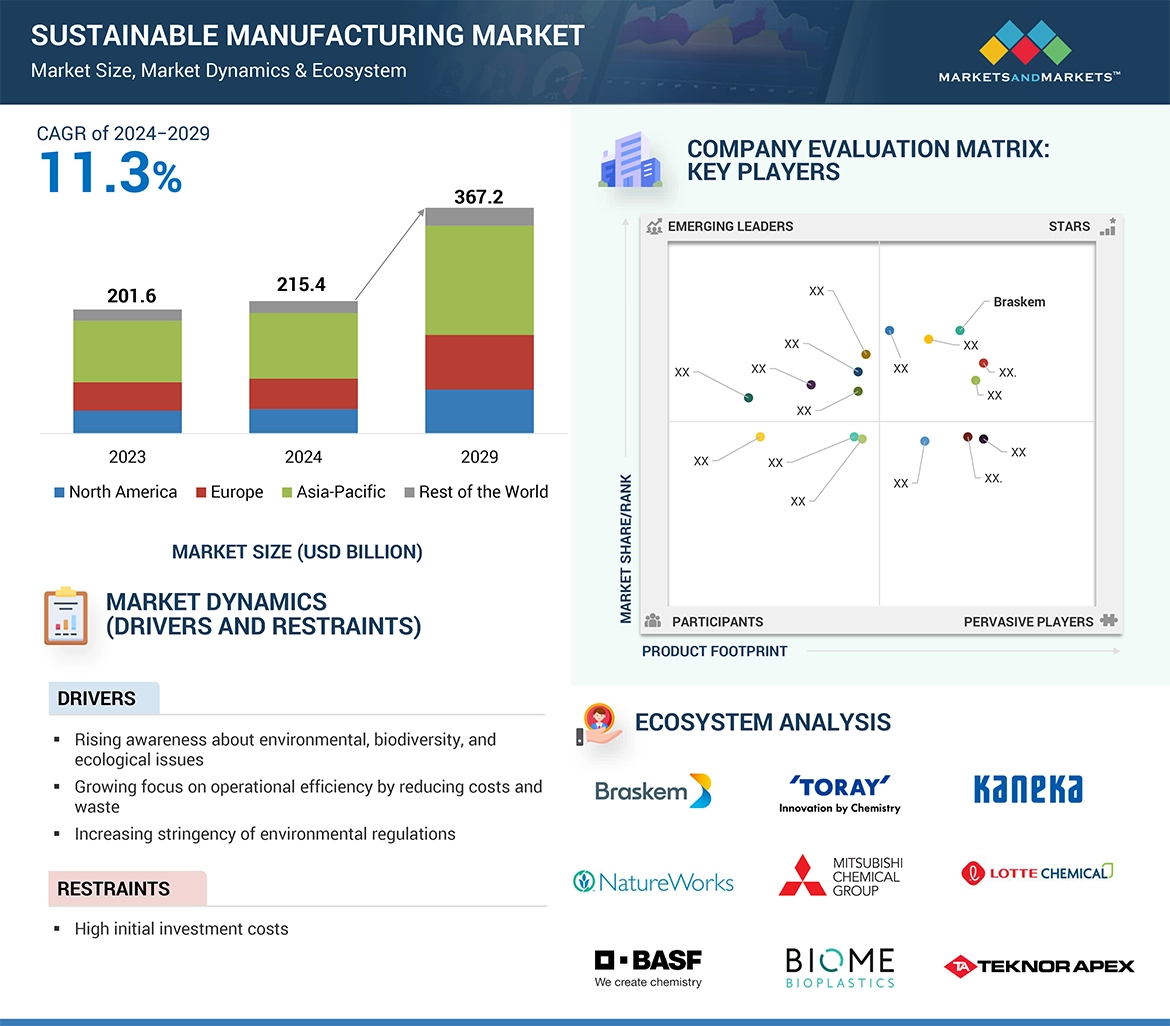
The global Sustainable Manufacturing Market is set to undergo significant transformation by 2029, driven by a convergence of technological advancements, environmental priorities, and evolving industrial strategies. As industries worldwide strive to balance economic growth with environmental responsibility, sustainable manufacturing is becoming a cornerstone of modern production systems. The future of this market will be shaped by trends that emphasize efficiency, innovation, and long-term sustainability. These trends are not only redefining manufacturing processes but also creating new opportunities for growth and competitiveness across industries.
One of the most influential trends is the increasing integration of digital technologies into manufacturing operations. The adoption of smart manufacturing solutions, including the Industrial Internet of Things, artificial intelligence, and advanced analytics, is enabling companies to optimize resource utilization and minimize waste. These technologies provide real-time insights into production processes, allowing manufacturers to identify inefficiencies and implement corrective measures. By leveraging data-driven decision-making, companies can achieve higher levels of efficiency and sustainability. As digital transformation continues to accelerate, its impact on the sustainable manufacturing market is expected to grow significantly.
Download PDF Brochure @ https://www.marketsandmarkets.com/pdfdownloadNew.asp?id=140349832
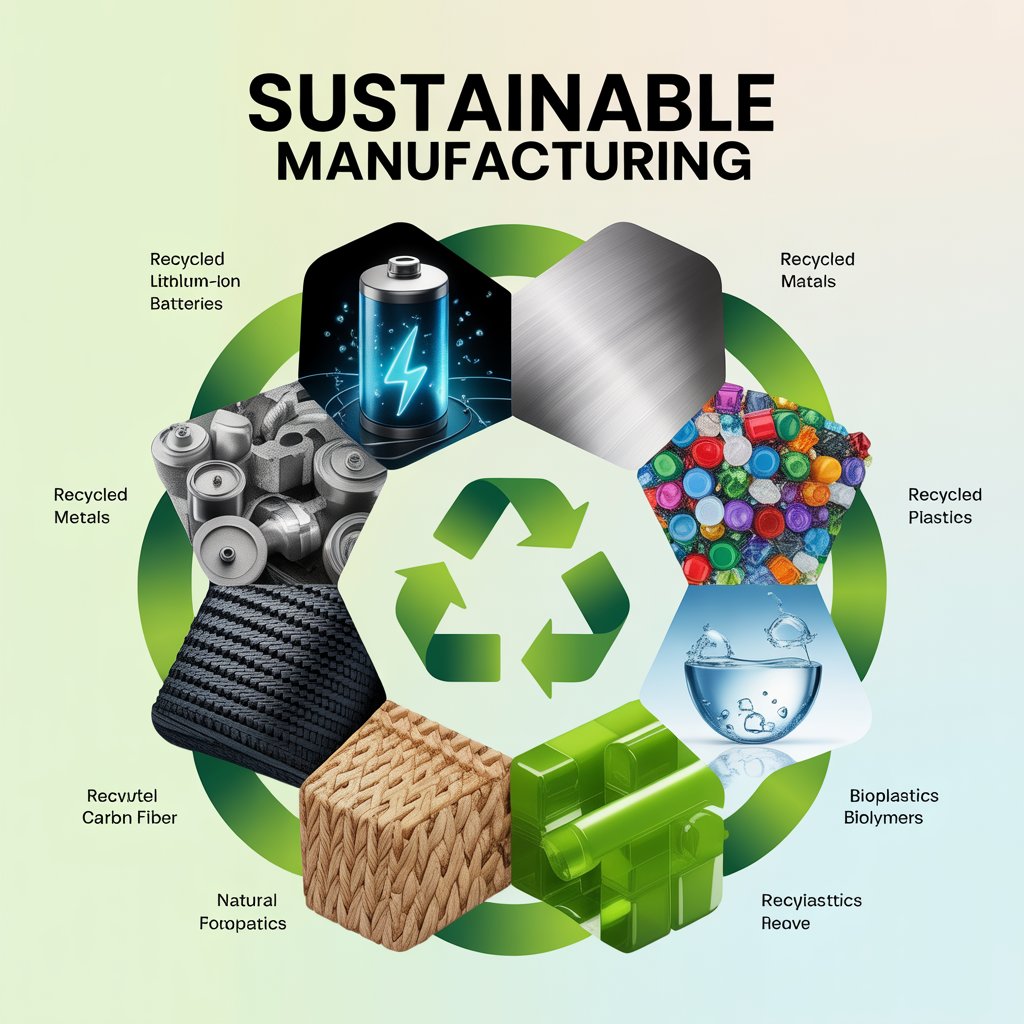
Another key trend is the widespread adoption of circular economy principles. By 2029, manufacturers are expected to move further away from linear production models and embrace practices that promote reuse, recycling, and resource efficiency. Circular manufacturing strategies focus on extending the lifecycle of products and materials, reducing waste, and minimizing environmental impact. This approach not only supports sustainability goals but also creates new revenue opportunities through the recovery and reuse of resources. As industries increasingly recognize the economic and environmental benefits of circular practices, their adoption is expected to become a defining feature of the sustainable manufacturing market.
The transition to renewable energy sources is also set to play a major role in shaping the future of sustainable manufacturing. Manufacturers are increasingly investing in clean energy solutions such as solar, wind, and hydrogen to power their operations. This shift reduces reliance on fossil fuels and helps companies achieve carbon neutrality targets. Advances in energy storage and grid integration are further supporting the adoption of renewable energy, making it more reliable and cost-effective. By 2029, renewable energy is expected to become a primary energy source for many manufacturing facilities, significantly reducing the carbon footprint of industrial operations.
Inquiry Before Buying @ https://www.marketsandmarkets.com/Enquiry_Before_BuyingNew.asp?id=140349832
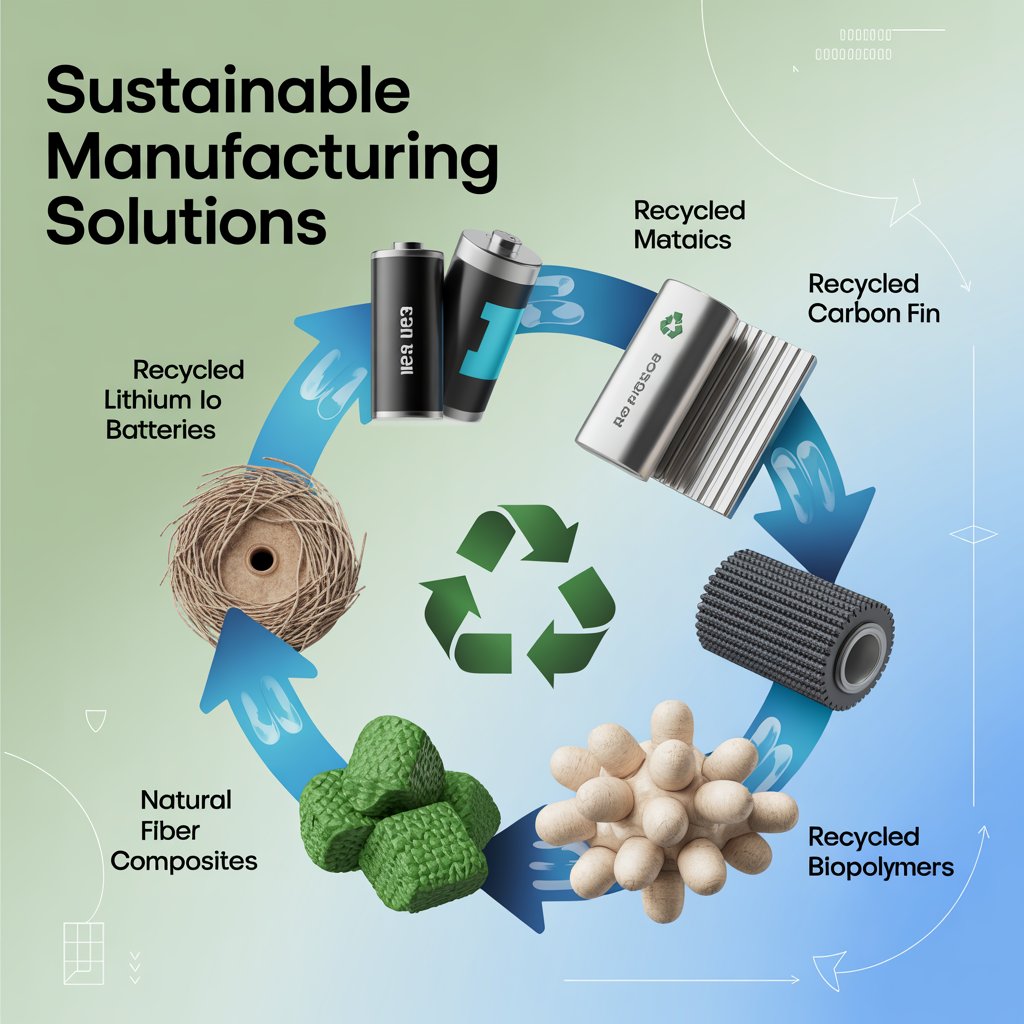
Advancements in sustainable materials and green chemistry are another important trend influencing the market. Manufacturers are focusing on developing and using materials that have a lower environmental impact, such as biodegradable polymers, recycled components, and bio-based materials. These innovations are enabling companies to reduce emissions and waste while maintaining product performance and quality. Green chemistry practices, which emphasize the use of safer and more efficient chemical processes, are also gaining traction. As research and development efforts continue, the availability and adoption of sustainable materials are expected to increase, driving further growth in the market.
Automation and robotics are also expected to play a crucial role in transforming sustainable manufacturing by 2029. These technologies enhance precision, reduce waste, and improve energy efficiency in production processes. Automated systems can operate with minimal human intervention, optimizing production schedules and reducing resource consumption. Robotics can perform complex tasks with high accuracy, minimizing errors and material waste. As automation technologies become more advanced and accessible, their adoption is expected to increase, contributing to the overall sustainability of manufacturing operations.
The growing emphasis on supply chain sustainability is another trend shaping the future of the market. Companies are extending their sustainability efforts beyond their own operations to include suppliers and logistics networks. This involves sourcing raw materials responsibly, reducing transportation emissions, and improving supply chain transparency. Digital technologies such as blockchain are being used to track and verify sustainability practices throughout the supply chain. By ensuring that all stakeholders adhere to environmental and social standards, manufacturers can achieve comprehensive sustainability and enhance their competitive position.
View detailed Table of Content here – https://www.marketsandmarkets.com/Market-Reports/sustainable-manufacturing-market-140349832.html
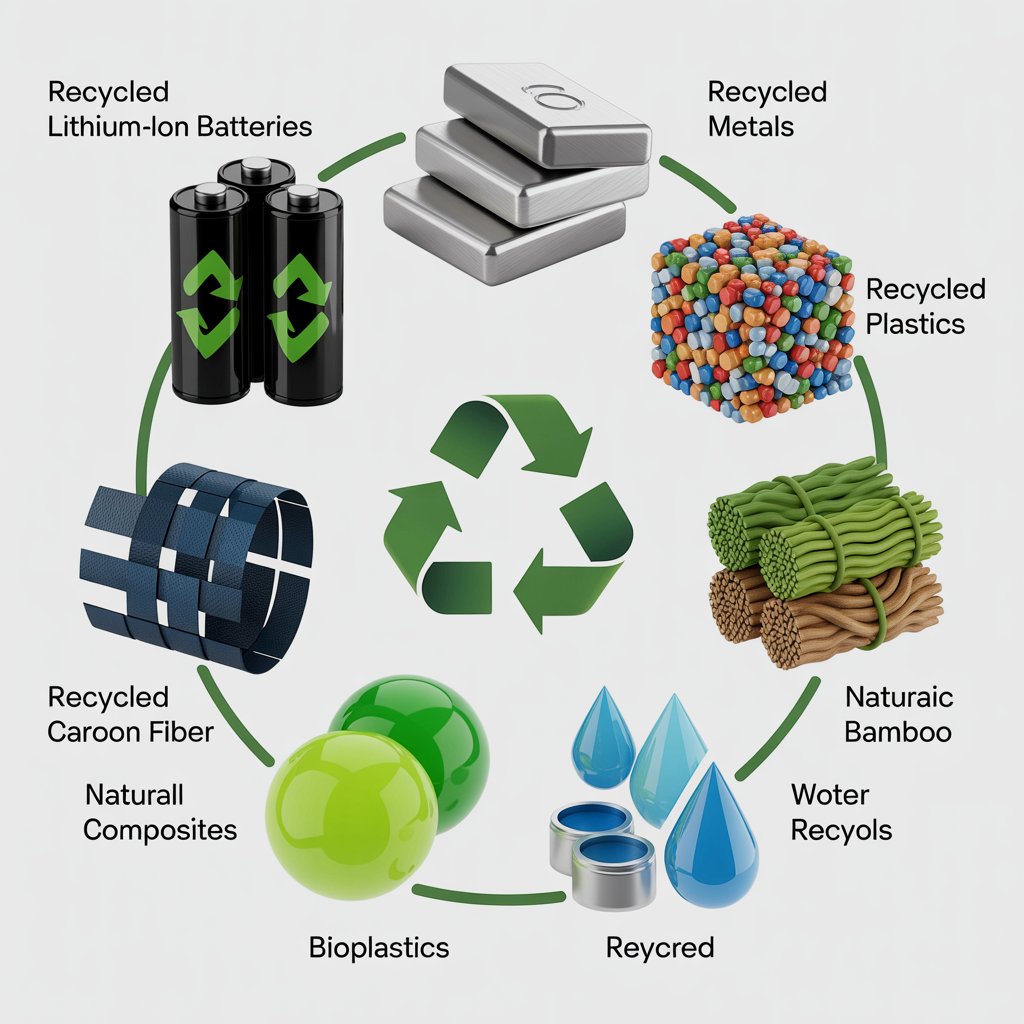
Regulatory frameworks and government policies are expected to become even more stringent by 2029, further driving the adoption of sustainable manufacturing practices. Governments are likely to implement stricter emission standards, carbon pricing mechanisms, and sustainability reporting requirements. These measures will compel manufacturers to invest in clean technologies and adopt sustainable processes. At the same time, incentives and subsidies for green initiatives will encourage innovation and investment, creating a favorable environment for market growth.
Consumer behavior will also play a significant role in shaping the future of the sustainable manufacturing market. As awareness of environmental issues continues to grow, consumers are increasingly demanding sustainable products and transparent business practices. This shift is influencing product design, marketing strategies, and supply chain decisions. Manufacturers that prioritize sustainability are likely to gain a competitive advantage, as they can better meet consumer expectations and build stronger brand loyalty.
The global sustainable manufacturing market is poised for significant transformation by 2029, driven by a range of future trends. Digitalization, circular economy adoption, renewable energy integration, and advancements in sustainable materials are reshaping the industry. At the same time, automation, supply chain sustainability, regulatory developments, and changing consumer preferences are creating new opportunities for growth and innovation. As these trends continue to evolve, the sustainable manufacturing market is expected to expand, offering a pathway toward a more efficient, resilient, and environmentally responsible industrial future.