
The Non-Destructive Testing Equipment Market Trends Driven by Automation and AI are reshaping how industries ensure safety, reliability, and quality without compromising structural integrity. As industrial operations become more complex and safety standards more stringent, the demand for advanced inspection technologies is rising rapidly. This shift is placing automation and artificial intelligence (AI) at the center of evolving Non-Destructive Testing Equipment Market Trends.
Non-destructive testing (NDT) equipment plays a critical role across industries such as aerospace, oil & gas, manufacturing, construction, and power generation. These systems allow for the inspection of materials and components without causing damage, making them essential for preventive maintenance and quality assurance. Today, the Non-Destructive Testing Equipment Market Trends are being significantly influenced by the integration of automation and AI-driven capabilities.
One of the most prominent Non-Destructive Testing Equipment Market Trends is the adoption of automated inspection systems. Automated NDT solutions reduce human error, improve inspection speed, and deliver consistent results. Robotics and automated scanning systems are increasingly being used in hazardous or hard-to-reach environments, enhancing both safety and efficiency. This growing reliance on automation is a key factor driving Non-Destructive Testing Equipment Market Trends Driven by Automation and AI.
Download PDF Brochure @ https://www.marketsandmarkets.com/pdfdownloadNew.asp?id=882
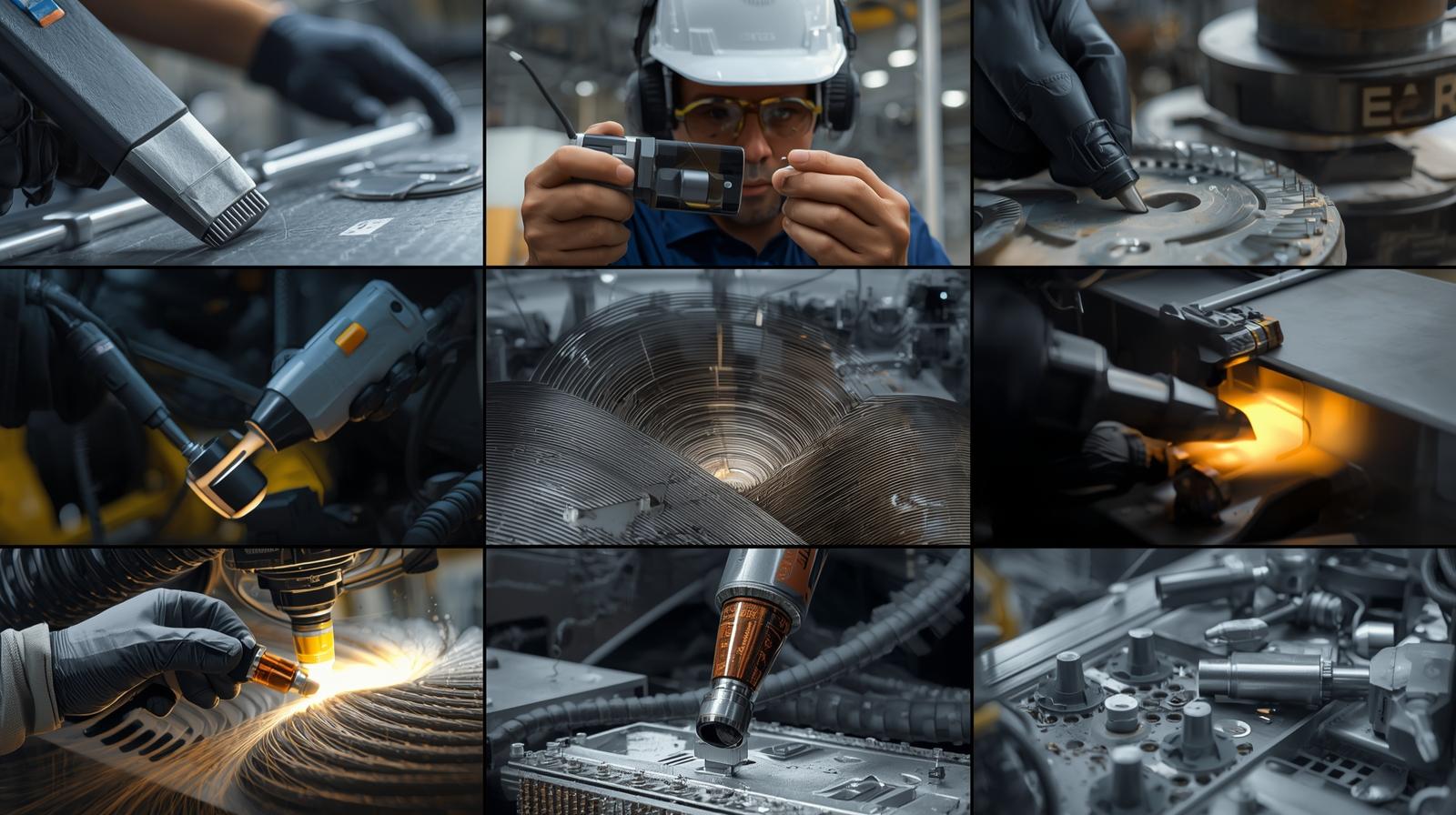
Artificial intelligence is further accelerating Non-Destructive Testing Equipment Market Trends by enabling smarter data analysis and decision-making. AI-powered algorithms can process vast amounts of inspection data in real time, identifying defects, anomalies, and patterns with greater accuracy than traditional methods. Machine learning models continuously improve over time, making NDT systems more predictive and reliable. As a result, AI integration is becoming a defining feature of Non-Destructive Testing Equipment Market Trends Driven by Automation and AI.
Another significant aspect of Non-Destructive Testing Equipment Market Trends is the shift toward digitalization. Advanced imaging techniques, such as digital radiography and phased array ultrasonic testing, are replacing conventional methods. These technologies provide high-resolution images and detailed insights, enabling more precise defect detection. When combined with AI, they further enhance the effectiveness of Non-Destructive Testing Equipment Market Trends Driven by Automation and AI.
The growing emphasis on predictive maintenance is also influencing Non-Destructive Testing Equipment Market Trends. Organizations are increasingly using NDT equipment not just for inspection but for anticipating failures before they occur. AI-driven analytics help identify early signs of wear and degradation, reducing downtime and maintenance costs. This proactive approach is strengthening the adoption of Non-Destructive Testing Equipment Market Trends Driven by Automation and AI across industries.
Additionally, regulatory compliance and safety standards are playing a crucial role in shaping Non-Destructive Testing Equipment Market Trends. Governments and industry bodies are enforcing stricter guidelines to ensure operational safety, particularly in high-risk sectors. This is encouraging companies to invest in advanced NDT solutions that align with Non-Destructive Testing Equipment Market Trends Driven by Automation and AI.
Despite these advancements, challenges such as high initial investment costs and the need for skilled professionals remain. However, ongoing technological innovations and training initiatives are expected to address these issues, further supporting the growth of Non-Destructive Testing Equipment Market Trends Driven by Automation and AI.
Looking ahead, the future of Non-Destructive Testing Equipment Market Trends lies in deeper integration with AI, IoT, and cloud computing. These technologies will enable real-time monitoring, remote inspections, and enhanced collaboration across global operations. As industries continue to prioritize safety, efficiency, and reliability, Non-Destructive Testing Equipment Market Trends Driven by Automation and AI will play a pivotal role in shaping next-generation inspection solutions.
In conclusion, the evolution of Non-Destructive Testing Equipment Market Trends Driven by Automation and AI reflects a broader transformation toward intelligent, automated, and data-driven industrial practices. Organizations that embrace these trends will be better positioned to ensure quality, reduce risks, and maintain a competitive edge in an increasingly demanding market.
1. What are Non-Destructive Testing (NDT) equipment used for?
NDT equipment is used to inspect materials, components, and structures without causing damage, ensuring safety, quality, and reliability across industries.
2. What is driving Non-Destructive Testing Equipment Market Trends?
Key drivers of Non-Destructive Testing Equipment Market Trends include the adoption of automation, integration of AI technologies, increasing safety regulations, and the need for efficient and accurate inspection methods.
3. How is AI influencing Non-Destructive Testing Equipment Market Trends?
AI enhances Non-Destructive Testing Equipment Market Trends by enabling real-time data analysis, improving defect detection accuracy, and supporting predictive maintenance through machine learning algorithms.
4. What role does automation play in NDT?
Automation reduces human error, increases inspection speed, and allows testing in hazardous environments, making it a major contributor to Non-Destructive Testing Equipment Market Trends Driven by Automation and AI.
5. Which industries use NDT equipment the most?
Industries such as aerospace, oil & gas, manufacturing, construction, and power generation are major adopters of NDT equipment.
6. What are the latest technologies in NDT equipment?
Advanced technologies shaping Non-Destructive Testing Equipment Market Trends include digital radiography, phased array ultrasonic testing, robotic inspection systems, and AI-powered analytics.