
The Internet of Things (IoT) market is experiencing unprecedented growth, fueled by rapid advancements in sensor technologies and connectivity solutions. As organizations increasingly prioritize data-driven decision-making and automation, IoT has emerged as a foundational pillar of digital transformation across industries.
The IoT technology market growth is projected to reach USD 1,148.62 billion by 2030 from USD 959.30 billion in 2025, at a CAGR of 3.7% during the forecast period.
At the heart of this growth lies the evolution of sensor technology. Modern sensors are becoming smaller, more energy-efficient, and significantly more accurate. From environmental monitoring and industrial automation to healthcare and smart homes, sensors are enabling real-time data collection at a scale that was previously unimaginable. These devices not only capture data but also play a critical role in enhancing operational efficiency, predictive maintenance, and overall system intelligence.
Equally important is the progress in connectivity technologies, which has unlocked the full potential of IoT ecosystems. The rollout of 5G networks, along with advancements in LPWAN (Low Power Wide Area Networks) and edge computing, has enabled faster data transmission, reduced latency, and improved reliability. This ensures seamless communication between devices, platforms, and applications—even in remote or challenging environments.
Download PDF Brochure @ https://www.marketsandmarkets.com/pdfdownloadNew.asp?id=258239167
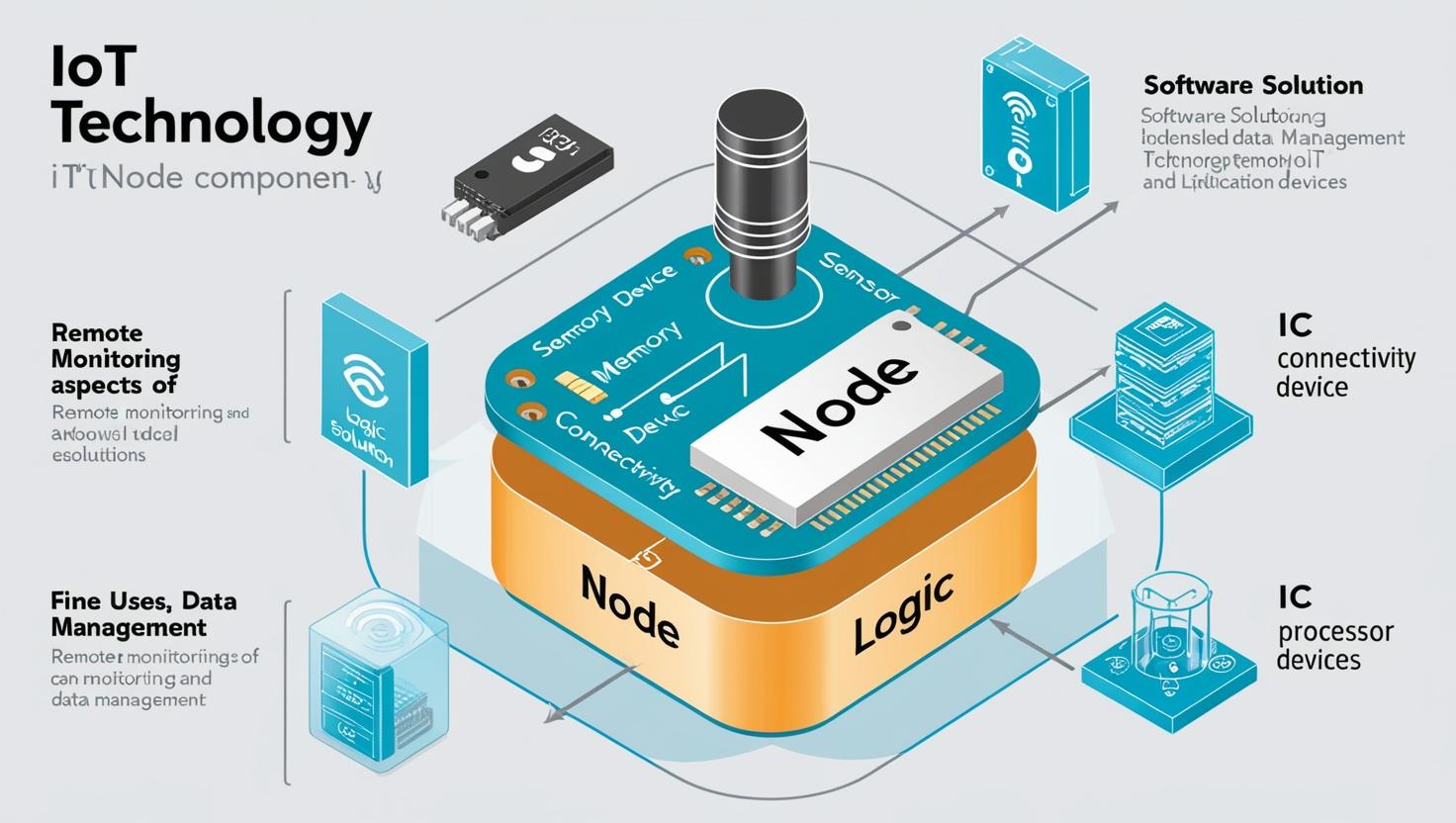
The convergence of sensors and connectivity is driving innovation across multiple sectors. In manufacturing, IoT-powered systems are enabling smart factories with real-time monitoring and automation. In healthcare, connected devices are transforming patient care through remote monitoring and early diagnosis. In smart cities, IoT solutions are optimizing traffic management, energy usage, and public safety. Meanwhile, industries such as agriculture, logistics, and retail are leveraging IoT to enhance productivity and improve customer experiences.
Another key factor contributing to market growth is the development of robust IoT platforms and software solutions. These platforms enable organizations to aggregate, analyze, and derive actionable insights from vast volumes of data. Combined with artificial intelligence and machine learning, IoT systems are evolving from simple data collectors into intelligent decision-making tools.
Despite its rapid expansion, the IoT market faces challenges such as data security, interoperability, and scalability. As billions of devices become interconnected, ensuring secure data transmission and protecting user privacy remain top priorities. Additionally, standardization across devices and platforms is crucial for achieving seamless integration and long-term sustainability.
Looking ahead, the IoT market is poised for continued growth as innovations in sensors and connectivity further accelerate adoption. The integration of AI, edge computing, and next-generation networks will unlock new use cases and redefine how businesses and societies operate. Organizations that strategically invest in IoT technologies today will be better positioned to lead in an increasingly connected and intelligent world.
In conclusion, the surge in IoT market growth is not just a technological trend—it represents a fundamental shift toward a more connected, efficient, and data-driven future.
1. What is driving the growth of the IoT market?
The IoT market is primarily driven by advancements in sensor technologies, improved connectivity (such as 5G and LPWAN), increasing demand for real-time data insights, and the growing adoption of automation across industries.
2. How do sensors contribute to IoT market expansion?
Sensors enable devices to collect real-time data from their environment. Improvements in sensor accuracy, size, and energy efficiency have made IoT solutions more scalable and cost-effective, accelerating adoption.
3. What role does connectivity play in IoT growth?
Connectivity technologies like 5G, Wi-Fi, and LPWAN allow seamless communication between devices. Faster speeds, lower latency, and reliable networks make it possible to deploy IoT systems across various applications, including remote and industrial environments.
4. Which industries are benefiting the most from IoT?
Industries such as manufacturing, healthcare, transportation, agriculture, energy, retail, and smart cities are experiencing significant benefits from IoT through improved efficiency, automation, and data-driven decision-making.
5. What are the key components of an IoT ecosystem?
An IoT ecosystem typically includes sensors (data collection), connectivity modules (data transmission), processors (data handling), platforms (data analysis), and applications (end-user solutions).