
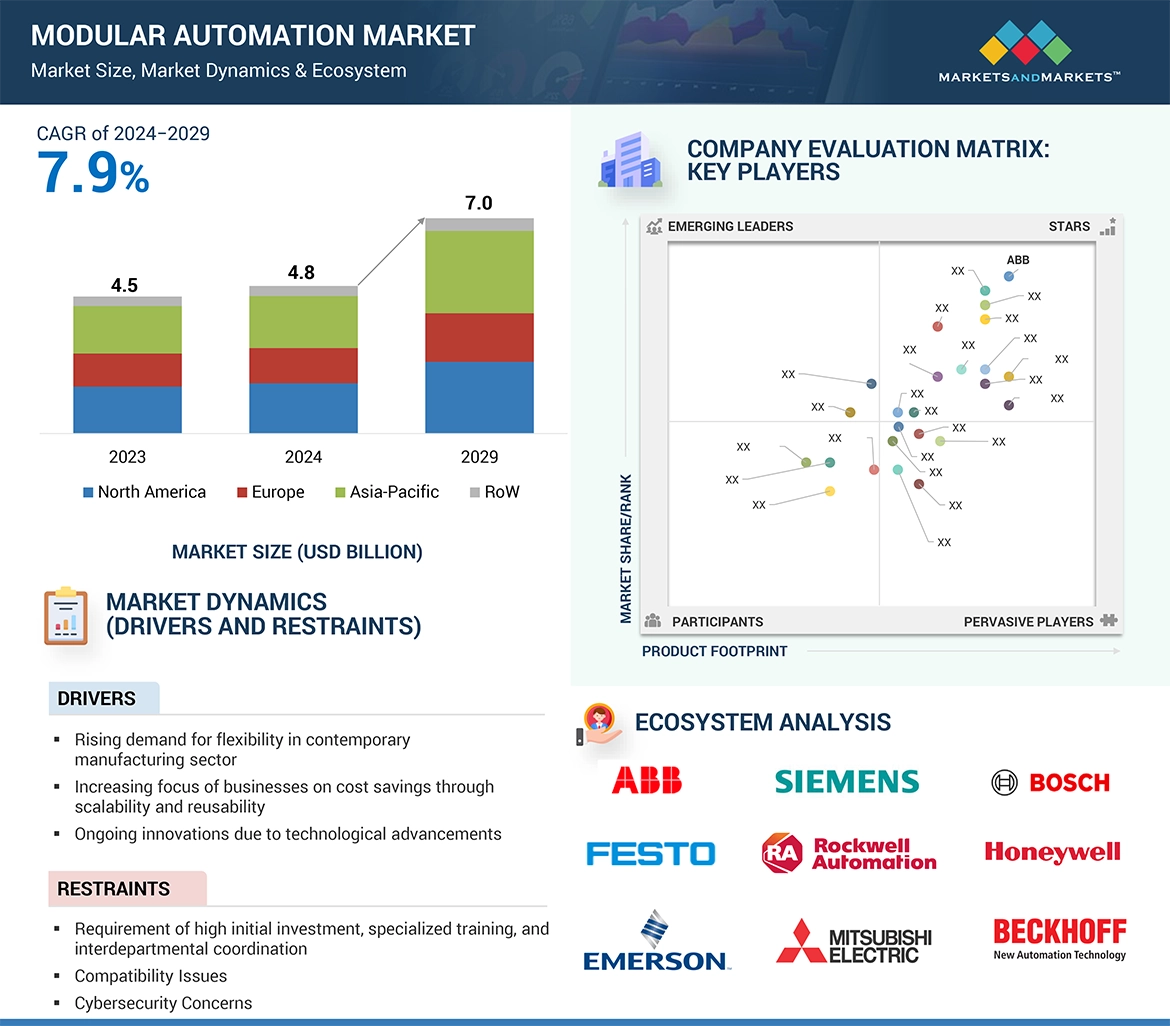
The Modular Automation Market is experiencing significant expansion as industries increasingly prioritize scalable production systems to meet evolving manufacturing demands. In a highly competitive and dynamic global environment, manufacturers are seeking solutions that allow them to quickly adjust production capacity, integrate new technologies, and respond to fluctuating market conditions. Modular automation, characterized by its flexible architecture and plug-and-play components, is emerging as a key enabler of scalable production. By allowing manufacturers to add, remove, or modify individual modules without disrupting the entire system, scalable production systems are driving the adoption and growth of the modular automation market.
Scalable production systems provide manufacturers with the ability to expand operations incrementally, reducing the need for large upfront investments. Traditional manufacturing setups often require significant capital expenditure to build fixed production lines that may not adapt well to changing requirements. In contrast, modular automation systems enable phased investments, where companies can start with a basic configuration and gradually scale up as demand increases. This approach not only minimizes financial risk but also enhances operational flexibility. As a result, businesses of all sizes, including small and medium enterprises, are increasingly adopting modular automation solutions to achieve sustainable growth.
Download PDF Brochure @ https://www.marketsandmarkets.com/pdfdownloadNew.asp?id=10649136
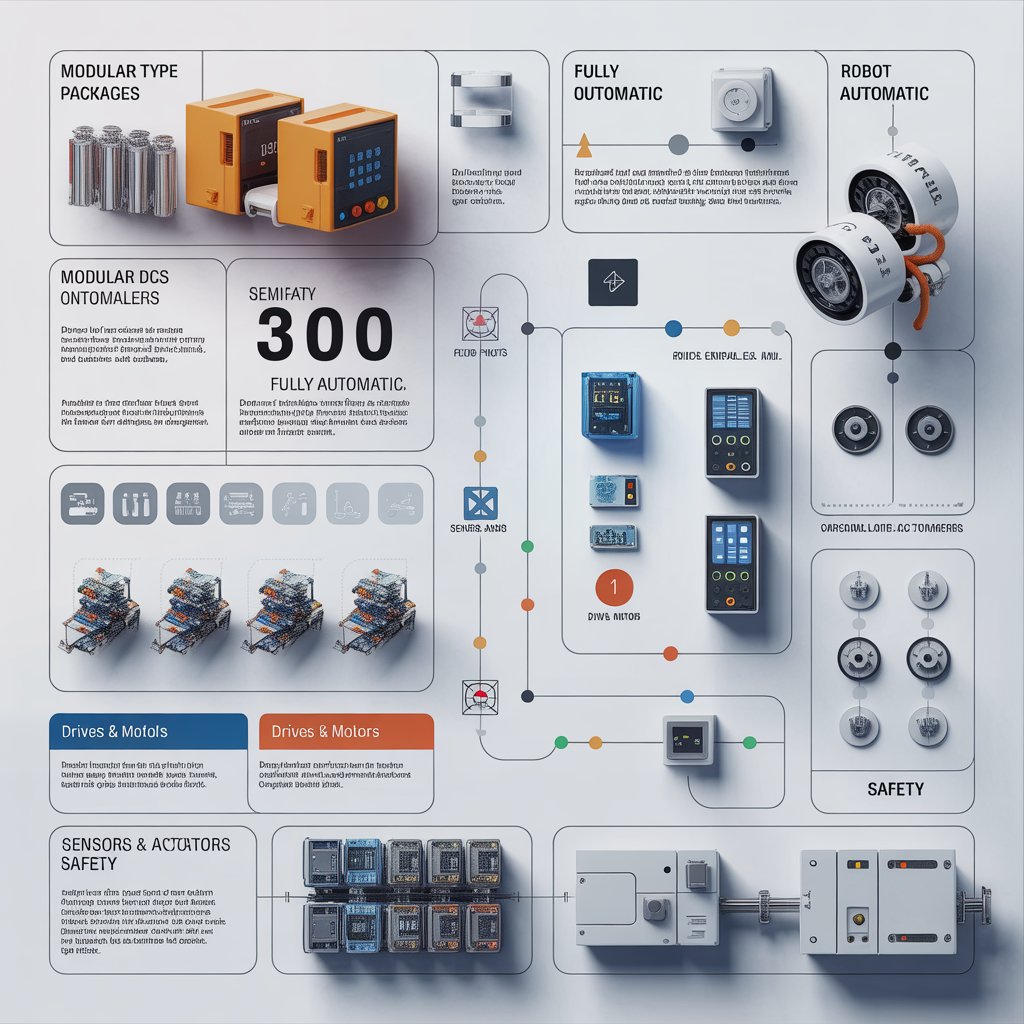
The growing demand for customization and shorter product life cycles is another factor fueling the need for scalable production systems. Consumers today expect personalized products delivered in shorter timeframes, which requires manufacturers to adopt flexible production strategies. Modular automation systems allow quick reconfiguration of production lines to accommodate different product variants without extensive downtime. Scalable systems ensure that manufacturers can adjust production volumes and processes in real time, enabling them to meet customer expectations while maintaining efficiency. This adaptability is particularly valuable in industries such as automotive, electronics, and consumer goods, where market demands are constantly evolving.
Technological advancements are further enhancing the scalability of modular automation systems. The integration of digital technologies such as the Industrial Internet of Things, artificial intelligence, and cloud computing is enabling real-time monitoring and control of production processes. IoT-enabled devices collect data from various modules, providing insights into system performance and enabling predictive maintenance. Artificial intelligence algorithms analyze this data to optimize operations and improve decision-making. Cloud-based platforms facilitate seamless communication between modules, ensuring that the entire system operates efficiently as it scales. These technologies are transforming modular automation into intelligent, self-optimizing systems that support scalable production.
Inquiry Before Buying @ https://www.marketsandmarkets.com/Enquiry_Before_BuyingNew.asp?id=10649136
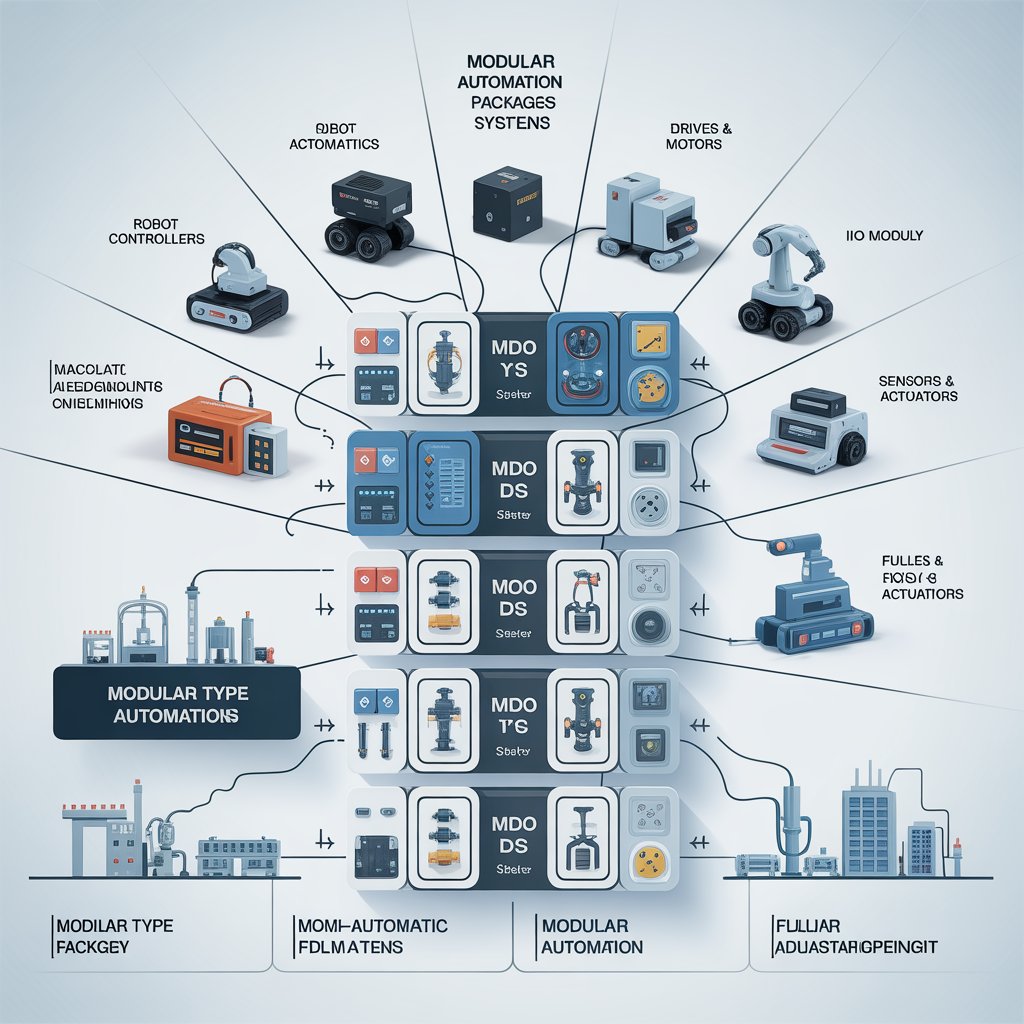
Another important aspect of scalable production systems is their ability to improve resource utilization and reduce waste. Modular automation allows manufacturers to allocate resources more efficiently by adjusting production capacity based on actual demand. This reduces the risk of overproduction and minimizes material waste, contributing to cost savings and environmental sustainability. Scalable systems also enable better energy management by optimizing the use of machinery and equipment. As sustainability becomes a key priority for industries worldwide, the ability to scale production while maintaining resource efficiency is becoming a significant driver of modular automation adoption.
The role of robotics in scalable production systems is also noteworthy. Modern robotic solutions are designed to be highly flexible and easily integrated into modular setups. Robots can be reprogrammed and redeployed across different modules, allowing manufacturers to scale operations without significant changes to the overall system. Collaborative robots, in particular, are gaining popularity due to their ability to work alongside human operators and adapt to various tasks. This flexibility enhances the scalability of production systems and supports the efficient expansion of manufacturing operations.
Scalable production systems are also enabling manufacturers to respond more effectively to supply chain disruptions and market uncertainties. The ability to quickly adjust production capacity and reconfigure processes allows companies to maintain continuity in the face of challenges such as fluctuating demand, raw material shortages, or logistical constraints. Modular automation systems provide the agility needed to navigate these uncertainties, making them a valuable asset in today’s unpredictable business environment. This resilience is further contributing to the growing adoption of scalable production systems in the modular automation market.
View detailed Table of Content here – https://www.marketsandmarkets.com/Market-Reports/modular-automation-market-10649136.html
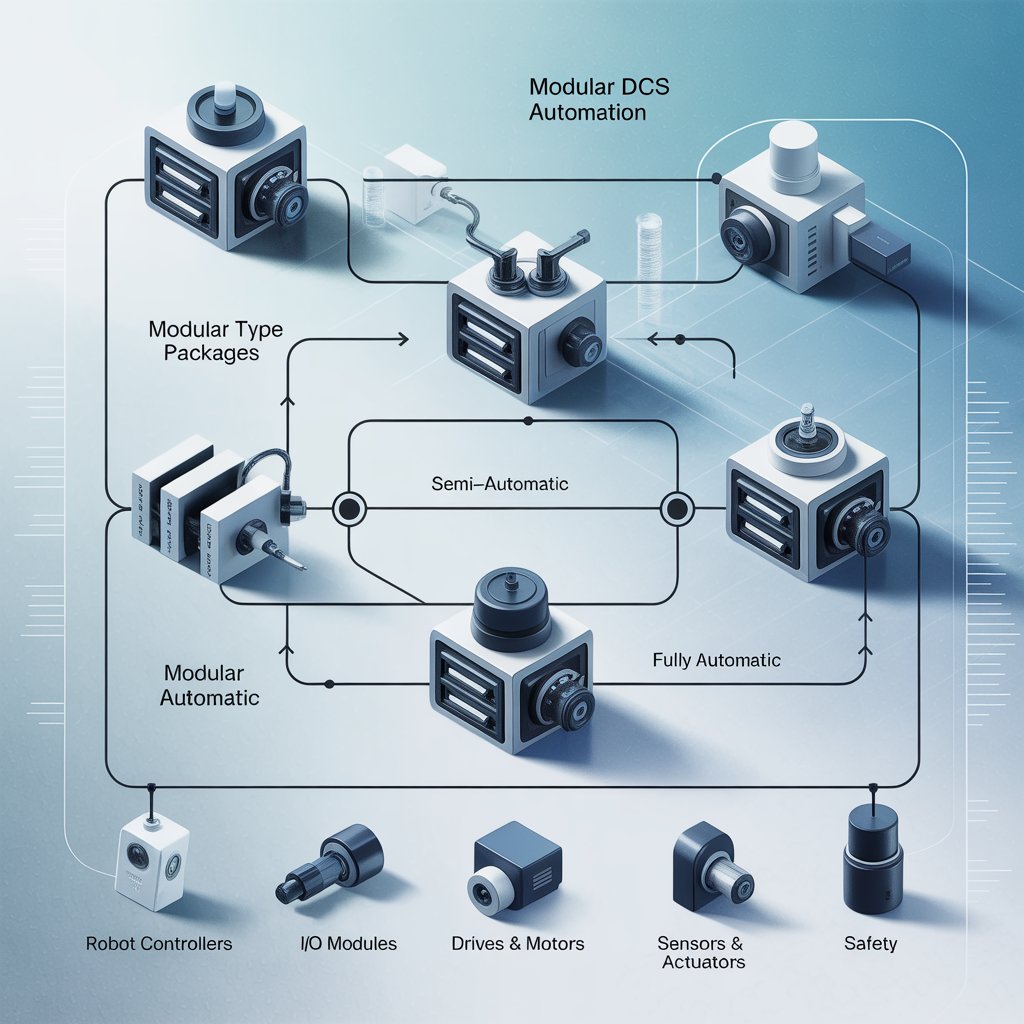
From a strategic perspective, companies are increasingly investing in scalable modular automation solutions to gain a competitive advantage. The ability to quickly launch new products, enter new markets, and adapt to changing customer preferences is critical for long-term success. Scalable systems provide the foundation for innovation by enabling rapid experimentation and iteration. Manufacturers can test new processes or product designs on a small scale and then expand them as needed. This approach reduces risk and accelerates time-to-market, which is essential in industries characterized by rapid technological advancements.
Despite the numerous benefits, the implementation of scalable production systems in modular automation does come with challenges. Integration complexities, the need for standardized interfaces, and initial setup costs can pose barriers to adoption. However, ongoing advancements in technology and the development of industry standards are helping to address these challenges. Companies are focusing on creating interoperable and user-friendly solutions that simplify the deployment and scaling of modular automation systems.
Scalable production systems are playing a crucial role in fueling the expansion of the modular automation market. By enabling flexible, efficient, and adaptive manufacturing processes, these systems are helping industries meet the demands of a rapidly changing market. The integration of advanced technologies, combined with the inherent flexibility of modular automation, is creating new opportunities for growth and innovation. As manufacturers continue to prioritize scalability and agility, the modular automation market is expected to witness sustained expansion in the coming years.