
The microdisplay industry is experiencing a transformative phase, largely fueled by the rapid advancements in augmented reality (AR) and virtual reality (VR) technologies. Microdisplays—compact, high-resolution displays used in head-mounted devices, smart glasses, and AR/VR headsets—have become a critical enabler for immersive experiences across gaming, enterprise, healthcare, and industrial applications.
The global microdisplay market is expected to grow from USD 1.65 billion in 2025 to USD 5.33 billion by 2030, growing at a CAGR of 26.4%
One of the primary drivers of growth in the microdisplay industry is the surge in demand for AR/VR devices. With applications ranging from gaming and entertainment to remote collaboration and training, these technologies require high-performance, lightweight displays to deliver realistic visuals. Microdisplays meet these requirements by offering exceptional pixel density, brightness, and low power consumption, making them ideal for wearable devices.
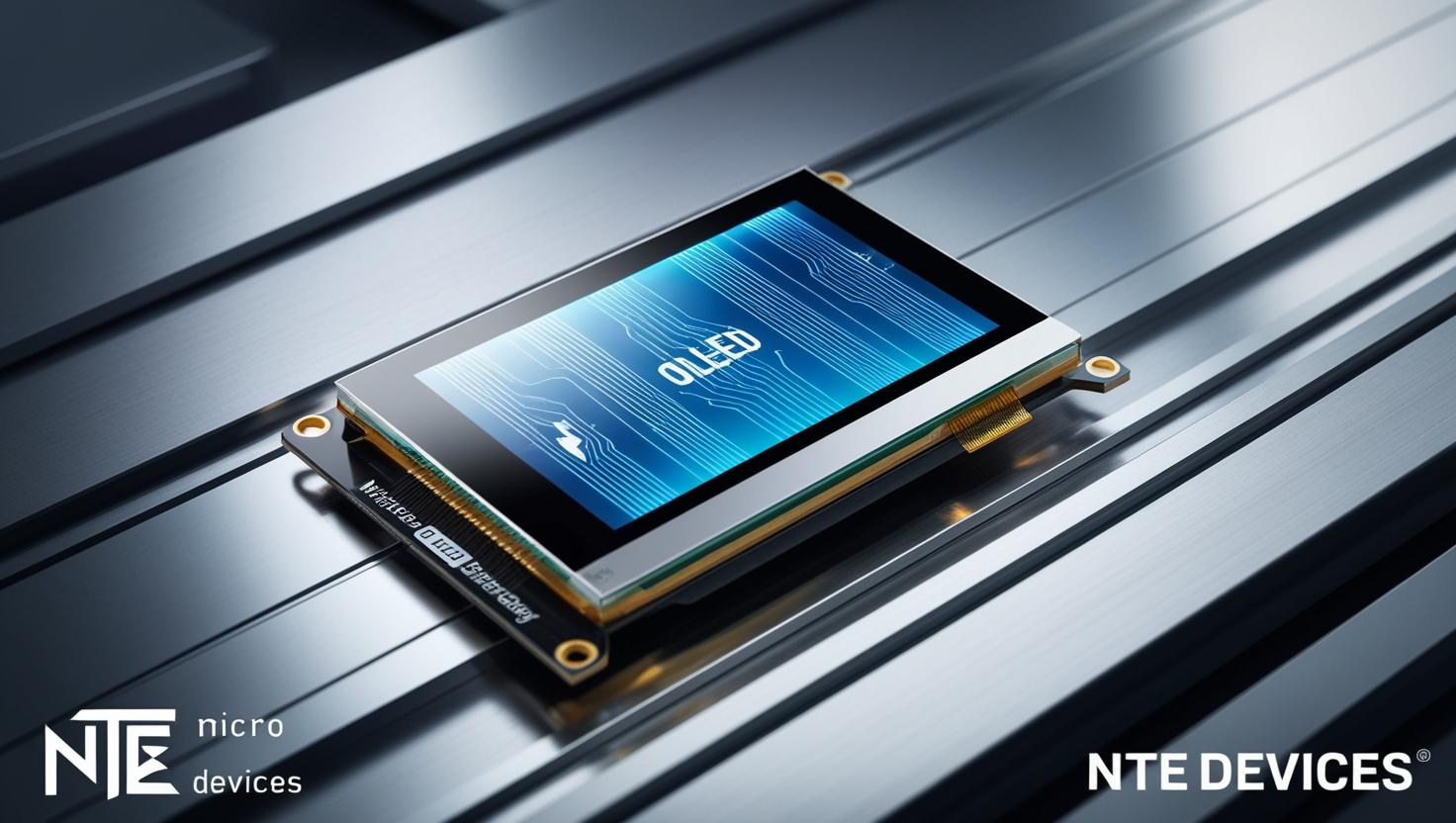
Technological innovations are further propelling the microdisplay industry. Advances in OLED, LCoS (Liquid Crystal on Silicon), and MicroLED technologies are enhancing display quality, contrast ratios, and energy efficiency. These innovations are allowing manufacturers to produce smaller, lighter, and more power-efficient microdisplays, which in turn improves user comfort and extends device battery life.
Download PDF Brochure @ https://www.marketsandmarkets.com/pdfdownloadNew.asp?id=430
The growing adoption of AR/VR in enterprise applications is another significant factor supporting the microdisplay industry. From virtual training simulations in manufacturing and healthcare to remote maintenance in industrial operations, AR/VR solutions rely on high-quality microdisplays to provide precise and immersive visual experiences. This expansion into professional and industrial markets is opening new revenue streams for the industry.
Consumer electronics are also driving the microdisplay industry forward. The rising popularity of VR gaming, mixed reality headsets, and smart AR glasses is creating a competitive market for microdisplay manufacturers to develop more compact and high-resolution solutions. Coupled with the growth of 5G networks, which enable low-latency streaming of immersive content, the demand for advanced microdisplays is expected to surge.
However, the microdisplay industry faces challenges such as high production costs, complex manufacturing processes, and limited standardization across devices. Companies are investing heavily in R&D to overcome these obstacles and enhance scalability and affordability.
In conclusion, the microdisplay industry is poised for substantial growth, driven by AR/VR innovation, technological advancements, and increasing adoption across consumer and enterprise applications. As immersive technologies become mainstream, microdisplays will play a pivotal role in shaping the future of digital experiences.
Frequently Asked Questions (FAQs)
1. What is driving growth in the microdisplay industry?
The microdisplay industry is primarily driven by AR/VR innovation, rising demand for high-resolution wearable devices, and advancements in OLED, LCoS, and MicroLED technologies.
2. What are the key applications of microdisplays?
Microdisplays are widely used in AR/VR headsets, smart glasses, head-mounted displays, medical devices, defense, and industrial training simulations.
3. How does AR/VR technology impact the microdisplay industry?
AR/VR devices require high pixel density, brightness, and low power consumption, which are met by microdisplays, making AR/VR adoption a major growth driver.
4. Which technologies are shaping the microdisplay industry?
OLED, LCoS, and MicroLED technologies are enhancing display quality, energy efficiency, and miniaturization, strengthening the microdisplay industry’s growth prospects.
5. What challenges does the microdisplay industry face?
High production costs, complex manufacturing processes, and lack of standardization across devices are key challenges affecting the microdisplay industry.