
The aerospace industry is experiencing rapid technological evolution as aircraft manufacturers, defense organizations, and space agencies continue to develop advanced aviation platforms. Safety, reliability, and regulatory compliance remain critical factors in the design and manufacturing of aircraft systems. As a result, aerospace testing has become an essential component of the aviation ecosystem.
In recent years, Aerospace Testing Market share has been gaining significant momentum due to the rising demand for both commercial aircraft and defense aviation platforms. With increasing investments in next-generation aircraft technologies, the need for rigorous testing and validation processes is expanding globally. This trend is expected to continue as the aviation sector prioritizes safety standards, performance optimization, and regulatory compliance.
Growing Demand for Commercial Aviation
The global aviation sector is witnessing strong growth driven by rising passenger traffic, expanding airline fleets, and the modernization of aircraft systems. Airlines worldwide are investing in fuel-efficient and technologically advanced aircraft to meet increasing travel demand.
As aircraft production grows, Aerospace Testing Market share continues to expand due to the need for extensive structural, environmental, and performance testing. Manufacturers must conduct multiple testing procedures to ensure aircraft components meet stringent safety and certification standards.
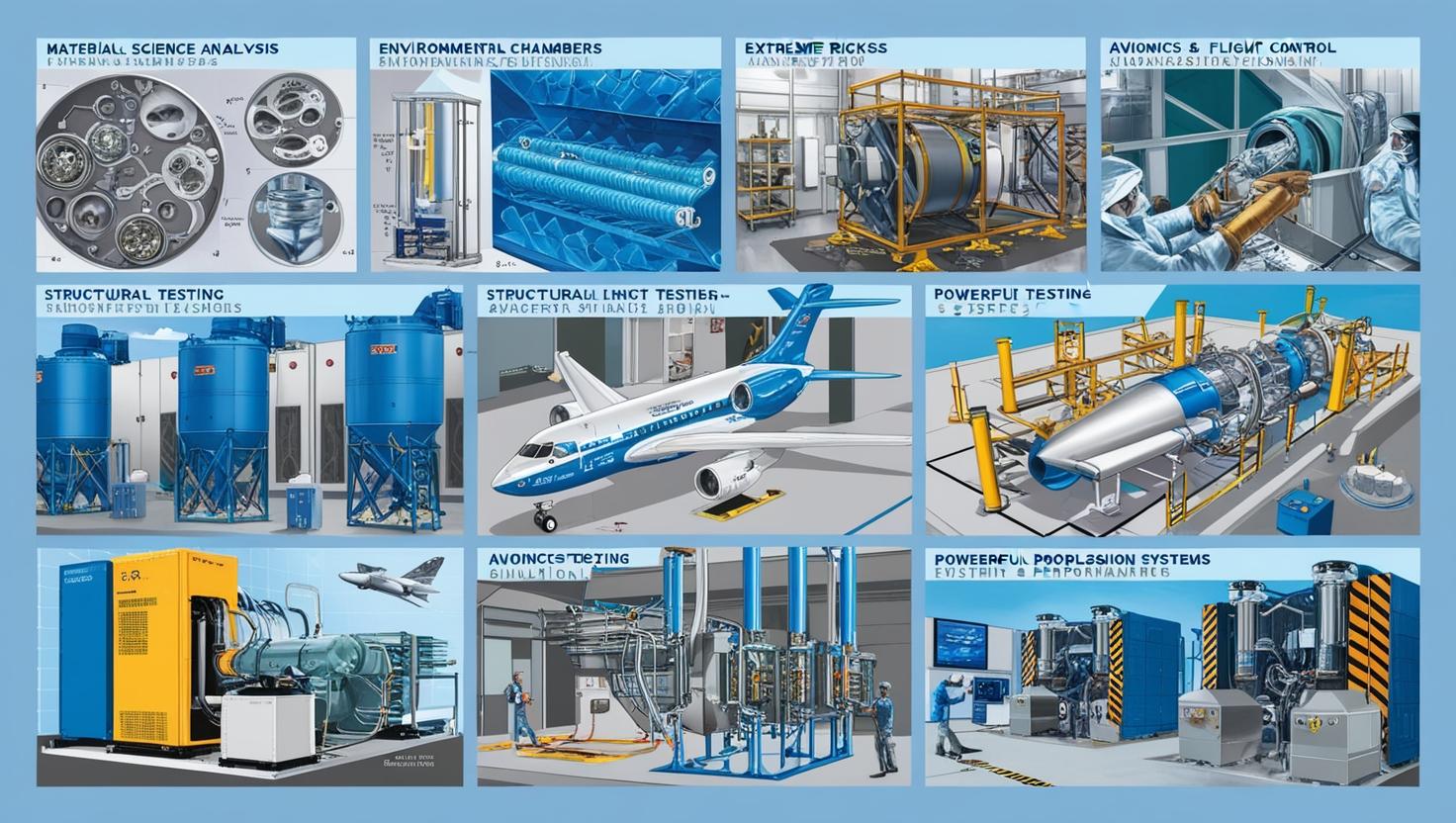
From airframe durability tests to avionics validation and engine performance evaluations, aerospace testing ensures that aircraft systems operate reliably under extreme conditions. Consequently, increasing commercial aircraft production is playing a major role in strengthening Aerospace Testing Market share across the global aviation industry.
Rising Investments in Defense Aviation Programs
Defense modernization initiatives across several countries are also contributing to the expansion of Aerospace Testing Market share. Governments are investing heavily in advanced fighter jets, unmanned aerial vehicles (UAVs), military transport aircraft, and missile defense systems.
These defense platforms require comprehensive testing to ensure operational readiness, durability, and mission performance. Testing procedures include structural testing, fatigue testing, vibration analysis, and environmental testing to simulate real-world operating conditions.
As defense organizations prioritize advanced technologies and high-performance aircraft systems, the demand for specialized aerospace testing services continues to grow, further strengthening Aerospace Testing Market share globally.
Download PDF Brochure @ https://www.marketsandmarkets.com/pdfdownloadNew.asp?id=32924426
Technological Advancements in Aerospace Testing
Technological innovation is significantly transforming the aerospace testing landscape. Modern testing facilities now integrate advanced simulation tools, digital twin technology, artificial intelligence, and high-precision sensors to enhance testing accuracy and efficiency.
Digital simulation platforms allow engineers to replicate real-world flight conditions and evaluate aircraft performance before physical prototypes are deployed. These technologies not only reduce development costs but also improve safety and reliability.
The adoption of advanced digital testing methods is contributing to the expansion of Aerospace Testing Market share, as aerospace companies seek more efficient and data-driven testing solutions.
Expanding Space Exploration and Satellite Programs
In addition to aviation, the growing space exploration sector is also supporting the growth of Aerospace Testing Market share. Government space agencies and private space companies are developing new launch vehicles, satellites, and space exploration systems.
Spacecraft components must undergo rigorous environmental and mechanical testing to withstand extreme conditions such as high radiation levels, vacuum environments, and intense temperature variations.
As space missions increase worldwide, aerospace testing facilities are becoming increasingly important to validate spacecraft performance and reliability, further contributing to the growth of Aerospace Testing Market share.
Importance of Regulatory Compliance and Safety Standards
Aerospace products must comply with strict international aviation safety standards and regulatory requirements. Certification authorities require manufacturers to conduct comprehensive testing processes before aircraft systems are approved for commercial or defense use.
Testing procedures ensure that structural integrity, flight performance, and operational safety meet regulatory guidelines. Compliance with these standards is critical for preventing failures and maintaining passenger safety.
As regulatory frameworks continue to evolve and become more stringent, aerospace manufacturers are investing more in testing infrastructure, leading to sustained growth in Aerospace Testing Market share.
Regional Market Trends
North America currently holds a significant portion of Aerospace Testing Market share due to the presence of major aircraft manufacturers, defense contractors, and advanced aerospace research facilities. Strong investments in aircraft innovation and defense modernization are driving demand for testing services in the region.
Europe also represents a key market, supported by advanced aerospace engineering capabilities and strong regulatory frameworks for aircraft certification. Meanwhile, the Asia-Pacific region is emerging as a rapidly growing market due to expanding aircraft manufacturing, increasing defense budgets, and rising investments in aerospace research.
These regional developments are contributing to the steady expansion of Aerospace Testing Market share across the global aerospace industry.
Future Outlook
The future of the aerospace industry will rely heavily on continuous innovation, advanced materials, and next-generation aviation technologies. As new aircraft designs, electric propulsion systems, and autonomous flight technologies emerge, the demand for sophisticated testing capabilities will increase.
Testing solutions will play a critical role in ensuring that these advanced technologies meet safety, performance, and reliability requirements. With the rapid expansion of commercial aviation, defense programs, and space exploration activities, Aerospace Testing Market share is expected to grow steadily over the coming years.
Aerospace testing remains a fundamental part of aircraft development, ensuring that aviation systems meet the highest standards of safety and performance. The growing demand for commercial aircraft, increasing defense aviation investments, and expanding space exploration programs are driving the need for advanced testing solutions.
As the aerospace sector continues to innovate and evolve, Aerospace Testing Market share will gain further momentum globally. The integration of digital testing technologies, advanced simulation tools, and next-generation testing facilities will continue to strengthen the role of aerospace testing in supporting the future of aviation and space exploration.
Frequently Asked Questions (FAQs)
1. What is aerospace testing and why is it important?
Aerospace testing involves evaluating aircraft components, materials, systems, and structures to ensure safety, reliability, and compliance with aviation regulations. It plays a crucial role in maintaining aircraft performance and passenger safety, which significantly supports the expansion of Aerospace Testing Market share.
2. What factors are driving Aerospace Testing Market share growth?
Several factors are contributing to the growth of Aerospace Testing Market share, including rising aircraft production, increasing defense modernization programs, expanding space exploration activities, and the need for strict compliance with aviation safety standards.
3. Which types of tests are commonly conducted in the aerospace industry?
Common aerospace tests include structural testing, fatigue testing, environmental testing, vibration testing, material testing, and avionics testing. These testing processes help manufacturers ensure aircraft systems perform reliably, further strengthening Aerospace Testing Market share.
4. How does commercial aviation influence Aerospace Testing Market share?
The rapid growth of global air travel and increasing aircraft fleet expansion are boosting the demand for aircraft manufacturing. As a result, extensive testing and certification are required, which directly contributes to the growth of Aerospace Testing Market share.
5. How does defense aviation contribute to Aerospace Testing Market share?
Defense organizations invest heavily in advanced fighter jets, unmanned aerial vehicles, and military transport aircraft. These systems require rigorous testing to ensure mission readiness and operational safety, which drives the expansion of Aerospace Testing Market share.