
The North America Smart Home Market has witnessed significant growth over the past few years, driven by increasing consumer adoption of IoT devices, automation systems, energy management solutions, and connected appliances. As demand for smarter, more secure, and energy-efficient homes rises, companies are competing fiercely to capture market share. This competitive analysis explores the North America Smart Home Market, highlighting key players, strategies, and trends shaping the industry.
Key Players in the North America Smart Home Market
North America Smart Home Market in terms of revenue is estimated to be worth $32.58 billion in 2025 and is poised to reach $45.68 billion by 2030, growing at a CAGR of 7.0% during the forecast period. The North America Smart Home Market is characterized by a mix of global technology giants, specialized device manufacturers, and innovative startups. Key players include:
-
Amazon – Through its Echo devices and Alexa ecosystem, Amazon has become a leading force in voice-controlled smart homes, integrating lighting, security, and entertainment.
-
Google (Nest) – Google’s Nest platform offers smart thermostats, security cameras, and smoke detectors, emphasizing energy efficiency and seamless device connectivity.
-
Apple – With HomeKit and Siri integration, Apple focuses on secure, user-friendly smart home experiences across devices.
-
Samsung SmartThings – Samsung provides a wide range of connected appliances and smart home hubs that integrate IoT devices under a unified platform.
-
Honeywell – A traditional player in security and HVAC systems, Honeywell leverages automation and IoT to enhance residential and commercial smart home solutions.
-
ADT Inc. – Specializing in home security and monitoring, ADT combines professional services with smart devices to maintain safety and convenience.
These companies, among others, are driving innovation and shaping the North America Smart Home Market through technology development, partnerships, and strategic acquisitions.
Download PDF Brochure @ https://www.marketsandmarkets.com/pdfdownloadNew.asp?id=244808723
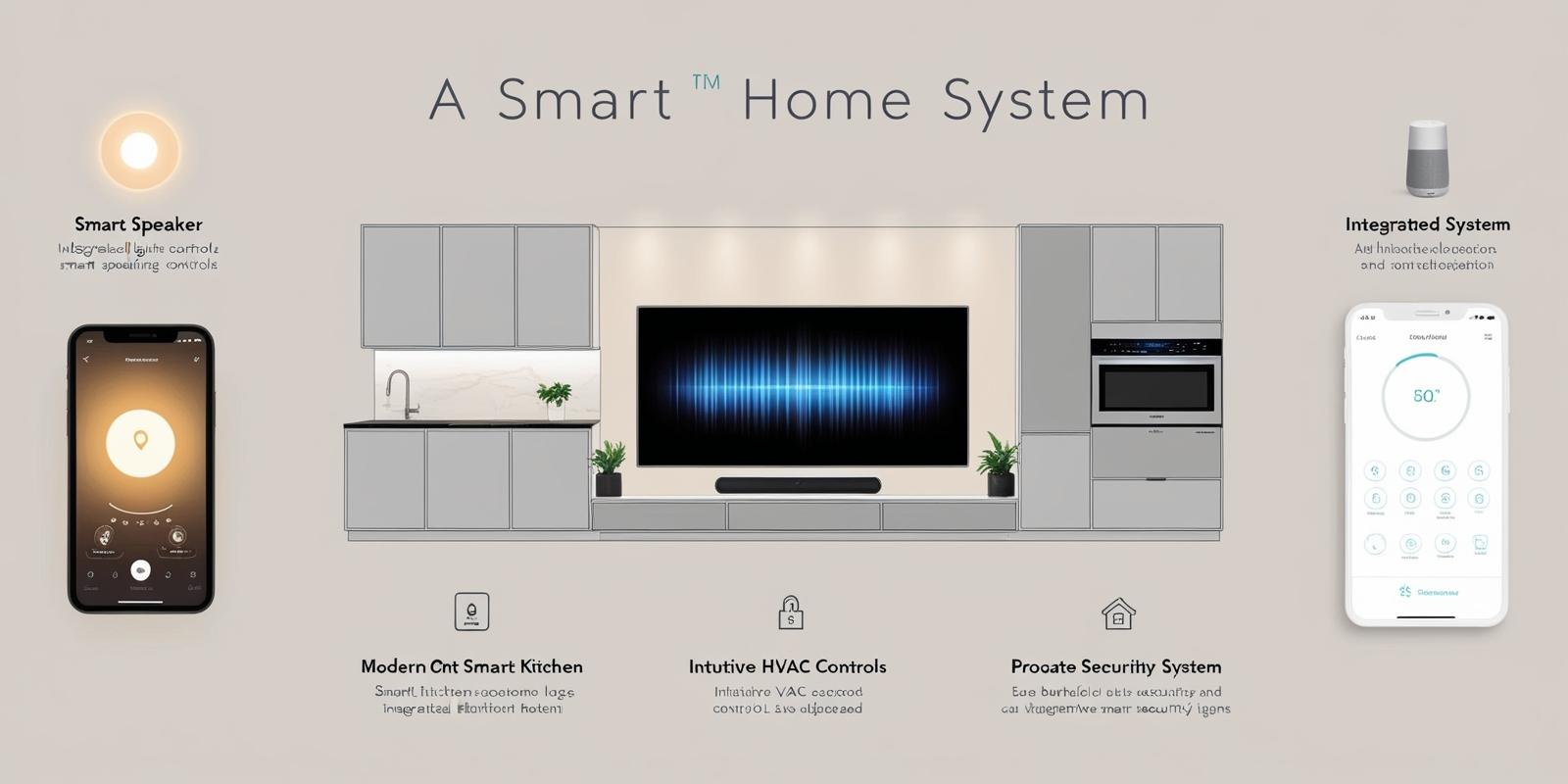
Strategies Driving Competition
The North America Smart Home Market is highly competitive, and companies are employing several key strategies to differentiate themselves:
1. Product Innovation
Leading players continuously innovate by introducing advanced IoT devices, AI-powered home assistants, and energy-efficient appliances. Smart security systems, smart lighting, and automated climate control are at the forefront of product development.
2. Strategic Partnerships and Acquisitions
Collaborations between device manufacturers, software providers, and telecom operators allow companies to offer integrated smart home ecosystems. Acquisitions of smaller tech firms with niche capabilities also strengthen market presence.
3. Platform Integration
Unified platforms that allow seamless connectivity between multiple devices are critical. Companies like Google, Amazon, and Apple emphasize ecosystems that integrate lighting, security, climate control, and entertainment systems, driving user loyalty.
4. Expansion into Services
Beyond devices, service offerings such as smart home monitoring, subscription-based cloud services, and AI-driven automation enhance customer engagement and recurring revenue streams.
5. Focus on Security and Data Privacy
With increasing concerns about cybersecurity and personal data protection, companies are prioritizing secure connectivity, encrypted communication, and privacy-compliant platforms to build consumer trust.
Market Trends Influencing Competition
Several North America Smart Home Market trends are influencing competitive dynamics:
-
Growing Adoption of AI and Voice Assistants: Voice-controlled smart home devices are becoming standard in connected homes.
-
Energy Management and Sustainability: Consumers are investing in smart devices that reduce energy consumption and support eco-friendly lifestyles.
-
Integration of IoT and Cloud Platforms: Cloud-based platforms enhance remote monitoring, predictive analytics, and device interoperability.
-
Rising Security Concerns: Smart locks, cameras, and monitoring services are increasingly prioritized by homeowners.
-
Customization and Personalization: Companies are offering personalized smart home experiences based on user behavior and preferences.
These trends force companies to innovate rapidly while maintaining affordability and ease of use.
Challenges Facing the North America Smart Home Market
Despite growth, the North America Smart Home Market faces challenges:
-
High Initial Costs: Premium devices and integrated ecosystems can be expensive for consumers.
-
Interoperability Issues: Devices from different manufacturers may struggle to work together without unified platforms.
-
Data Privacy Concerns: Smart homes collect vast amounts of personal data, requiring strict compliance with privacy regulations.
-
Market Fragmentation: Numerous small players create intense competition and price pressures.
Addressing these challenges is critical for companies aiming to maintain or expand their market share.
The North America Smart Home Market is highly competitive, driven by innovation in IoT devices, AI, automation, and connected platforms. Key players like Amazon, Google, Apple, Samsung, Honeywell, and ADT are leveraging product innovation, strategic partnerships, platform integration, and service expansion to strengthen their market positions.
As consumer demand for smarter, safer, and energy-efficient homes continues to rise, companies that prioritize innovation, interoperability, and security will lead the growth trajectory of the North America Smart Home Market, creating opportunities for investors, technology providers, and service providers alike.
Frequently Asked Questions (FAQ): North America Smart Home Market
1. What is the North America Smart Home Market?
The North America Smart Home Market refers to the industry focused on connected home devices, automation systems, platforms, and services that enhance convenience, security, energy efficiency, and remote monitoring across residential properties in the U.S. and Canada.
2. Who are the key players in the North America Smart Home Market?
Major players in the North America Smart Home Market include Amazon (Alexa ecosystem), Google (Nest), Apple (HomeKit), Samsung (SmartThings), Honeywell, and ADT. These companies compete through innovation, ecosystem development, and service integration.
3. What strategies are companies using to compete in the North America Smart Home Market?
Key competitive strategies include:
-
Continuous product innovation in IoT and AI-enabled devices
-
Development of integrated smart home ecosystems
-
Strategic partnerships and acquisitions
-
Expansion into subscription-based services
-
Focus on cybersecurity and data privacy
4. What are the main growth drivers of the North America Smart Home Market?
Growth is driven by:
-
Increasing adoption of IoT devices
-
Rising demand for home security and surveillance
-
Integration of AI and voice assistants
-
Energy efficiency and sustainability initiatives
-
Growth in cloud-based smart home platforms