
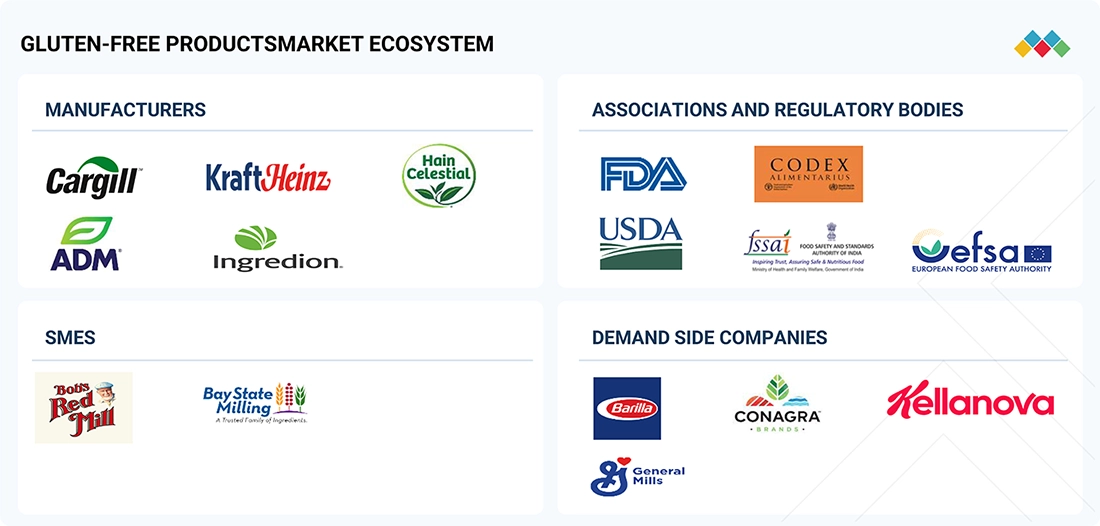
The global gluten-free products market is entering a new phase of steady and resilient growth. The market is projected to expand from USD 8.34 billion in 2025 to USD 11.78 billion by 2030, growing at a CAGR of 7.2% during the forecast period. This gluten-free products market outlook reflects the category’s evolution from a medical necessity into a widely adopted functional food segment.
Once viewed primarily as a niche category serving celiac patients, gluten-free products are now transitioning into a mainstream functional food segment. This shift is driven by regulatory convergence, portfolio-wide integration by large FMCG companies, and continuous innovation in taste, texture, and cost parity—positioning gluten-free offerings as a sustained growth opportunity across retail and foodservice channels globally.
Schedule a call with our Analysts to discuss your business needs
Key Market Takeaways
- North America is estimated to account for 50.4% of the global gluten-free products market in 2025.
- By product type, the snacks and ready-to-eat products segment is projected to grow at the highest rate from 2025 to 2030.
- By distribution channel, conventional stores are expected to dominate the market with a share of 71.7% in 2025.
- By form, solid products are estimated to account for 90.3% of the market in 2025.
- Large FMCG players such as The Kraft Heinz Company, The Hain Celestial Group, General Mills Inc., and Conagra Brands, Inc. continue to lead due to strong brand equity and extensive product portfolios.
- Companies including Kellanova, Barilla G. e R. Fratelli S.p.A., and Raisio Oyj have built strong positions in specialized and premium niches, underscoring evolving gluten-free products market trends toward innovation-led differentiation.
Beyond Medical Necessity: Shifting Consumer Motivations
While celiac disease remains a core driver, gluten-free consumption is increasingly influenced by lifestyle considerations such as perceived digestive benefits, energy optimization, and clean-label preferences. Fitness-oriented and wellness-focused consumers are actively seeking allergen-friendly foods that align with broader nutritional goals, accelerating demand well beyond clinically diagnosed populations.
Market Driver: Rising Diagnosis of Celiac Disease and Food Allergies
The gluten-free products market continues to be fundamentally supported by the rising diagnosis of celiac disease and non-celiac gluten sensitivity. Improved diagnostic protocols, wider access to gastroenterology care, and updated screening guidelines across North America, Europe, and parts of Asia have expanded the diagnosed patient pool, reinforcing baseline demand for gluten-free alternatives.
Gluten-Free Products Market by Distribution Channel
Conventional stores—including supermarkets, hypermarkets, and internet-enabled retailers—are expected to dominate the market throughout the forecast period. Their extensive assortments, convenience, and accessibility make them the primary purchasing channel for consumers integrating gluten-free foods into routine grocery shopping.
Gluten-Free Products Market by Form
Solid formats such as snacks, bakery products, cereals, and ready-to-eat meals are expected to hold a significant share of the market. Their ease of handling, longer shelf life, and suitability for large-scale manufacturing support wide adoption across both retail and foodservice environments.
Regional Outlook: North America at the Forefront
North America is poised to lead the global gluten-free products market as the category shifts decisively from a condition-driven niche to a mainstream functional food segment. Regulatory maturity, high consumer awareness, and portfolio integration by large FMCG players continue to strengthen the region’s leadership position.
Key Market Players
The competitive landscape comprises multinational corporations and specialized gluten-free brands:
- The Kraft Heinz Company
- The Hain Celestial Group
- General Mills Inc.
- Conagra Brands, Inc.
- Kellanova
- Barilla G. e R. Fratelli S.p.A.
- Raisio Oyj
- Dr. Schär AG / SPA
- Ecotone
- Enjoy Life
- Alara Wholefoods Ltd
- Katz Gluten Free
- Genius Foods
- Silly Yaks – For Real Taste
- Norside Foods Ltd
Recent Developments
- In July 2024, The Kraft Heinz Company expanded its gluten-free snack portfolio through innovative frozen novelties designed to meet growing demand for indulgent yet allergen-friendly products.
- In March 2024, The Hain Celestial Group launched vegetable-infused gluten-free tortilla chips, strengthening its health-forward snacking portfolio.
- In February 2024, General Mills Inc. introduced new gluten-free yogurt variants, enhancing its competitive positioning in value-added dairy offerings.
This gluten-free products market report highlights a category that is no longer defined solely by dietary restriction. As functional nutrition, clean-label positioning, and sensory innovation converge, gluten-free foods are becoming a permanent fixture in mainstream diets. Continued investment by major FMCG companies, alongside innovation from niche specialists, is expected to sustain long-term growth and competitive momentum through 2030.
Frequently Asked Questions (FAQs)
- What are gluten-free products?
Gluten-free products are foods formulated without gluten, a protein found in wheat, barley, and rye. They are essential for individuals with celiac disease and non-celiac gluten sensitivity and are increasingly consumed by health-conscious consumers. - Why is the gluten-free products market growing?
Market growth is driven by rising diagnosis of celiac disease and food allergies, increasing awareness of digestive health, clean-label preferences, and wider availability of gluten-free options across mainstream retail and foodservice channels. - Which region leads the gluten-free products market?
North America leads the market due to high consumer awareness, advanced diagnostic practices, strong regulatory frameworks, and widespread adoption of gluten-free products by large FMCG brands. - Which product segments are growing fastest?
Snacks and ready-to-eat products are projected to grow at the fastest rate, supported by convenience-driven consumption and innovation in taste and texture. - What role do conventional stores play in gluten-free product sales?
Conventional stores, including supermarkets and hypermarkets, dominate distribution because they offer wide product availability, convenience, and trusted retail environments for everyday grocery purchases.