
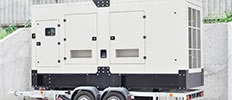
The US Power Rental Market is projected to reach USD 3.86 billion by 2030 from USD 2.94 billion in 2025, at a CAGR of 5.7% during the forecast period. The rising demand for power supply, increasing peak load management, along with rapid urbanization, industrialization, and infrastructure development, necessitate temporary power solutions. These factors are expected to boost the US power rental market during the forecast period.
North America Power Rental Market Size & Forecast:
- Market Size Available for Years: 2021–2030
- 2025 Market Size: USD 2.94 billion
- 2030 Projected Market Size: USD 3.86 billion
- CAGR (2025–2030): 5.7%
Download PDF Brochure: https://www.marketsandmarkets.com/pdfdownloadNew.asp?id=16430997
The diesel segment is expected to hold the largest share of the US power rental market, by fuel type, in 2025.
Diesel is anticipated to be the largest segment in the US power rental market during the forecast period. In the US, diesel generators are heavily relied upon to meet temporary power requirements across various construction projects, large events, and emergency backup situations. Their strong performance in harsh conditions, high reliability, and flexibility make them an ideal choice when grid power is limited and unstable. As a result, diesel rental generators continue to be a go‑to solution for keeping critical equipment and facilities running smoothly across the US.
Construction segment is projected to be the second-fastest-growing segment during the forecast period.
In the US power rental market, the construction segment is projected to be the second-fastest-growing segment during the forecast period. This is due to rapid urbanization and expansion in the residential and commercial sectors, which require temporary power for remote sites. Key trends include increased government spending in infrastructure, with a shift toward sustainable, energy-efficient rental equipment amid stricter emission norms. Frequent outages from aging grids and rising peak demand during events further boost reliance on power rental equipment, positioning construction as a high-growth pillar in the market.
Request Sample Pages: https://www.marketsandmarkets.com/requestsampleNew.asp?id=16430997
The US Power Rental Market is dominated by major players that have a wide regional presence. The report profiles key players, such as United Rentals, Inc. (US), Aggreko (UK), Herc Rentals Inc. (US), Generac Power Systems, Inc. (US), and Caterpillar (US).
Aggreko
Aggreko provides power generators and temperature control solutions for rent. The company offers a range of products and services, including power generation, cooling rental & solutions, dehumidification, load bank rental, energy storage, new generators, power plants, and hybrid power plants. It caters to the needs of various industries, including utilities, oil & gas, events, construction, mining, manufacturing, IT, and data centres, and others. Aggreko operates through two business units: Power Solutions and Rental Solutions. The Power Solutions segment serves utility and industrial customers, while its sub-segment, Industrial Power Solutions, caters to various industries, including oil & gas, petrochemicals & refining, and mining. It provides power rental solutions under its Rental Solutions business segment. The Rental Solutions segment offers solutions and equipment to customers, as well as contractual turnkey solutions that include service and maintenance.
Caterpillar
Caterpillar is a leading manufacturer of construction and mining equipment, diesel and alternative fuel engines, turbine engines, and heavy equipment locos, as well as offering service and maintenance during the entire lifespan of each machine manufactured. It operates through four main segments (Construction Industries, Resource Industries, Energy & Transportation, and the financial products segment), all of which have a strong commitment to meeting customers’ needs. Caterpillar also offers its construction products sector rental services. The company provides rental equipment services from the Energy & Transportation segment.