
The Europe home automation system market has been witnessing steady expansion as households increasingly adopt smart technologies to enhance comfort, energy efficiency, and security. Home automation systems integrate devices such as lighting, heating, ventilation, air conditioning, security systems, and entertainment units into a centralized, intelligent network. Across Europe, rising digitalization, growing awareness of smart living concepts, and supportive government initiatives promoting energy-efficient buildings are playing a crucial role in shaping the market landscape.
Download PDF Brochure @ https://www.marketsandmarkets.com/pdfdownloadNew.asp?id=66323464
Industry Overview
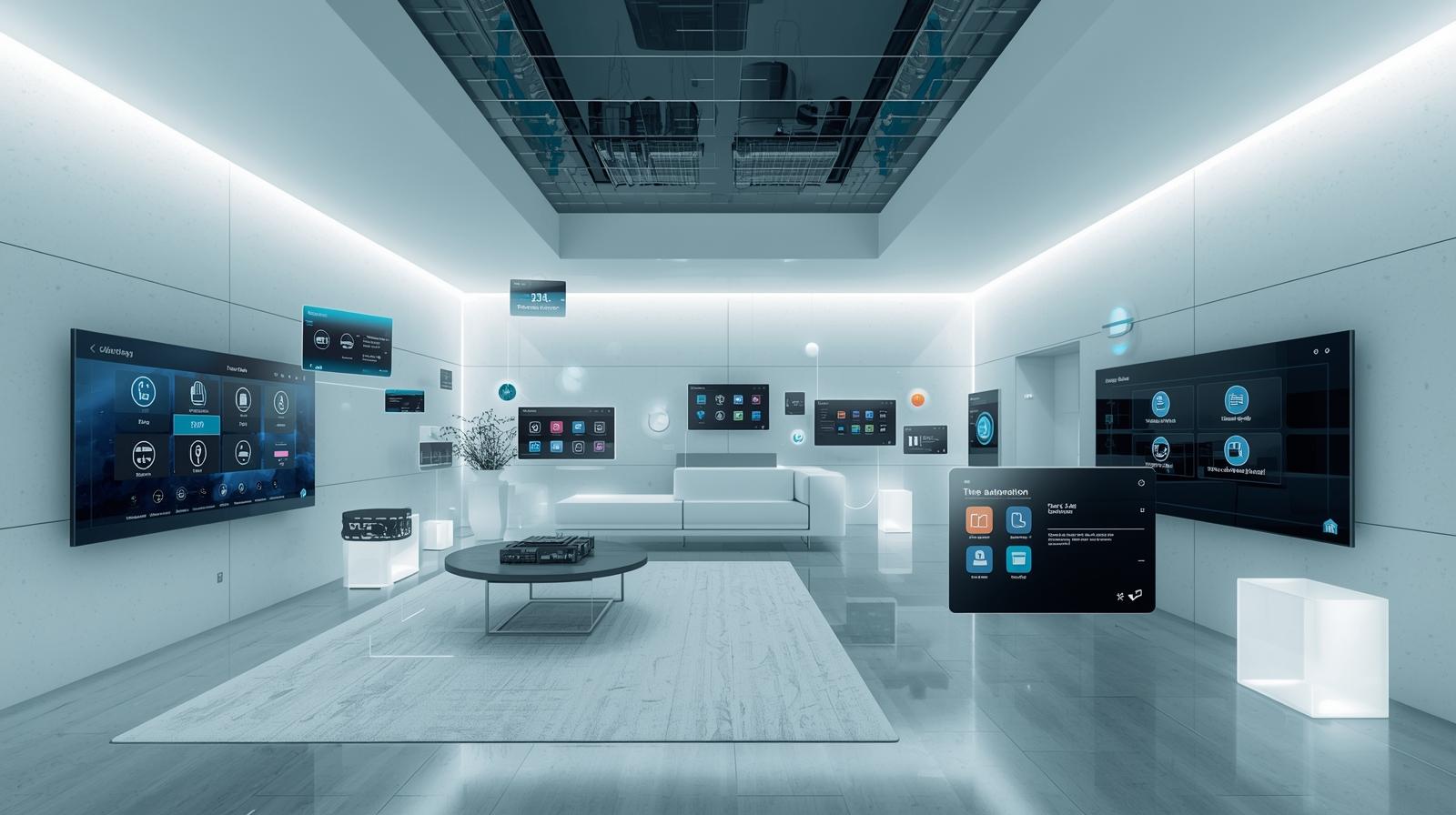
Home automation in Europe is evolving from a luxury concept to a mainstream household solution. The market encompasses hardware, software, and services that enable remote and automated control of residential systems. European countries are experiencing strong adoption due to high internet penetration, widespread smartphone usage, and a growing preference for connected homes. Urbanization and the development of smart cities across the region are further accelerating demand for home automation solutions.
Western European countries such as Germany, the UK, France, and the Nordic nations are at the forefront of adoption, driven by higher disposable incomes and advanced digital infrastructure. Meanwhile, Eastern European markets are gradually emerging as awareness increases and technology becomes more affordable. The industry is also benefiting from the strong presence of technology providers and home automation solution developers offering interoperable and scalable systems.
Key Market Trends
One of the most prominent trends in the Europe home automation system market is the increasing focus on energy management. With rising energy costs and stringent regulations aimed at reducing carbon emissions, homeowners are adopting smart thermostats, automated lighting, and energy monitoring systems. These solutions enable users to optimize energy consumption, reduce utility bills, and comply with sustainability goals, making them particularly attractive in Europe’s environmentally conscious market.
Another significant trend is the integration of artificial intelligence and voice-controlled assistants. AI-powered home automation systems can learn user behavior, automate routine tasks, and provide predictive maintenance alerts. Voice assistants have become a preferred interface for controlling smart home devices, enhancing convenience and accessibility. This trend is especially strong among younger consumers and tech-savvy households.
Security and safety automation is also gaining traction across Europe. Smart surveillance cameras, video doorbells, motion sensors, and automated access control systems are increasingly being adopted to enhance residential security. Rising concerns about home safety and the need for real-time monitoring are encouraging homeowners to invest in advanced security automation solutions.
Technology Advancements Shaping the Market
Technological innovation is a key driver of growth in the Europe home automation system market. Advancements in wireless communication technologies such as Wi-Fi, Bluetooth, Zigbee, and Z-Wave have improved connectivity and interoperability among smart devices. Cloud-based platforms are enabling seamless remote access and control, while edge computing is enhancing system responsiveness and data security.
Interoperability and open standards are becoming increasingly important as consumers seek integrated solutions that work across multiple brands and platforms. Manufacturers are focusing on developing compatible ecosystems that allow users to add new devices without replacing existing infrastructure. This flexibility is supporting higher adoption rates and improving customer satisfaction.
Growth Outlook and Market Opportunities
The growth outlook for the Europe home automation system market remains positive over the coming years. Increasing investments in smart building infrastructure, rising renovation activities, and growing demand for intelligent living spaces are expected to fuel market expansion. Government policies promoting energy-efficient housing and smart metering initiatives are further supporting market growth.
The aging population in Europe is also creating new opportunities for home automation solutions tailored to assisted living. Smart home technologies that enable remote monitoring, automated alerts, and health-related integrations are gaining importance, particularly in countries with a high proportion of elderly residents.
Additionally, the expansion of e-commerce and online distribution channels is making home automation products more accessible to consumers. Competitive pricing, bundled solutions, and subscription-based services are encouraging adoption among middle-income households, broadening the market base.
For more info: https://www.marketsandmarkets.com/Market-Reports/europe-home-automation-control-systems-market-66323464.html