
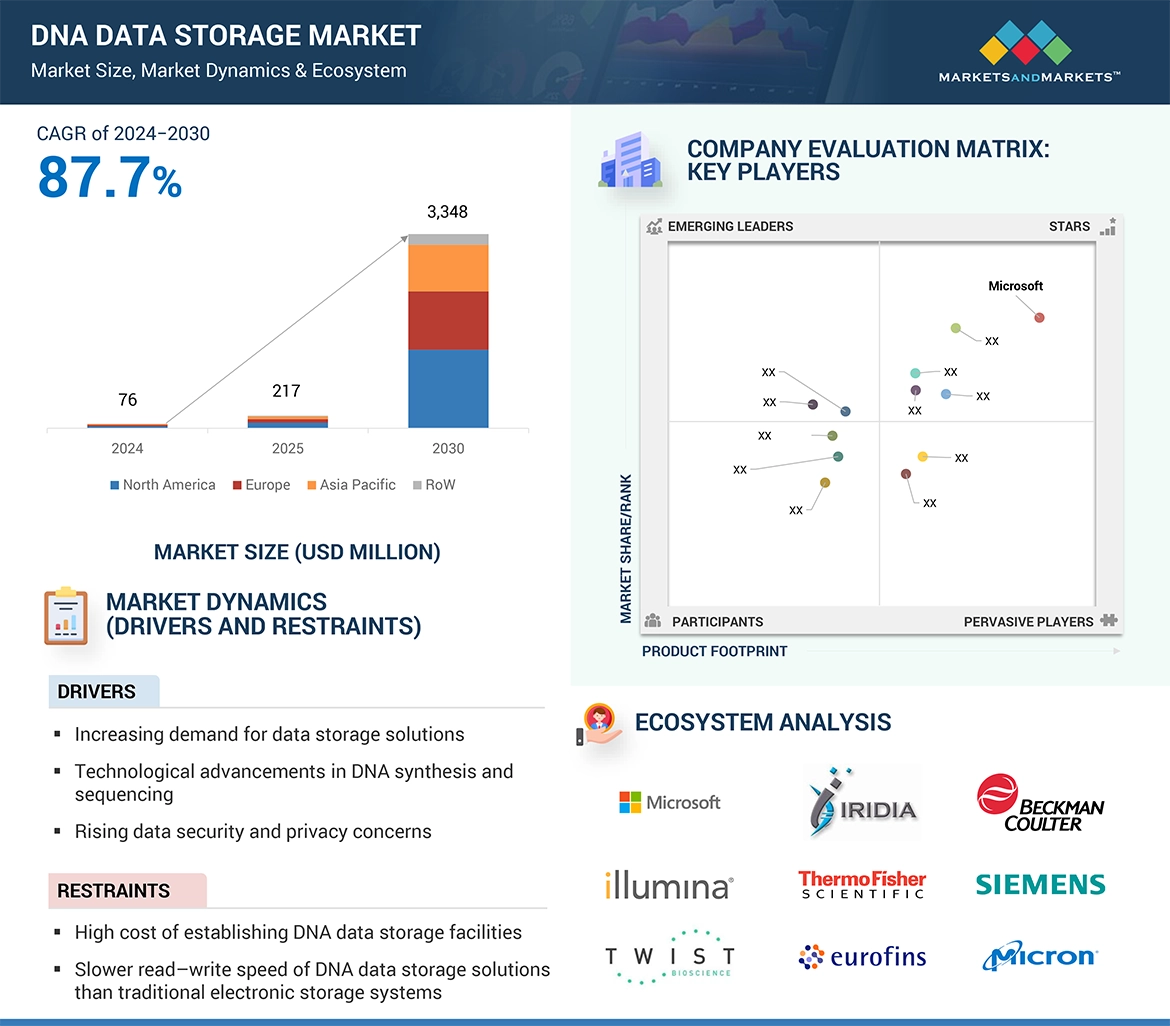
The DNA Data Storage Market is gaining increasing attention across healthcare, genomics, and life sciences as these sectors generate massive volumes of complex and highly sensitive data. From genomic sequencing and clinical imaging to electronic health records and research datasets, data growth is outpacing the capabilities of conventional storage technologies. DNA-based storage offers an ultra-high-density, long-term, and energy-efficient alternative, making it particularly well suited for data-intensive scientific and medical environments. As a result, healthcare and life sciences are emerging as key contributors to the growth trajectory of the DNA data storage market.
In healthcare, the digitalization of patient information is accelerating rapidly. Electronic health records, diagnostic imaging, wearable device data, and real-world evidence collected from clinical settings require secure and durable storage solutions. DNA data storage provides exceptional longevity, with the ability to preserve data for decades or even centuries without degradation when stored under controlled conditions. This long-term stability aligns well with regulatory and clinical requirements for data retention, supporting market adoption within hospitals, research institutions, and healthcare data repositories.
Download PDF Brochure @ https://www.marketsandmarkets.com/pdfdownloadNew.asp?id=68300978
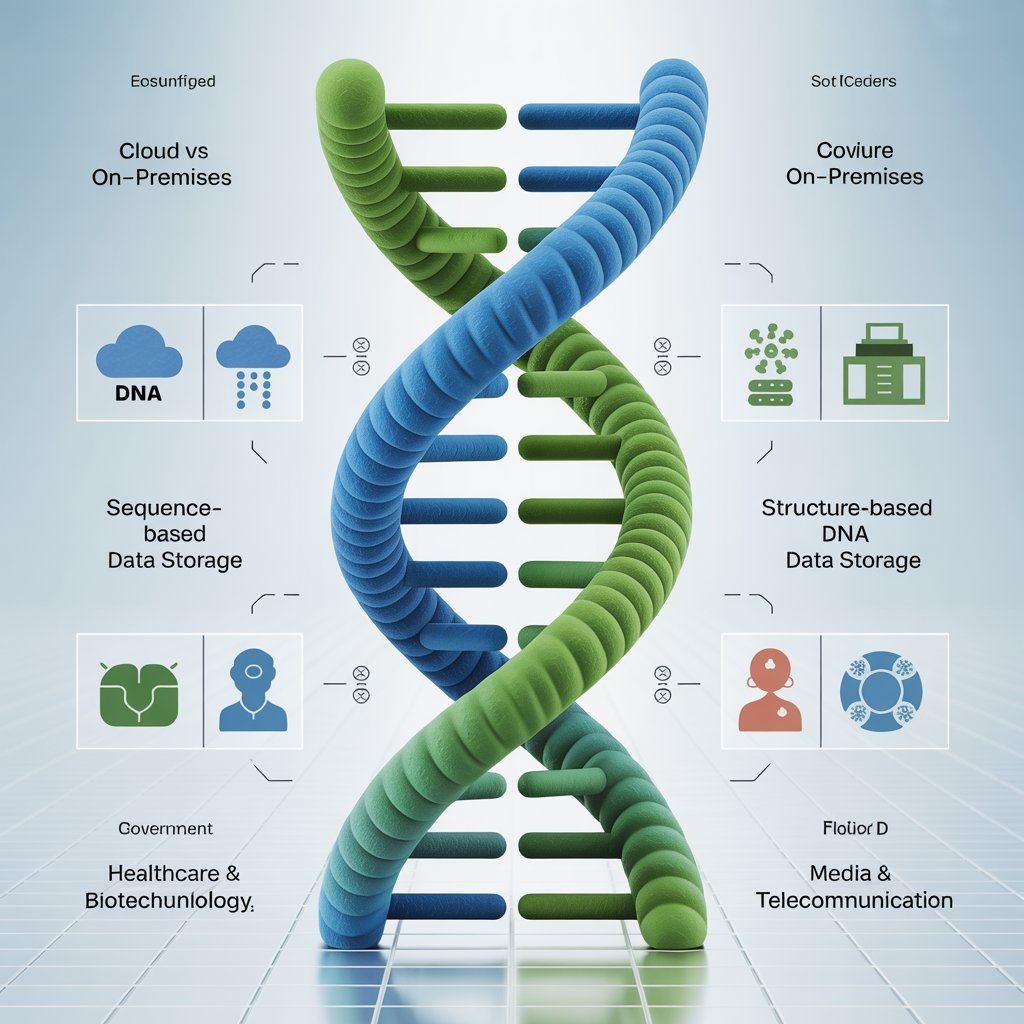
Genomics is one of the strongest drivers of DNA data storage market growth. Advances in next-generation sequencing technologies have significantly reduced the cost of sequencing, leading to an explosion in genomic data generation. Large-scale initiatives in population genomics, personalized medicine, and rare disease research are producing petabytes of sequence data that must be archived and accessed over long time horizons. DNA data storage offers a natural synergy with genomics, as it leverages the same biological molecule used to encode genetic information, creating efficiencies in data handling and long-term archiving.
The life sciences sector is also contributing to market expansion as research organizations increasingly rely on data-driven discovery. Fields such as proteomics, metabolomics, and systems biology generate highly complex datasets that need to be stored, shared, and reanalyzed over time. DNA-based storage systems provide unmatched data density, allowing institutions to store vast datasets in minimal physical space. This advantage is particularly valuable for research centers and biobanks facing space constraints and rising infrastructure costs associated with traditional data centers.
Inquiry Before Buying @ https://www.marketsandmarkets.com/Enquiry_Before_BuyingNew.asp?id=68300978
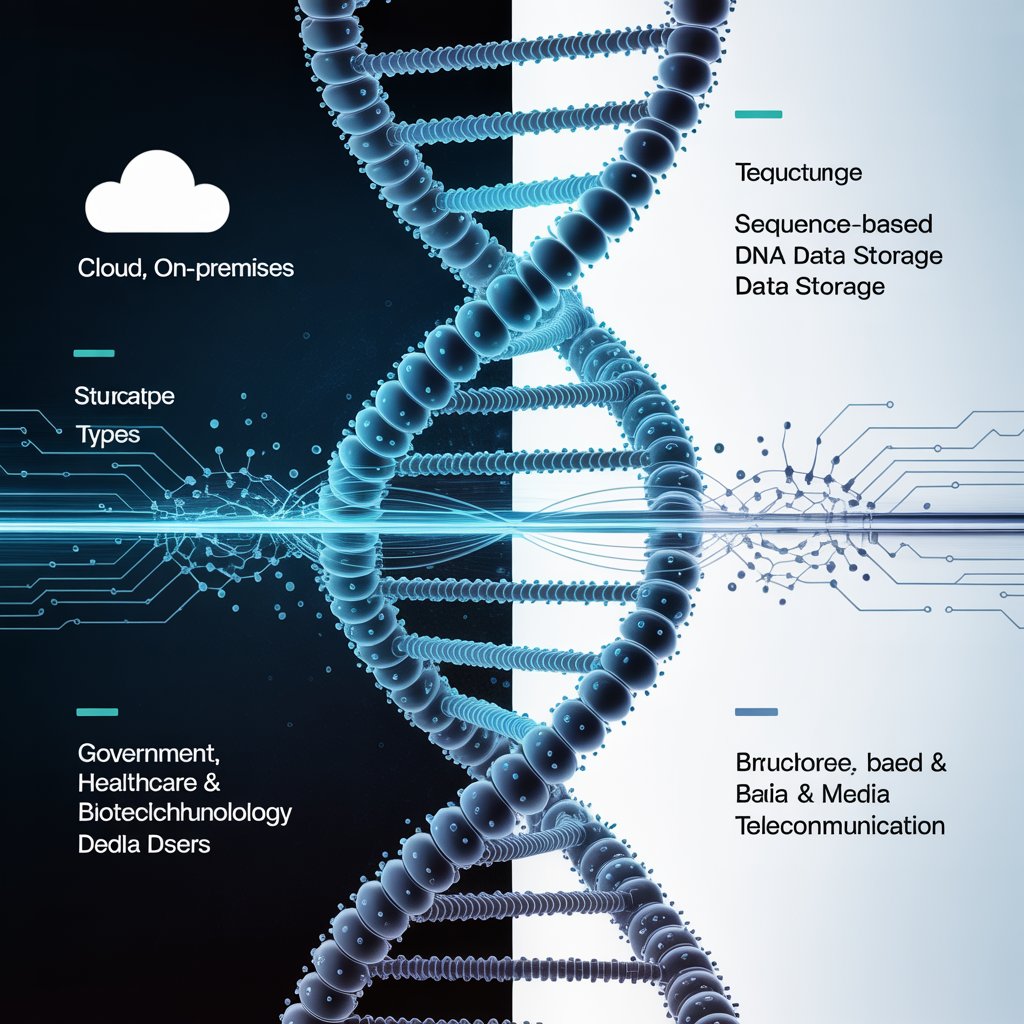
Data security and integrity are critical considerations in healthcare and life sciences, further supporting DNA data storage market growth. DNA storage can be designed with advanced encryption and physical isolation, reducing the risk of cyberattacks and unauthorized access. Unlike conventional digital storage that requires continuous power and network connectivity, DNA storage systems can be maintained offline, significantly lowering exposure to security threats. This inherent resilience is increasingly attractive for safeguarding sensitive patient data, proprietary research findings, and intellectual property.
Another factor driving adoption is the growing emphasis on long-term data preservation for regulatory compliance and scientific reproducibility. Clinical trials, drug development programs, and longitudinal studies require data to be retained for extended periods to meet regulatory standards and enable future reanalysis. DNA data storage’s ability to preserve data without frequent migration or refresh cycles addresses a major challenge faced by healthcare and life sciences organizations, reducing long-term costs and operational complexity.
View detailed Table of Content here – https://www.marketsandmarkets.com/Market-Reports/dna-data-storage-market-68300978.html
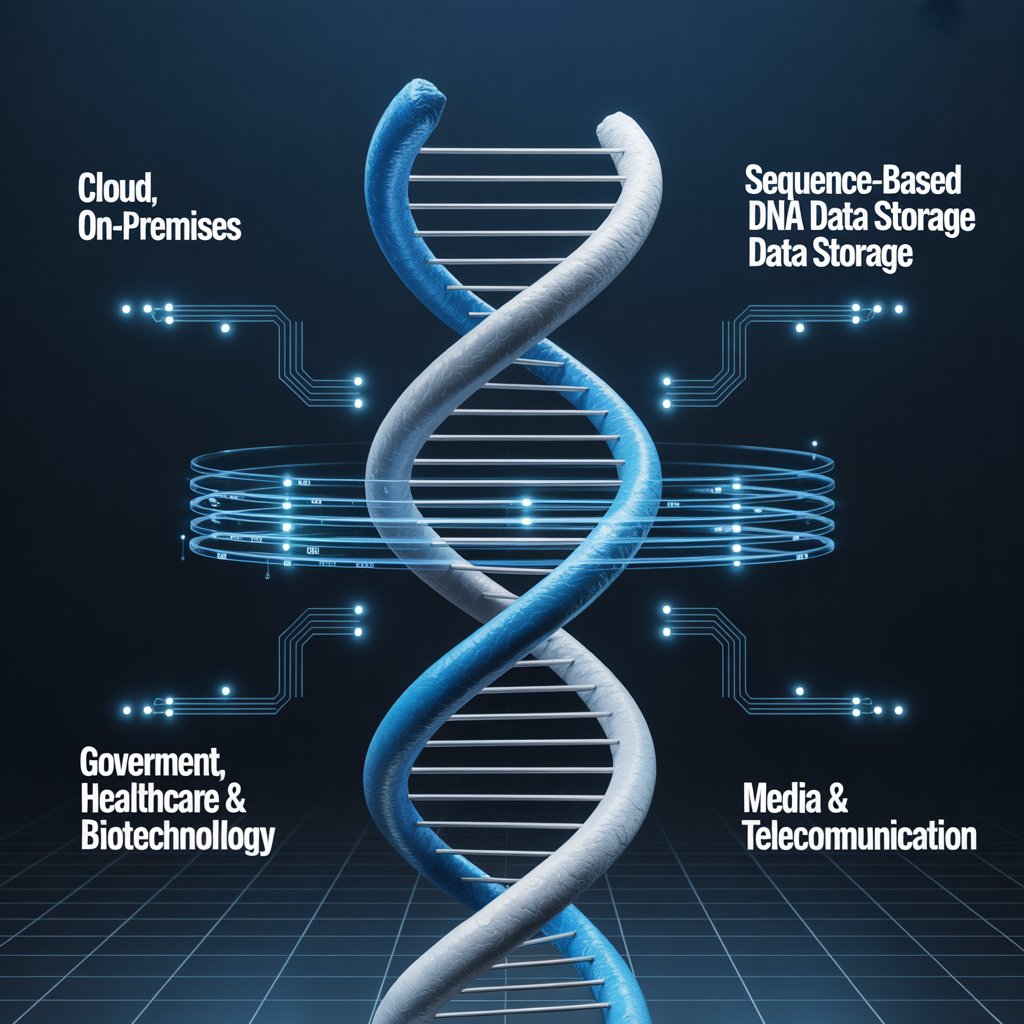
The integration of DNA data storage with existing bioinformatics and laboratory workflows is also supporting market growth. As sequencing platforms, automation tools, and AI-driven analytics become more advanced, the technical barriers to implementing DNA storage are gradually diminishing. Research institutions and healthcare organizations are exploring hybrid storage architectures that combine traditional electronic storage for active data with DNA-based storage for archival datasets. This complementary approach enhances overall data management efficiency and accelerates market acceptance.
Investment and collaboration trends further highlight the importance of healthcare, genomics, and life sciences in shaping the DNA data storage market. Technology providers are partnering with biotechnology companies, academic institutions, and healthcare organizations to pilot DNA storage solutions and validate their performance in real-world settings. Government-funded genomics programs and national health initiatives are also supporting research into alternative storage technologies, creating a favorable ecosystem for innovation and commercialization.
In conclusion, the growth of the DNA data storage market in healthcare, genomics, and life sciences is being driven by unprecedented data generation, the need for long-term preservation, and increasing concerns around security and sustainability. As these sectors continue to embrace data-intensive research and personalized medicine, DNA-based storage is positioned as a transformative solution for managing future data demands. With ongoing technological advancements and growing industry collaboration, healthcare and life sciences are expected to remain at the forefront of DNA data storage market expansion.