
The global push toward sustainable transportation is reshaping the automotive industry, with electric and hybrid vehicles at the center of this transformation. At the heart of these vehicles lies a critical technology—the Automotive Battery Management System (BMS). As automakers accelerate electrification strategies and governments enforce stricter emission regulations, the automotive BMS market is emerging as a key enabler of cleaner, safer, and more efficient mobility.
Understanding the Role of Automotive BMS
An Automotive Battery Management System is an electronic system that monitors, controls, and optimizes the performance of a vehicle’s battery pack. It ensures safe operation by managing parameters such as voltage, current, temperature, and state of charge (SoC). By preventing overcharging, deep discharging, and thermal runaway, BMS technology significantly enhances battery safety and reliability.
Beyond safety, BMS plays a vital role in maximizing battery efficiency and lifespan—two factors that are critical for sustainable transportation.
Driving Sustainability Through Efficiency and Longevity
One of the biggest sustainability challenges in electric mobility is battery degradation and waste. Advanced BMS solutions address this by enabling:
-
Optimal energy utilization, reducing unnecessary power losses
-
Extended battery life, minimizing the need for frequent battery replacements
-
Accurate state-of-health (SoH) monitoring, supporting predictive maintenance
By improving battery longevity, BMS technology helps reduce the environmental impact associated with battery production, raw material extraction, and disposal.
Supporting the Growth of Electric and Hybrid Vehicles
The rapid adoption of electric vehicles (EVs), plug-in hybrids (PHEVs), and hybrid electric vehicles (HEVs) is a major driver of the automotive BMS market. Modern EV architectures rely on sophisticated BMS platforms to manage complex battery packs with hundreds or thousands of cells.
As EV penetration increases across passenger cars, commercial vehicles, and two- and three-wheelers, demand for scalable and intelligent BMS solutions continues to rise—making BMS a foundational technology for sustainable transportation ecosystems.
Download PDF Brochure @ https://www.marketsandmarkets.com/pdfdownloadNew.asp?id=15321159
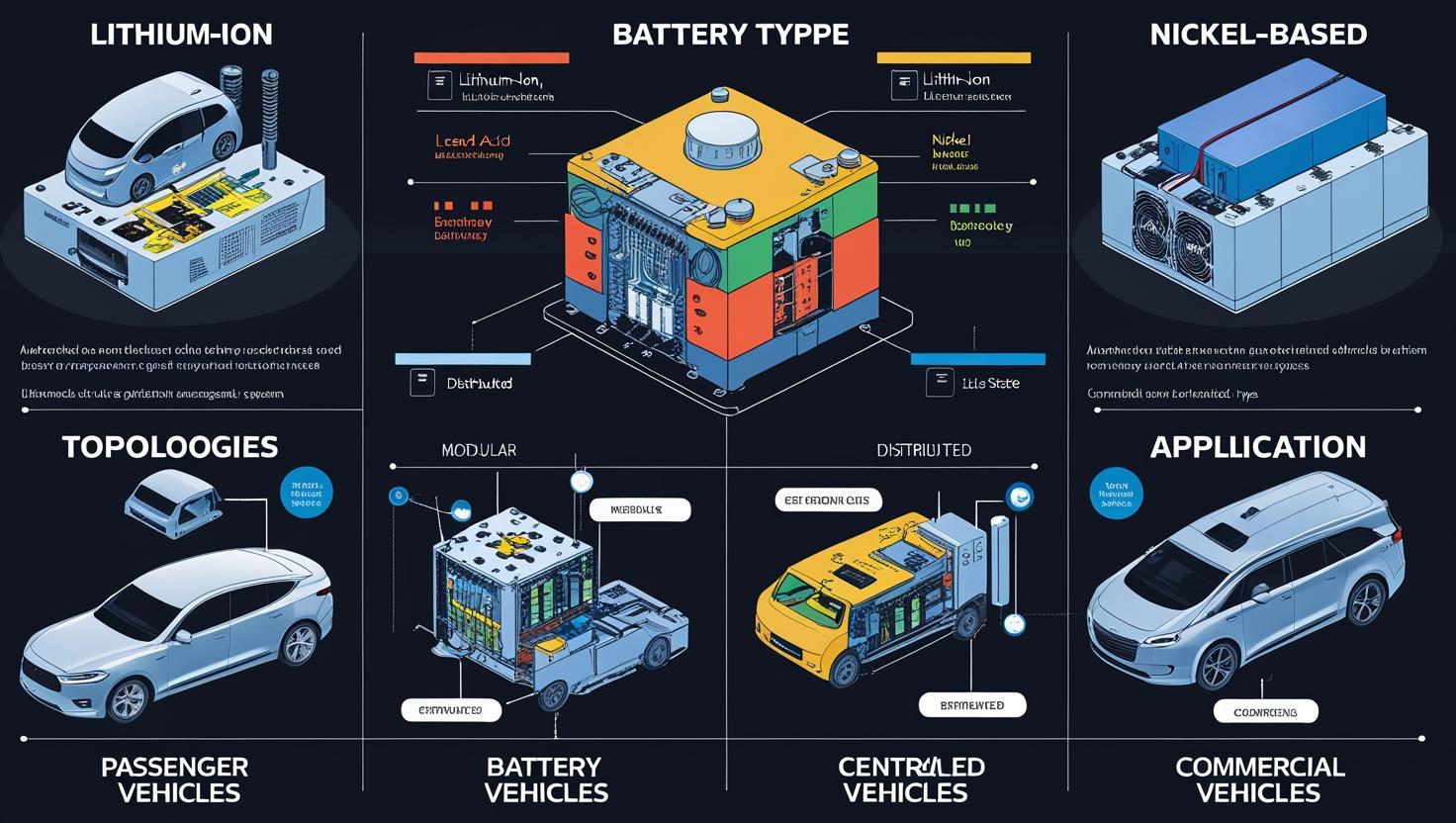
Technological Advancements Strengthening BMS Capabilities
Innovation is further enhancing the role of BMS in sustainability. Key advancements include:
-
AI and machine learning integration for predictive diagnostics and performance optimization
-
Advanced thermal management systems to improve safety and efficiency
-
Wireless and cloud-connected BMS enabling real-time monitoring and data-driven insights
These technologies help automakers design vehicles that are not only more energy-efficient but also smarter and more adaptable to future mobility needs.
Regulatory Support and Industry Collaboration
Government policies promoting zero-emission vehicles and stricter fuel economy standards are accelerating BMS adoption. At the same time, collaborations between automakers, battery manufacturers, and technology providers are driving innovation and standardization in BMS design.
Such initiatives ensure that battery systems meet safety, performance, and sustainability requirements across global markets.
Future Outlook
As the world moves toward carbon neutrality, the Automotive Battery Management System market will play an increasingly strategic role. From improving battery efficiency and safety to supporting large-scale EV adoption, BMS technology is a cornerstone of sustainable transportation.
With continuous advancements and growing investments, automotive BMS solutions are set to become more intelligent, cost-effective, and environmentally impactful—powering the next generation of clean and sustainable mobility.
Investor FAQ
1. Why is the Automotive BMS market attractive to investors?
The Automotive BMS market is a critical enabler of electric and hybrid vehicles, which are central to global decarbonization efforts. As EV adoption accelerates, demand for advanced BMS solutions continues to grow, offering strong long-term revenue and scalability potential.
2. What are the key growth drivers for the Automotive BMS market?
Major drivers include:
-
Rapid global adoption of electric and hybrid vehicles
-
Stricter emission and fuel economy regulations
-
Increasing focus on battery safety, efficiency, and longevity
-
Technological advancements in AI-enabled and smart BMS platforms
3. How does BMS technology contribute to sustainable transportation?
BMS technology optimizes battery performance, extends battery lifespan, and improves energy efficiency. This reduces battery waste, lowers lifecycle emissions, and enhances the overall sustainability of electric mobility solutions.
4. Which vehicle segments offer the highest growth potential?
High-growth segments include:
-
Passenger electric vehicles
-
Commercial electric vehicles and buses
-
Two- and three-wheelers, particularly in emerging markets
These segments require cost-effective, scalable BMS solutions, creating diverse investment opportunities.