
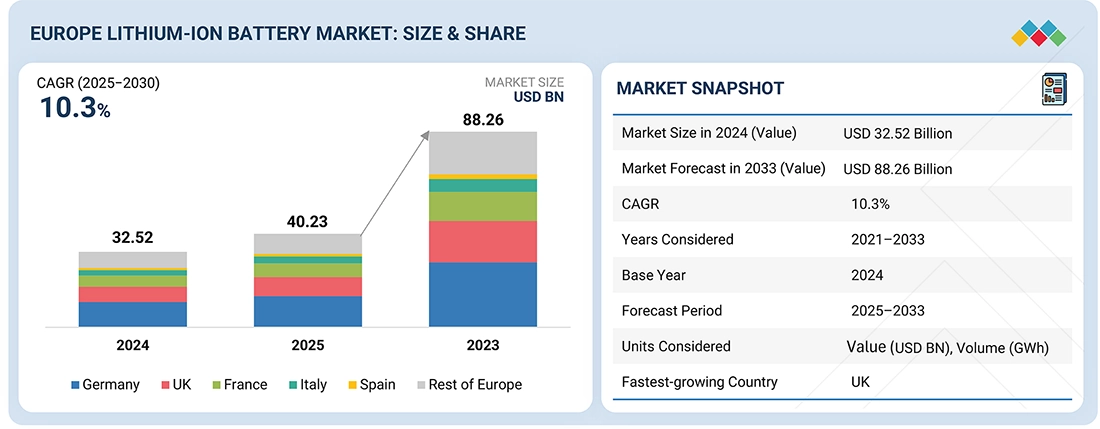
Innovation in battery management systems is playing a decisive role in driving the Europe lithium-ion battery market by enhancing performance, safety, efficiency, and lifespan across a wide range of applications. As lithium-ion batteries become central to electric vehicles, renewable energy storage, and residential and commercial energy systems, the importance of intelligent monitoring and control has grown significantly. Battery management systems act as the digital backbone of modern battery solutions, and advances in this area are accelerating adoption and expanding use cases throughout Europe.
One of the key ways battery management system innovation is influencing the market is through improved safety and reliability. Lithium-ion batteries operate within narrow voltage, temperature, and current limits, and deviations can lead to performance degradation or safety risks. Advanced battery management systems continuously monitor cell-level parameters and respond in real time to abnormal conditions. Innovations in sensing technology, fault detection algorithms, and thermal management integration have significantly reduced the risk of overheating and failure. This enhanced safety profile is particularly important in Europe, where strict regulatory standards govern battery use in vehicles, buildings, and grid-connected systems.
Download PDF Brochure @ https://www.marketsandmarkets.com/pdfdownloadNew.asp?id=249517566
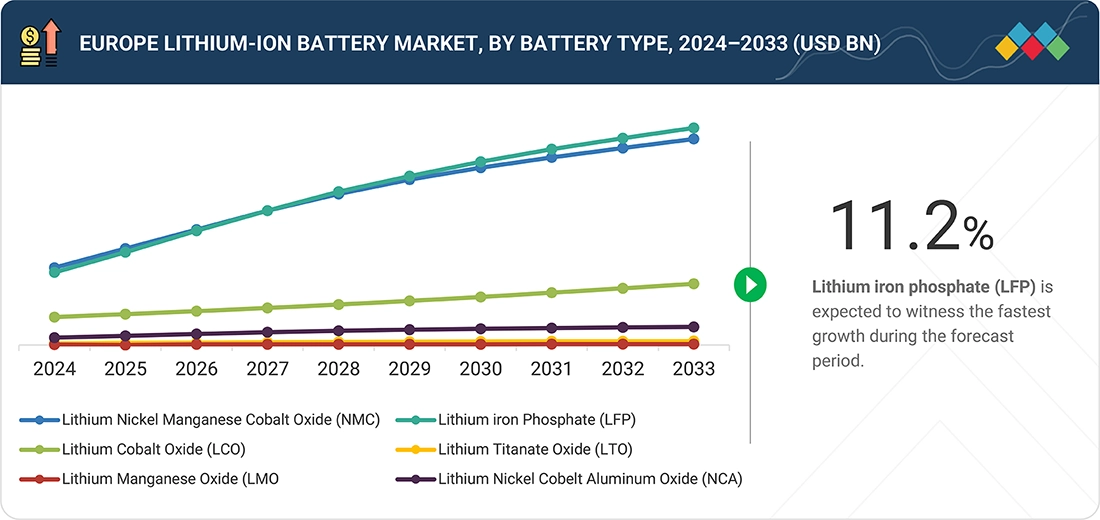
Battery performance optimization is another critical driver supported by advanced management systems. Modern battery management systems employ sophisticated algorithms to balance individual cells within a battery pack, ensuring uniform charging and discharging. This cell balancing capability maximizes usable capacity and prevents premature aging caused by uneven stress. In the Europe lithium-ion battery market, where high-performance requirements are common in electric vehicles and grid-scale storage, such optimization directly improves efficiency and reduces total cost of ownership, strengthening the value proposition for end users.
The role of battery management systems in enabling fast charging and high-energy-density batteries is becoming increasingly important. As European consumers and industries demand shorter charging times and longer battery life, management systems must precisely control charging rates and thermal conditions. Innovations such as adaptive charging algorithms and predictive thermal control allow batteries to accept higher power inputs without compromising safety or longevity. These capabilities are essential for supporting fast-charging infrastructure and next-generation battery chemistries, making battery management system innovation a key enabler of broader market trends.
Inquiry Before Buying @ https://www.marketsandmarkets.com/Enquiry_Before_BuyingNew.asp?id=249517566
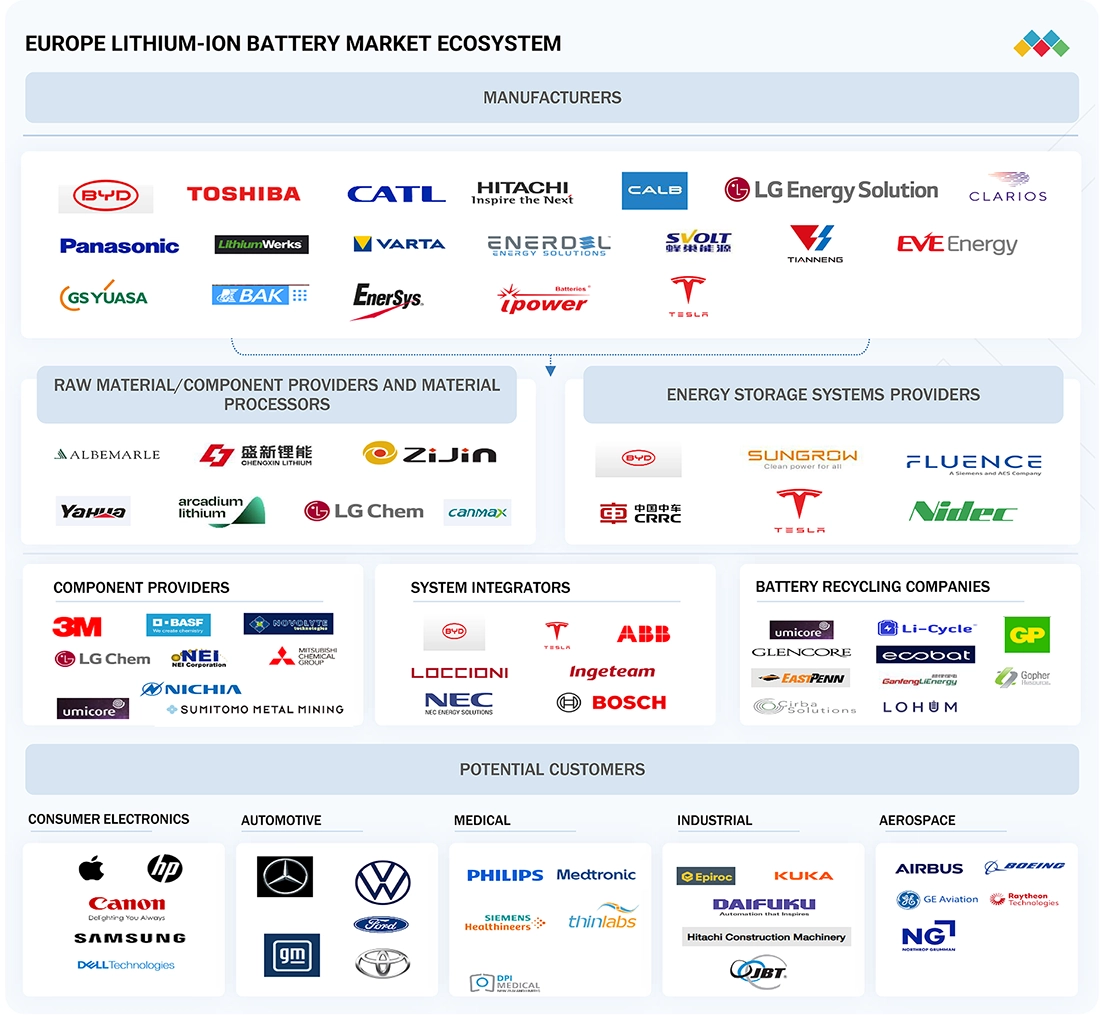
Digitalization and data analytics are further transforming battery management systems in Europe. Advanced systems now collect and analyze large volumes of operational data to provide insights into battery health, performance trends, and usage patterns. Predictive analytics and machine learning techniques are increasingly being integrated into battery management platforms to forecast degradation and optimize maintenance schedules. This data-driven approach is particularly valuable for industrial, commercial, and grid-scale energy storage operators, who rely on accurate performance forecasting to maximize asset utilization and investment returns.
Battery management systems are also playing a crucial role in extending battery lifespan and supporting circular economy objectives. By optimizing operating conditions and minimizing stress on battery cells, advanced management systems slow degradation and extend usable life. This is especially important in Europe, where sustainability and lifecycle efficiency are central to policy and market priorities. Accurate state-of-health monitoring enables batteries to be repurposed for second-life applications, such as stationary energy storage, before entering recycling streams. In this way, innovation in battery management systems supports resource efficiency and aligns with Europe’s circular economy goals.
Integration capability is another area where battery management system innovation is driving market growth. Europe’s energy systems are becoming more decentralized and interconnected, requiring batteries to interact seamlessly with grids, renewable energy sources, and energy management platforms. Modern battery management systems are designed to communicate with inverters, charging infrastructure, and grid operators, enabling real-time control and flexibility. This interoperability is essential for applications such as demand response, peak shaving, and ancillary services, where coordinated operation enhances system value.
View detailed Table of Content here — https://www.marketsandmarkets.com/Market-Reports/europe-lithium-ion-battery-market-249517566.html
The rapid expansion of electric mobility in Europe has further amplified the importance of advanced battery management systems. Electric vehicles demand highly reliable and compact battery solutions that can withstand diverse operating conditions. Innovations in automotive-grade battery management systems support functions such as regenerative braking optimization, thermal preconditioning, and real-time range estimation. These capabilities enhance vehicle performance and user experience, contributing to growing consumer confidence in electric vehicles and, by extension, the lithium-ion battery market.
Looking ahead, innovation in battery management systems will continue to be a powerful driver of the Europe lithium-ion battery market. As batteries become more advanced and applications more demanding, intelligent management will be essential to unlocking their full potential. Continued investment in software, electronics, and data analytics will strengthen Europe’s leadership in high-performance, safe, and sustainable battery solutions, reinforcing the central role of battery management systems in the region’s energy and mobility transition.