
In the era of digital transformation, enterprises are generating, processing, and storing more data than ever before. With this growth comes heightened vulnerability to cyber threats, data breaches, and fraud. Hardware Security Modules (HSMs) have emerged as critical tools for enterprises to protect sensitive data, secure cryptographic keys, and ensure compliance with stringent regulatory standards. As businesses increasingly rely on cloud computing, digital payments, and blockchain technology, the Hardware Security Modules market is witnessing strong growth globally.
Understanding Hardware Security Modules
A Hardware Security Module (HSM) is a dedicated, tamper-resistant hardware device designed to manage digital keys, perform encryption and decryption, and safeguard sensitive information. Unlike software-based solutions, HSMs offer a higher level of physical and logical security, ensuring that cryptographic operations are conducted in a secure and controlled environment. Enterprises use HSMs to protect digital transactions, enforce access control, secure cloud services, and maintain the integrity of blockchain networks. Their applications extend across finance, healthcare, government, energy, and e-commerce sectors, making HSMs indispensable in modern IT infrastructure.
Download PDF Brochure @ https://www.marketsandmarkets.com/pdfdownloadNew.asp?id=162277475
Market Drivers and Growth Factors
The hardware security modules market is expected to reach USD 3.28 billion by 2030, up from USD 1.66 billion in 2025, at a CAGR of 14.5% from 2025 to 2030, The growth of the Hardware Security Modules market is fueled by several converging trends. Rising cyber threats, including ransomware attacks and sophisticated data breaches, have forced enterprises to strengthen their cybersecurity infrastructure. Organizations are increasingly adopting HSMs as a reliable mechanism to protect cryptographic keys and secure critical operations. Regulatory compliance is another key driver, with frameworks like GDPR, PCI DSS, and HIPAA mandating robust data protection measures. HSMs help enterprises meet these requirements, reducing the risk of penalties and reputational damage.
Cloud adoption and the expansion of digital payment systems have also accelerated HSM demand. As businesses migrate to cloud platforms, they require secure, scalable solutions to manage encryption and key storage across distributed environments. HSMs enable secure cloud integration while maintaining enterprise-level control over sensitive information. Additionally, the expansion of digital transactions and blockchain applications has increased the need for secure key management, further propelling market growth.
Technological Trends Shaping the HSM Market
Modern HSMs are evolving to support emerging technologies and enterprise requirements. Cloud-integrated HSMs are becoming increasingly popular, providing flexibility, scalability, and cost efficiency for hybrid and multi-cloud deployments. These solutions allow enterprises to secure sensitive data without the need for significant on-premises infrastructure investments.
Blockchain and digital identity applications are another major trend driving HSM adoption. HSMs ensure the integrity of digital signatures and protect cryptographic keys in decentralized networks, making them vital for secure blockchain transactions. Additionally, next-generation HSMs support advanced cryptographic algorithms, post-quantum cryptography readiness, and multi-tenant key management, ensuring they remain relevant in an era of evolving security threats. Managed HSM services are also gaining traction, allowing smaller enterprises to access enterprise-grade security without the complexities of hardware deployment and maintenance.
Challenges in HSM Adoption
Despite its benefits, the HSM market faces certain challenges. High deployment costs and integration complexities can be barriers for small and medium-sized enterprises. Implementing and managing HSMs also requires skilled personnel who understand cryptography and secure key management practices. Addressing these challenges through cloud-based and managed HSM solutions is critical for expanding adoption across different industry sectors. Enterprises that leverage simplified, scalable HSM solutions can overcome these barriers while maintaining robust security.
Future Outlook and Market Potential
The Hardware Security Modules market is poised for strong growth as enterprises continue to invest in cybersecurity and data protection. Increasing reliance on cloud services, digital payments, blockchain networks, and connected devices ensures that HSMs will remain a central component of enterprise security strategies. Organizations that adopt HSMs not only safeguard sensitive data but also build trust with customers, partners, and regulators.
Looking ahead, the market is expected to see innovations in cloud-based HSM deployments, AI-driven threat detection integration, and advanced cryptography solutions. These advancements will enhance the efficiency, scalability, and security of enterprise systems, further strengthening the role of HSMs in protecting digital infrastructure.
As enterprises navigate the challenges of digital transformation, Hardware Security Modules have emerged as a foundational technology for securing sensitive data, ensuring compliance, and mitigating cyber risks. With evolving threats, stringent regulations, and increasing reliance on digital ecosystems, the HSM market is set for substantial growth. Investing in advanced, scalable, and secure HSM solutions enables organizations to protect critical assets while driving innovation, operational resilience, and trust in the digital age.
Hardware Security Modules (HSM) Market: Frequently Asked Questions (FAQ)
Q1: What is a Hardware Security Module (HSM)?
A Hardware Security Module (HSM) is a dedicated, tamper-resistant device used to securely generate, store, and manage cryptographic keys. It ensures sensitive data is protected during encryption, decryption, and digital transactions, offering higher security than software-based solutions.
Q2: What are the main applications of HSMs?
HSMs are used across finance, banking, healthcare, government, energy, e-commerce, and cloud computing. Key applications include securing digital transactions, protecting blockchain keys, managing identities, enabling secure cloud deployments, and safeguarding critical enterprise data.
Q3: What are the key drivers of the HSM market?
Market growth is driven by rising cybersecurity threats, regulatory compliance requirements (e.g., GDPR, PCI DSS, HIPAA), cloud adoption, the expansion of digital payments, and the increasing use of blockchain and IoT technologies.
Q4: What types of HSMs are available?
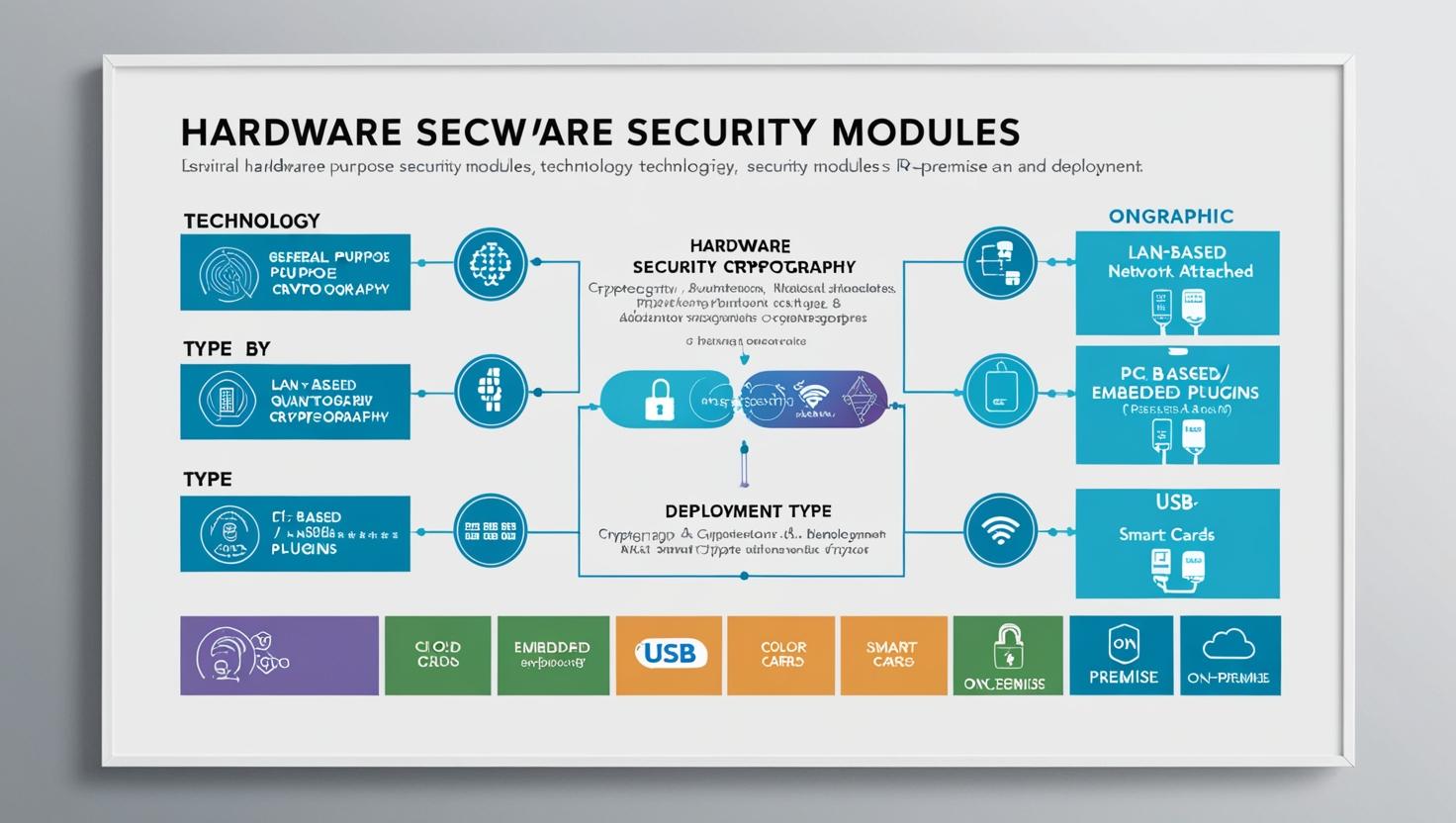
HSMs can be deployed as on-premises devices, cloud-based HSM services, or managed HSM solutions. Modern HSMs also support advanced cryptographic algorithms, multi-tenant key management, and post-quantum cryptography readiness.