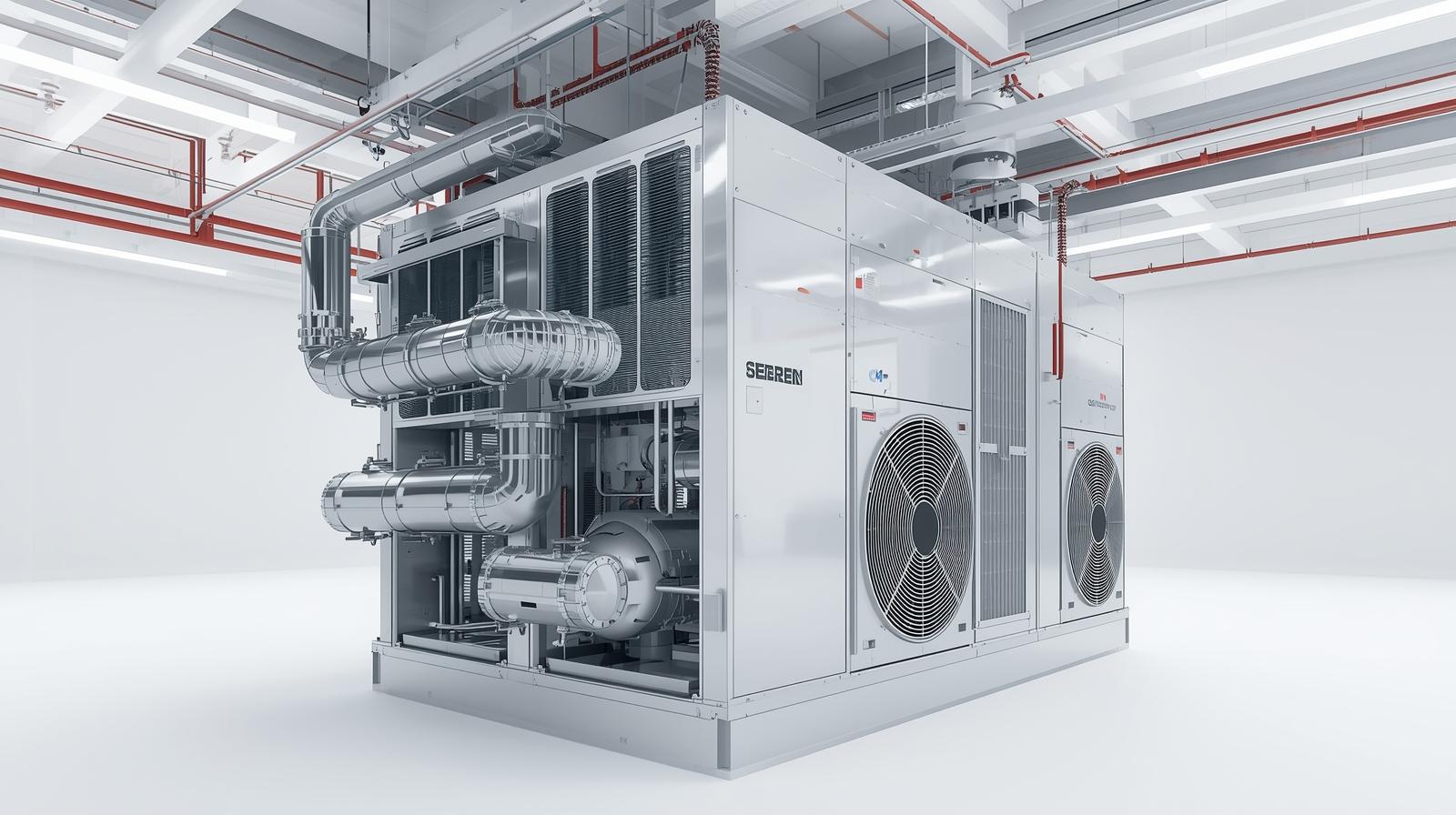
The commercial HVAC market represents a critical and dynamic segment within the global construction and facilities management industries. It encompasses the design, manufacturing, installation, and maintenance of heating, ventilation, and air conditioning systems for non residential buildings. These systems are fundamental to ensuring occupant comfort, maintaining indoor air quality, and preserving the integrity of commercial operations. The market’s vitality is directly tied to economic development, urbanization rates, and evolving regulatory standards worldwide. As businesses increasingly recognize the impact of indoor environments on productivity and health, the demand for advanced commercial HVAC solutions continues to escalate.
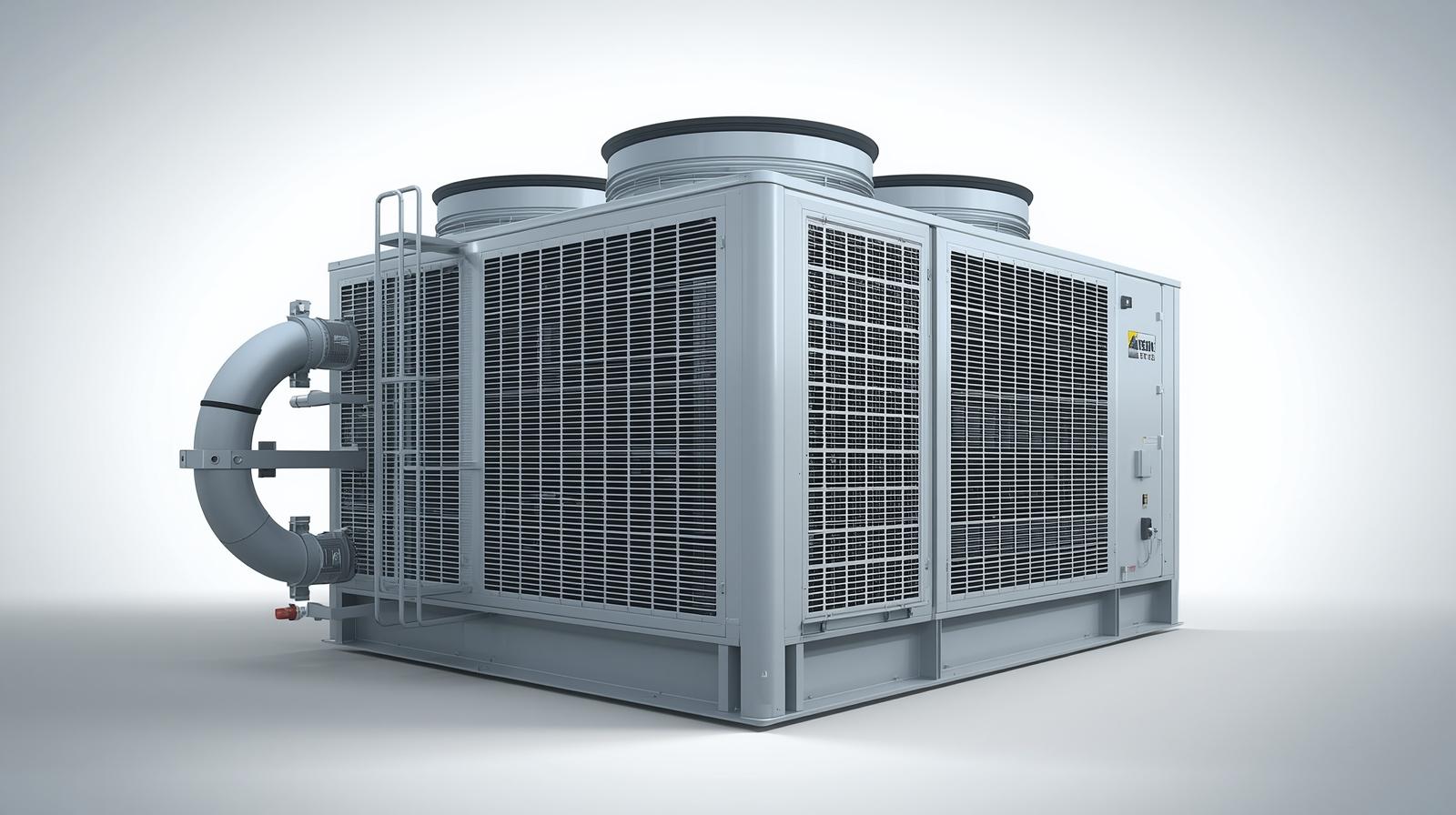
A confluence of powerful drivers is propelling the expansion of the commercial HVAC market globally. The relentless pace of new commercial construction, including office spaces, retail complexes, and hospitality venues, creates a continuous demand for new system installations. Simultaneously, the vast stock of aging buildings in developed regions presents a significant opportunity for retrofit and replacement projects. Energy efficiency remains a paramount concern, driven by rising energy costs and corporate sustainability goals. Government mandates and building codes are becoming increasingly stringent, forcing building owners to upgrade to more efficient equipment. Furthermore, the growing awareness of indoor air quality, especially post pandemic, has shifted from a luxury to a necessity, influencing purchasing decisions.
The technological evolution within the commercial HVAC market is arguably its most transformative aspect. Modern systems are undergoing a digital revolution, integrating Internet of Things sensors, cloud connectivity, and advanced data analytics. This shift enables the rise of smart HVAC systems that can predict maintenance needs, optimize energy use in real time, and be controlled remotely. Variable Refrigerant Flow systems are gaining immense popularity for their zoning capabilities and superior efficiency. Additionally, the integration of renewable energy sources, such as solar powered HVAC and geothermal heat pumps, is moving from niche to mainstream. These innovations are not merely adding features but are fundamentally changing how building environments are managed and controlled for optimal performance.
The HVAC system market is projected to reach USD 407.77 billion by 2030 from USD 299.28 billion in 2025, at a CAGR of 6.4% from 2025 to 2030.
Download PDF Brochure @ https://www.marketsandmarkets.com/pdfdownloadNew.asp?id=202111288
Several key trends are currently shaping the strategic direction of the commercial HVAC market. The green building movement, supported by certifications like LEED and BREEAM, has made sustainable HVAC solutions a standard requirement rather than an optional upgrade. There is a pronounced shift toward holistic building management, where HVAC systems are integrated with other building controls for unified operation. The growth of data centers represents a specialized and high growth segment with unique, precise cooling demands. Moreover, the market is seeing increased adoption of packaged units for their cost effectiveness and easier installation in certain building types. The service segment, including maintenance contracts and remote monitoring, is expanding rapidly as it provides recurring revenue and ensures system longevity.