
The global Nickel Metal Hydride (NiMH) battery market is witnessing robust growth driven by the increasing demand for eco-friendly and reliable rechargeable battery technologies. NiMH batteries have emerged as a popular choice in consumer electronics, automotive applications, and industrial equipment due to their high energy density, long cycle life, and reduced environmental risks compared to conventional battery technologies such as lead-acid and nickel-cadmium (NiCd). As industries worldwide prioritize sustainable energy storage solutions, the adoption of NiMH batteries continues to rise at a remarkable pace.
Download PDF Brochure @ https://www.marketsandmarkets.com/pdfdownloadNew.asp?id=128735977
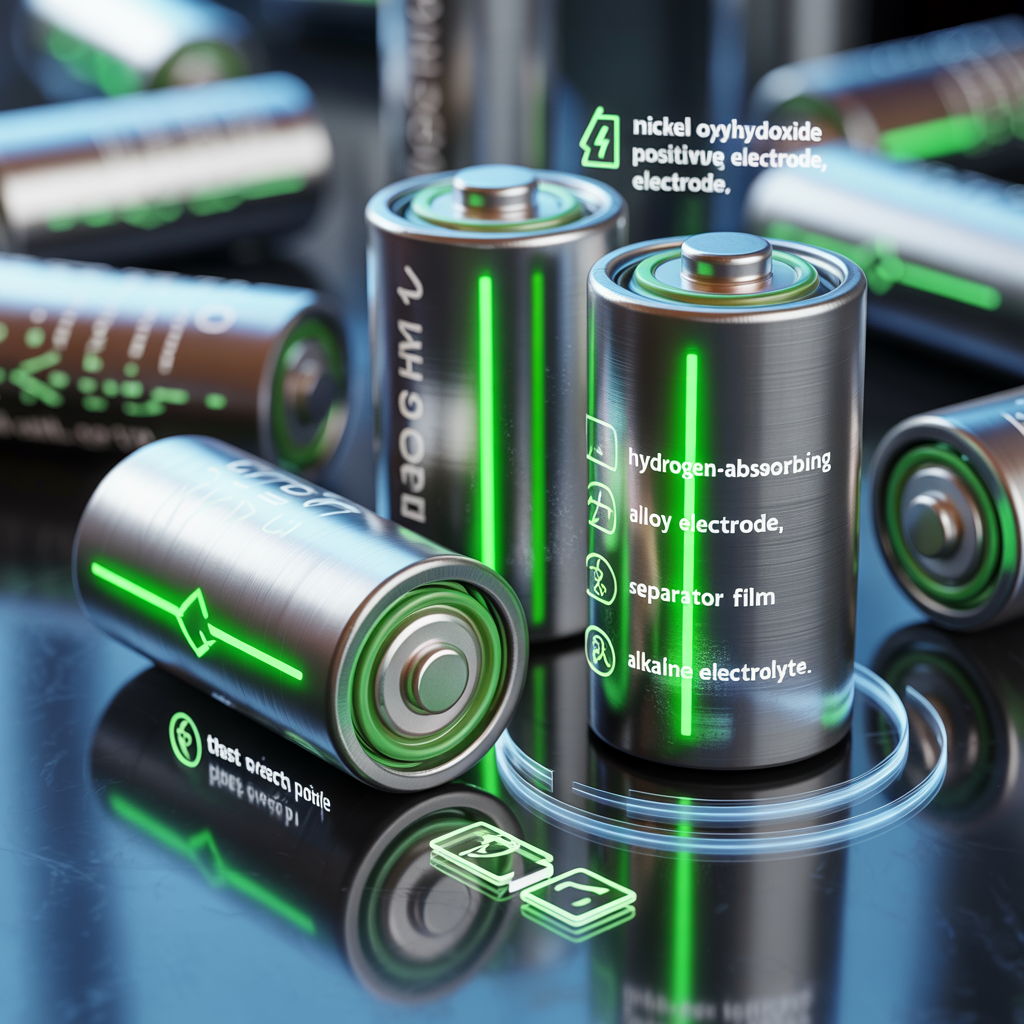
One of the key factors propelling market growth is the rapid shift toward clean energy and low-emission transportation. Hybrid electric vehicles (HEVs) particularly rely on NiMH batteries due to their stability, superior safety characteristics, and resilience under high temperatures. These advantages make NiMH batteries well-suited for automotive systems requiring consistent performance, especially in demanding environmental conditions. With governments offering incentives to accelerate vehicle electrification and automakers expanding their hybrid fleets, the demand for NiMH batteries is expected to remain strong over the coming years.
Consumer electronics remain another major application segment where NiMH batteries have built a strong presence. Devices such as digital cameras, cordless phones, power tools, and remote-control gadgets benefit from the rechargeable nature and reliability of NiMH chemistry. As consumer lifestyles become increasingly technology-centric, the need for longer-lasting and efficient portable power is increasing, positioning NiMH batteries as a cost-effective solution. Their ability to provide higher capacity compared to NiCd and reduced self-discharge with advanced variants enhances their relevance in modern electronics.
Environmental concerns and stringent regulations on hazardous substances have also fueled the shift toward NiMH batteries. NiMH does not contain toxic cadmium, which makes it more environmentally acceptable and easier to recycle. Regions across Europe and North America are adopting policies that restrict the use of toxic materials in batteries, encouraging industries to replace traditional chemistries with greener alternatives. The growing awareness about safe battery disposal and recycling is expected to further elevate the importance of NiMH batteries in the global market.
Technological advancements in NiMH battery design have made them more competitive in performance and efficiency. Improvements in energy density, charge retention capabilities, and durability are enhancing their adoption across both consumer and industrial sectors. Ongoing research and development initiatives aim to increase the power output while minimizing memory effect and charging time, making NiMH batteries a preferred solution in applications requiring frequent recharging cycles.
Despite strong growth prospects, the NiMH battery market faces notable challenges from the rapidly expanding lithium-ion battery segment. Lithium-ion batteries dominate many areas including smartphones, laptops, and fully electric vehicles due to their superior energy density and lightweight characteristics. However, the higher cost and safety concerns associated with lithium-ion technology provide NiMH batteries with a competitive edge in applications where reliability, stability, and affordability are crucial.
Asia Pacific holds the largest share of the global NiMH battery market due to extensive production capabilities, high demand from consumer electronics, and the presence of leading battery manufacturers. Countries such as China, Japan, and South Korea are major contributors to market growth, especially in automotive and industrial sectors. North America and Europe are also demonstrating healthy demand growth, driven by clean energy initiatives and hybrid vehicle deployment. Emerging economies like India and Brazil are becoming new hotspots for NiMH adoption as infrastructure modernization and consumer electronics penetration continue to rise.
Looking ahead, the market is poised for significant expansion supported by ongoing sustainability initiatives, improvements in charging efficiency, and increasing commercialization of hybrid vehicles. Strategic partnerships between battery manufacturers and automotive companies will play a crucial role in strengthening NiMH battery usage in transportation. Additionally, advancements in smart grid technologies, renewable energy storage, and robotics are opening new pathways for market penetration.