
The Semiconductor Cleanroom Market is experiencing robust growth, fueled by escalating global demand for advanced chips, expansion of fabrication capacity, and adoption of next-generation manufacturing technologies. As semiconductor manufacturers transition to smaller nodes, including 5 nm, 3 nm, and sub-3 nm processes, maintaining contaminant-free environments has become critical for yield optimization, operational efficiency, and product reliability. The market encompasses a wide array of technologies and services, including HEPA and ULPA filtration, chemical-resistant materials, automated wafer and reticle handling systems, environmental monitoring solutions, and modular cleanroom construction. This diverse landscape has attracted multiple global and regional players, resulting in a highly competitive environment where innovation, strategic partnerships, and technological differentiation are key drivers of growth.
Download PDF Brochure @ https://www.marketsandmarkets.com/pdfdownloadNew.asp?id=190223958
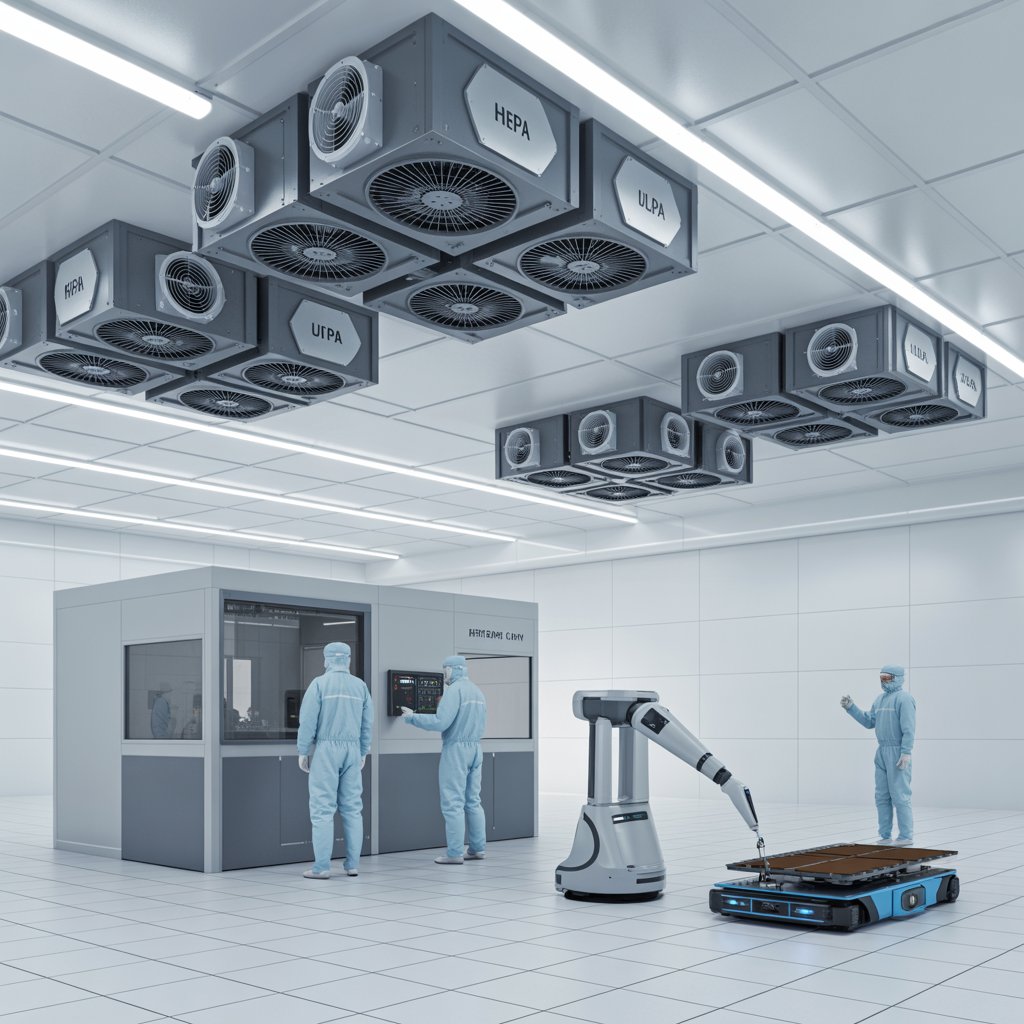
Major players in the semiconductor cleanroom market include Azbil Corporation, Taikisha Ltd., DuPont, Kimberly-Clark Professional, Cleanroom Depot, and ISO Cleanrooms, alongside integrated fab operators such as TSMC, Samsung Electronics, Intel, and GlobalFoundries, who often collaborate with cleanroom technology providers. These companies leverage advanced filtration systems, airflow management, chemical-resistant materials, and automation solutions to enhance fab efficiency and yield performance. Market leaders differentiate themselves through proprietary technologies, high-performance materials, energy-efficient HVAC systems, and comprehensive lifecycle services, including installation, validation, and maintenance of cleanroom infrastructure. By offering end-to-end solutions, these providers are able to secure long-term contracts with leading semiconductor manufacturers, ensuring recurring revenue streams while reinforcing technological leadership.
Strategic growth in the semiconductor cleanroom market is strongly influenced by global fab expansion and localization trends. Governments and private investors in the United States, Europe, South Korea, Japan, and China are channeling significant capital toward new fabrication facilities and upgrades of existing fabs. These investments are driven by the need to reduce dependency on foreign semiconductor supply chains and meet rising demand for AI chips, high-performance computing, memory solutions, and automotive semiconductors. The resulting cleanroom construction boom is creating strong demand for modular and scalable solutions, capable of rapid deployment while maintaining ultra-low particulate levels. Strategic alliances between cleanroom technology providers and fab operators are increasingly common, enabling accelerated deployment of turnkey cleanroom systems that meet stringent ISO-class standards.
Inquiry Before Buying @ https://www.marketsandmarkets.com/enquiry_Before_BuyingNew.asp?id=190223958
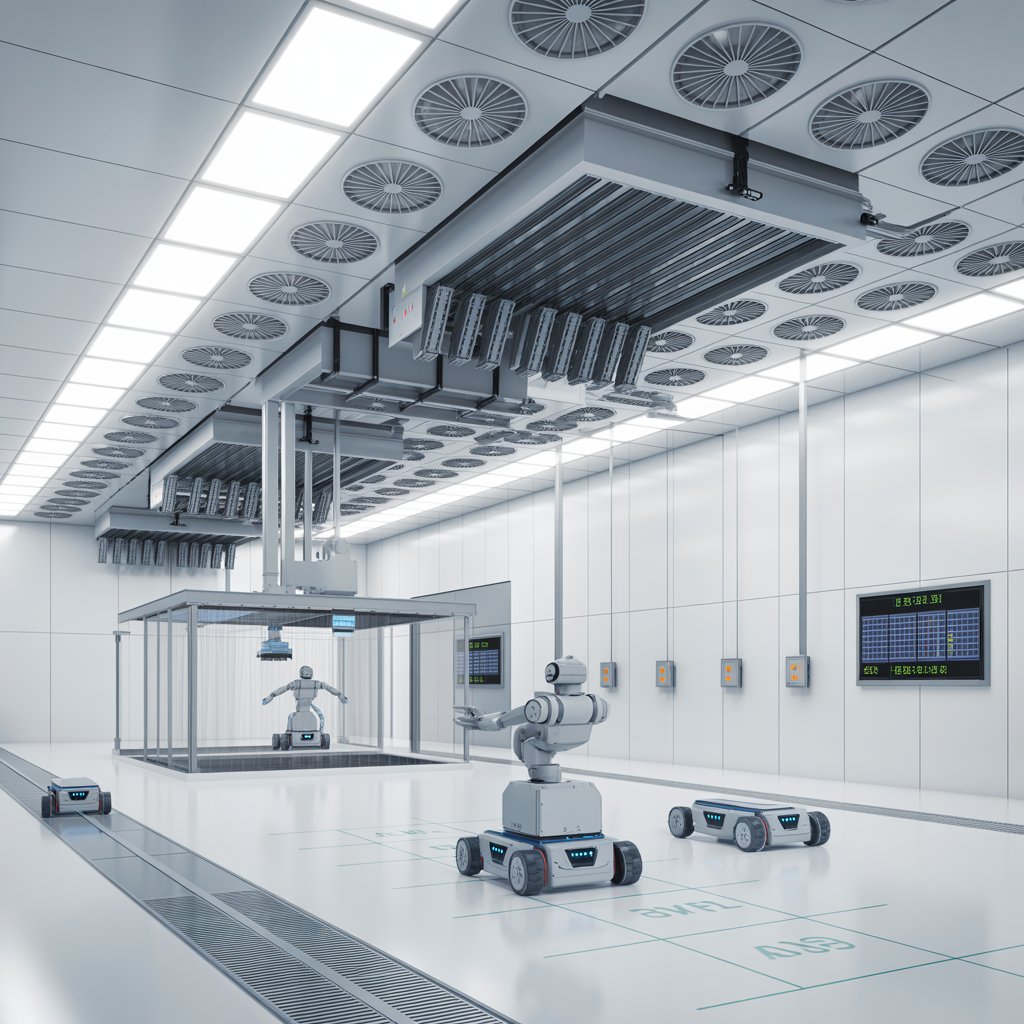
Innovation and technological differentiation are central to competitive positioning. Companies are investing in advanced HEPA and ULPA filtration systems, chemical-resistant coatings, automated wafer and reticle handling solutions, and real-time monitoring platforms integrated with IoT and AI capabilities. Smart cleanrooms equipped with predictive analytics and digital twins allow manufacturers to monitor environmental parameters, optimize airflow, detect anomalies, and implement corrective measures proactively. This integration of automation, real-time monitoring, and predictive maintenance significantly reduces yield loss and operational downtime, providing a compelling value proposition to fab operators. Suppliers who can offer comprehensive, technologically advanced, and scalable solutions are poised to capture significant market share.
Mergers, acquisitions, and partnerships are shaping the strategic landscape of the cleanroom market. Technology providers are consolidating capabilities to expand geographic reach, enhance product portfolios, and gain access to new markets. For instance, collaborations between cleanroom filtration specialists and automation companies enable the creation of integrated systems that optimize both environmental control and material handling processes. Additionally, partnerships with semiconductor fabs often include long-term service agreements, ensuring continuous revenue and reinforcing customer relationships. Strategic collaborations with research institutions and innovation hubs further support the development of next-generation cleanroom technologies, such as nanostructured filtration media, self-cleaning surfaces, and AI-driven contamination prediction tools.
The competitive landscape is also influenced by regional market dynamics. Asia-Pacific dominates in terms of fab capacity and cleanroom deployment, led by Taiwan, South Korea, Japan, and China. The United States and Europe are witnessing renewed investments in domestic semiconductor production, which has increased demand for localized cleanroom infrastructure. Regional players focus on tailored solutions to meet local standards, reduce installation lead times, and comply with regulatory requirements. Global companies, meanwhile, continue to leverage technological expertise and economies of scale to penetrate high-growth markets and secure strategic contracts with leading semiconductor manufacturers.
View detailed Table of Content here – https://www.marketsandmarkets.com/Market-Reports/semiconductor-cleanroom-market-190223958.html
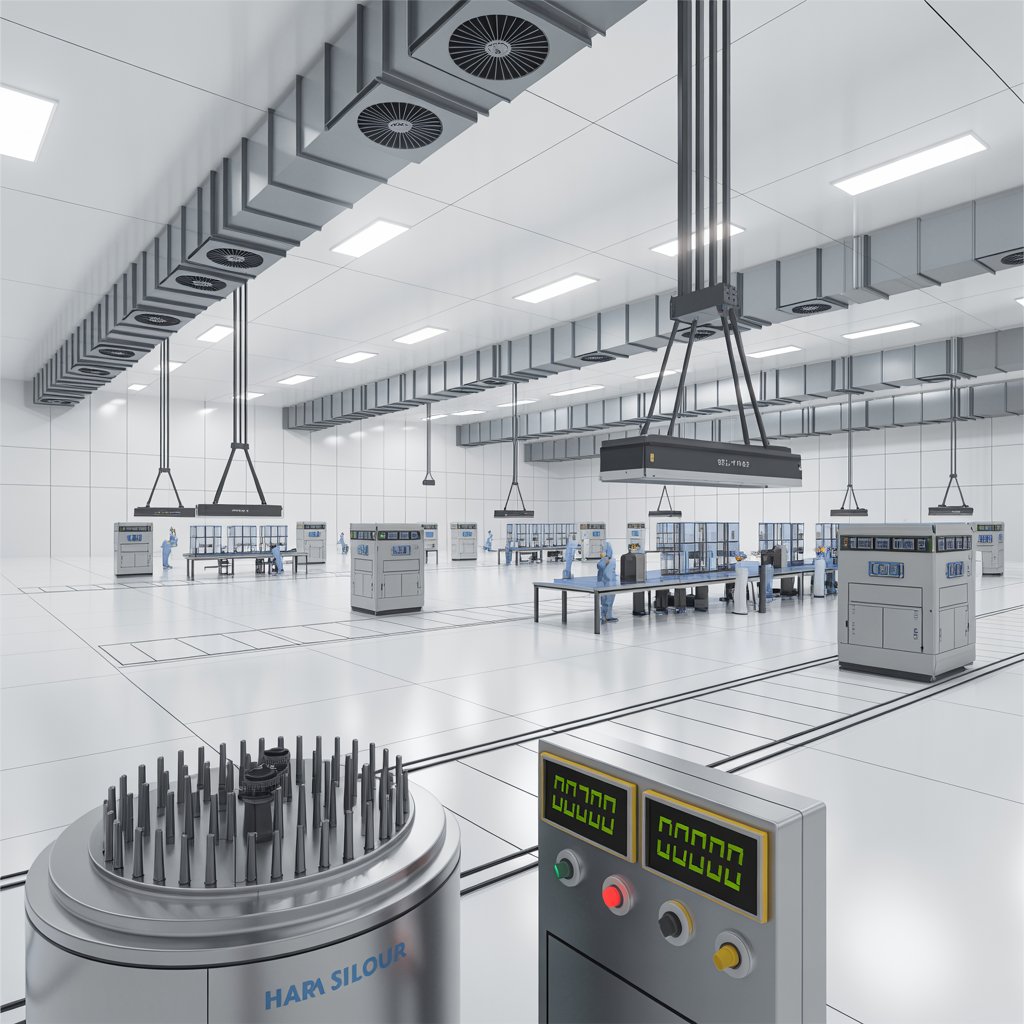
Looking ahead, the semiconductor cleanroom market is expected to continue its growth trajectory, supported by ongoing investments in advanced fabs, the rollout of AI and 5G technologies, and the increasing complexity of semiconductor devices. Companies that prioritize technological innovation, sustainability, modularity, and smart cleanroom integration will likely maintain a competitive edge. Emerging trends such as chemical-resistant coatings, autonomous wafer handling, IoT-enabled monitoring, and energy-efficient cleanroom systems will define the next wave of growth and reshape competitive dynamics.
In conclusion, the semiconductor cleanroom market is characterized by high competition, rapid technological evolution, and significant capital investments. Leading players differentiate through innovation, strategic partnerships, and comprehensive solution offerings that address the stringent cleanliness, operational, and automation requirements of modern fabs. With continued expansion of global semiconductor manufacturing and increasing demand for advanced chips, cleanroom technology providers are well-positioned to drive sustainable growth, secure long-term contracts, and shape the future of semiconductor production environments.