
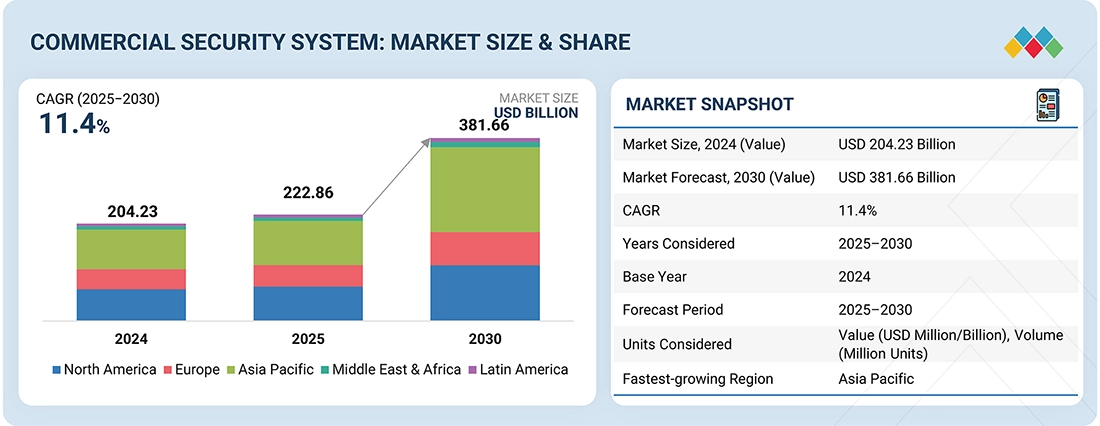
The Commercial Security System Market is undergoing a transformative phase, driven by the integration of smart sensors and automation technologies. Traditional security systems, which relied on manual monitoring and basic alarms, are being replaced by intelligent, interconnected platforms capable of real-time threat detection, automated response, and predictive analytics. Smart sensors, ranging from motion detectors and biometric scanners to environmental sensors and IoT-enabled devices, are becoming critical components of modern commercial security infrastructure. These technologies not only enhance safety and operational efficiency but also play a central role in reducing human dependency and optimizing resource allocation, thereby fueling market growth.
Download PDF Brochure @ https://www.marketsandmarkets.com/pdfdownloadNew.asp?id=234307144
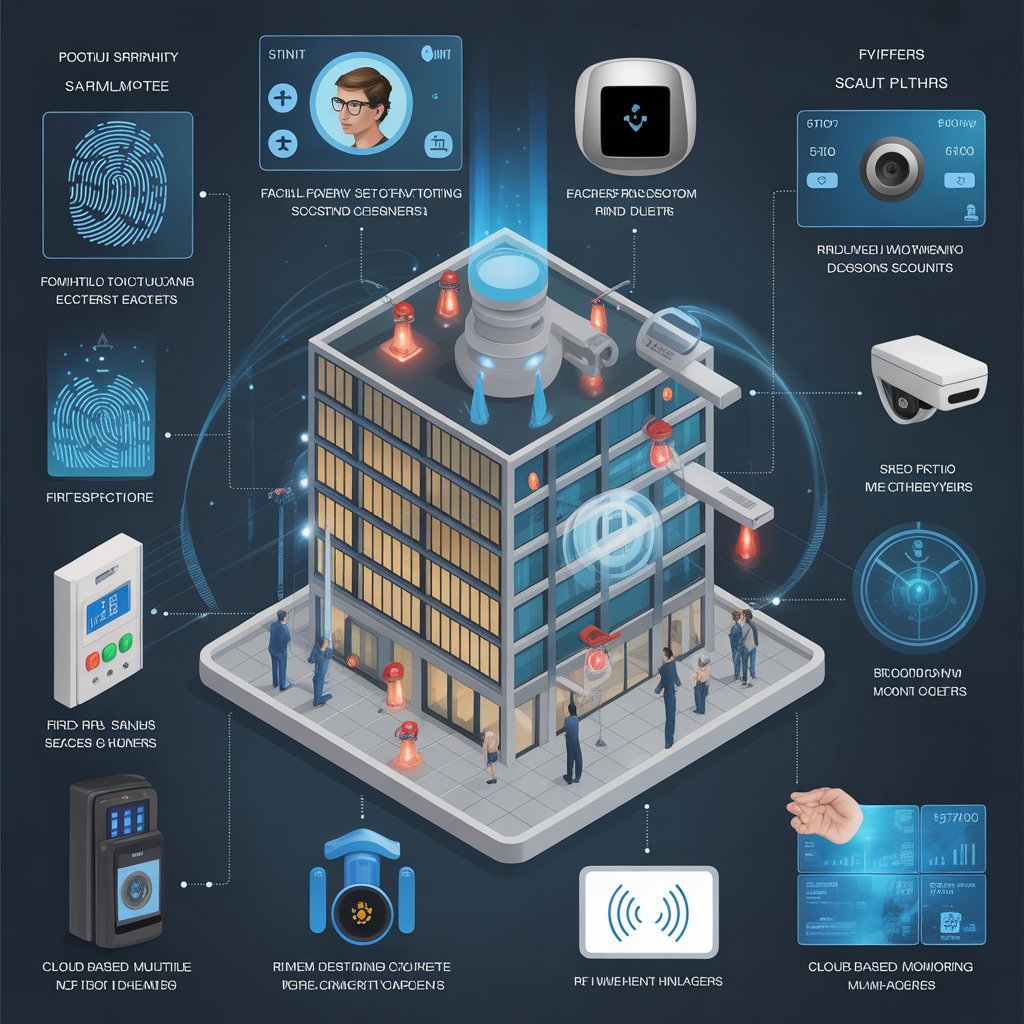
Smart sensors form the foundation of next-generation commercial security systems. Motion sensors, proximity detectors, and infrared sensors enable precise detection of unauthorized access or unusual movements, instantly alerting security personnel or triggering automated countermeasures. Environmental sensors, including smoke, gas, temperature, and vibration detectors, expand the scope of monitoring beyond human-centric threats to cover potential operational hazards. For instance, in industrial zones, sensors can detect overheating machinery or gas leaks, initiating automated shutdown procedures or alerting emergency teams. The real-time data captured by these sensors allows businesses to respond proactively to both security and operational risks, significantly reducing potential losses and downtime.
Automation enhances the efficiency and reliability of commercial security systems by minimizing manual intervention and ensuring rapid, consistent response to threats. Automated access control systems, integrated with smart sensors, manage employee, visitor, and vendor movement in corporate offices, industrial facilities, and commercial complexes. Biometric authentication, smart keycards, and facial recognition technologies automate entry processes while maintaining strict security protocols. Automated alert systems, triggered by sensor data, notify security personnel, law enforcement, or emergency services without delay. This level of automation is particularly valuable in high-traffic environments such as airports and shopping malls, where swift threat detection and response are critical to ensuring safety and operational continuity.
Inquiry Before Buying @ https://www.marketsandmarkets.com/enquiry_Before_BuyingNew.asp?id=234307144
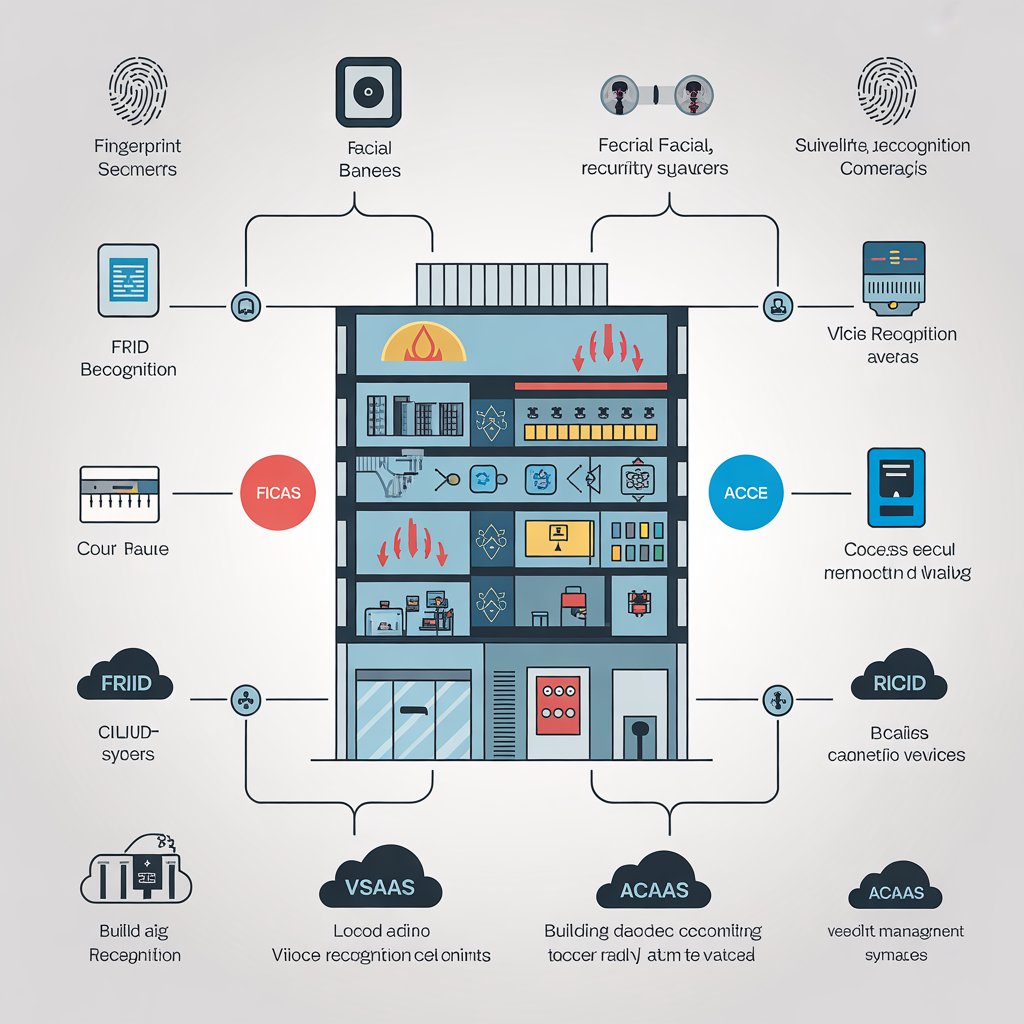
The rise of IoT-enabled smart sensors is accelerating the growth of cloud-integrated security systems. IoT devices facilitate seamless communication between security components, enabling centralized monitoring and control across multiple sites. Data collected from sensors is transmitted in real time to cloud platforms, where AI-driven analytics can detect anomalies, predict potential breaches, and optimize security operations. Cloud integration also allows remote access and management, empowering administrators to monitor facilities, adjust security settings, and respond to incidents from any location. This convergence of sensors, automation, and cloud technology is redefining security from reactive protection to predictive and intelligent management.
Artificial intelligence and machine learning amplify the effectiveness of smart sensors in commercial security systems. AI algorithms analyze sensor data to distinguish between false alarms and genuine threats, reducing unnecessary interventions and improving response accuracy. For instance, motion sensors integrated with AI can differentiate between routine employee movement and suspicious activities outside designated zones. Video analytics combined with sensor inputs enhance situational awareness, enabling automated lockdown procedures, real-time tracking of intruders, and predictive threat assessment. Over time, machine learning improves the system’s intelligence, adapting to evolving environments and emerging security challenges.
Smart sensors and automation are also contributing to operational cost efficiency and resource optimization. By reducing reliance on manual monitoring, organizations can allocate security personnel more effectively and focus on high-priority tasks. Automated maintenance alerts from sensors ensure timely upkeep of security equipment, minimizing downtime and prolonging device life. Energy-efficient sensors, integrated with smart building systems, optimize lighting, HVAC, and alarm operations, further contributing to cost savings while maintaining high security standards. This combination of efficiency, reliability, and scalability makes sensor-driven automated security an attractive investment for enterprises across industries.
View detailed Table of Content here – https://www.marketsandmarkets.com/Market-Reports/commercial-security-system-market-234307144.html
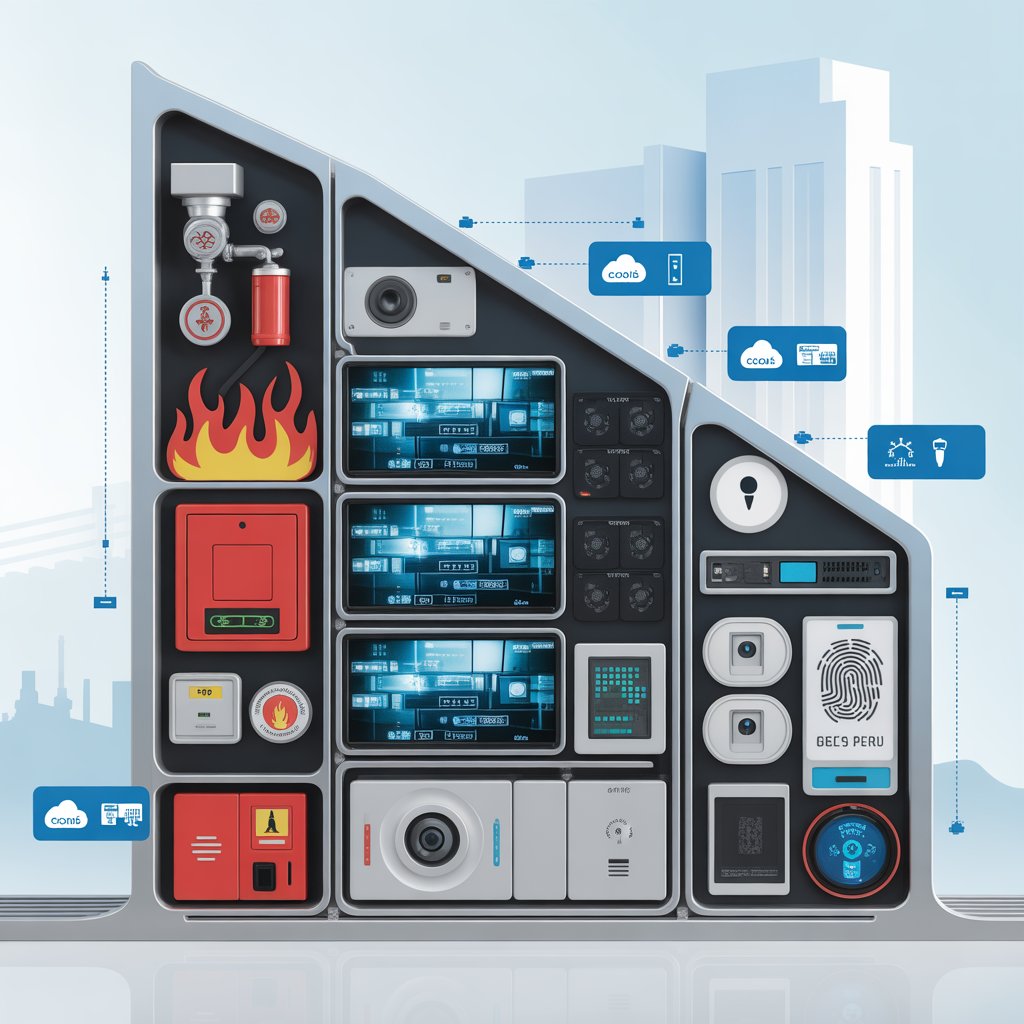
Despite the advantages, challenges such as data privacy, cybersecurity threats, and integration with legacy systems remain key considerations. Smart sensors generate large volumes of sensitive data, which must be protected through encryption, access controls, and secure cloud storage. Integrating automation with existing infrastructure can be complex, requiring careful planning, interoperability standards, and skilled personnel. Nevertheless, advances in edge computing, AI-driven analytics, and modular sensor design are addressing these challenges, enabling smoother deployment and faster adoption of smart security solutions.
Looking ahead, the commercial security system market is expected to increasingly rely on advanced sensors and automation to meet evolving security demands. Innovations in multi-modal sensors, predictive AI analytics, and autonomous response mechanisms will enable more intelligent, self-regulating security environments. High-risk sectors such as airports, industrial complexes, and large commercial spaces will continue to lead adoption, while smart offices, shopping centers, and data facilities will increasingly integrate sensor-driven automation to enhance safety, operational efficiency, and compliance.
In conclusion, smart sensors and automation are pivotal in driving growth and innovation in the commercial security system market. By enabling real-time monitoring, predictive threat detection, and automated response, these technologies are transforming security from a reactive function into an intelligent, proactive system. As IoT, AI, and cloud integration continue to advance, the deployment of sensor-based automated security solutions will expand across commercial environments, reinforcing safety, operational efficiency, and resilience in an increasingly complex threat landscape.