
The global eVTOL aircraft market is entering an extraordinary phase of growth, driven by the rapid evolution of sustainable aviation technologies and the rising global demand for efficient, clean and congestion-free transportation. According to recent market analysis, the industry is valued at USD 0.76 billion in 2024 and is projected to reach USD 4.67 billion by 2030 at an impressive CAGR of 35.3%. This momentum continues through the next decade, with the market expected to climb to USD 17.34 billion by 2035, growing at 27.6% from 2031 to 2035. Such growth reflects the strong investment appetite, technological innovation and strategic partnerships shaping the emerging electric aviation landscape.
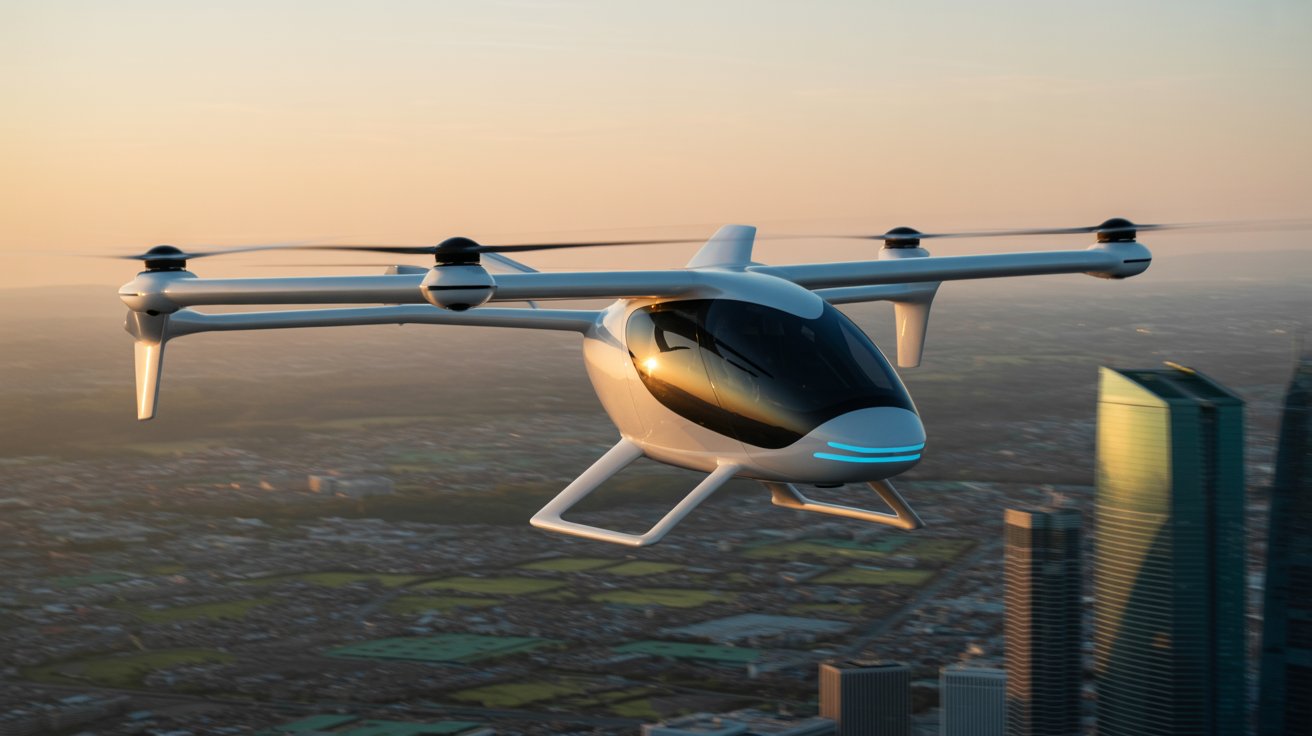
The eVTOL industry is transforming mobility as we know it. By combining electric propulsion, lightweight materials, hybrid energy systems and advanced autonomous capabilities, eVTOL aircraft introduce a new category of zero-emission aerial transport. These vehicles are designed to address some of the most pressing mobility challenges in major cities including high congestion, long travel times and rising environmental concerns. eVTOLs offer a promising way to unlock fast, clean and cost-effective point-to-point transport for both passengers and cargo. They support a wide array of applications including urban air taxis, air metro services, regional shuttles, cargo movement, last-mile logistics, emergency evacuation and disaster response in areas where ground infrastructure is limited or inefficient.
Download PDF Brochure @ https://www.marketsandmarkets.com/pdfdownloadNew.asp?id=28054110
Multiple factors are fueling the rapid expansion of this market. Continuous advancements in battery chemistry, electric propulsion technologies, hybrid powertrains and energy-efficient aerostructures are making eVTOLs safer, quieter and more economical. Additionally, global aviation regulators including the FAA and EASA are actively developing certification frameworks for eVTOL designs, vertiport infrastructure and urban air traffic management systems. These regulatory advancements are enabling aircraft manufacturers and operators to move closer to commercial deployment within major metropolitan regions. Companies like Joby Aviation, Lilium, Archer Aviation, Volocopter, EHang, Wisk Aero and Eve Holdings are now at the forefront, securing early service approvals, building partnerships with city authorities and advancing pilot training programs.
At the system level, the aerostructure segment holds the largest share of the market throughout the forecast period. Aerostructures form the backbone of eVTOL aircraft, housing critical components including propulsion systems, battery packs and payload bays. As manufacturers shift toward lightweight composite materials and advanced alloys, aerostructures are becoming stronger, lighter and more aerodynamically refined. The adoption of configurations such as vectored thrust and lift plus cruise further increases the need for precise structural design, improved load distribution and enhanced safety performance. Reduced aircraft weight directly contributes to increased range, greater payload capacity and better battery utilization, making aerostructures one of the most influential elements in next-generation eVTOL design.
Within applications, the air taxi segment is predicted to dominate the market, reflecting the growing global interest in urban air mobility. Air taxis promise to revolutionize short distance travel by connecting airports, business districts and suburban hubs within minutes rather than hours. This segment benefits from technological progress in electric propulsion, low noise signatures and autonomous navigation systems. Cities currently exploring commercial air taxi services include Paris, Los Angeles, Singapore, Dubai and Seoul. These aircraft have the potential to transform business travel, tourism, daily commuting and passenger connectivity in high density regions.
Range capability is another crucial factor influencing adoption. The up to 200 kilometer segment is projected to hold the largest share, aligning perfectly with the early urban and suburban missions of eVTOL operations. Aircraft in this category are optimized for short flight cycles, rapid turnaround times and high frequency usage. They require fewer charging stations and smaller vertiport footprints, making them more viable for near term deployment. Their shorter operational radius also makes certification and airspace integration more achievable, helping this segment maintain its leadership position throughout the forecast horizon.
Regionally, Latin America is expected to grow at the highest rate from 2024 to 2035. Countries such as Brazil, Mexico, Colombia and Chile face significant mobility challenges including rapidly expanding urban populations, extended travel times and limited ground infrastructure in remote areas. eVTOL aircraft offer a practical and scalable solution for improving passenger mobility, connecting underserved regions and enhancing emergency medical and disaster response operations. The geographical diversity of Latin America, combined with its rising interest in sustainable transportation, positions it as a major growth hotspot within the global market.
The competitive landscape is shaped by several globally recognized players such as Archer Aviation, Eve Holdings, EHang, Joby Aviation, Textron, Airbus, Vertical Aerospace, Wisk Aero, Beta Technologies, Lilium, Volocopter, XTI Aerospace, Lift Aircraft, Autoflight and Volant Aerotech. These companies are pursuing strategies that include partnerships with airlines and airports, technology development programs, supply chain expansion and early service demonstration flights to establish leadership in this fast growing sector.
Ask for Sample Report @ https://www.marketsandmarkets.com/requestsampleNew.asp?id=28054110
Supported by strong technological innovation, increasing regulatory readiness and rising demand for clean mobility, the eVTOL aircraft market is poised to redefine transportation across urban and regional environments. Organizations that embrace this shift now will be at the center of one of the most important revolutions in modern aviation.