
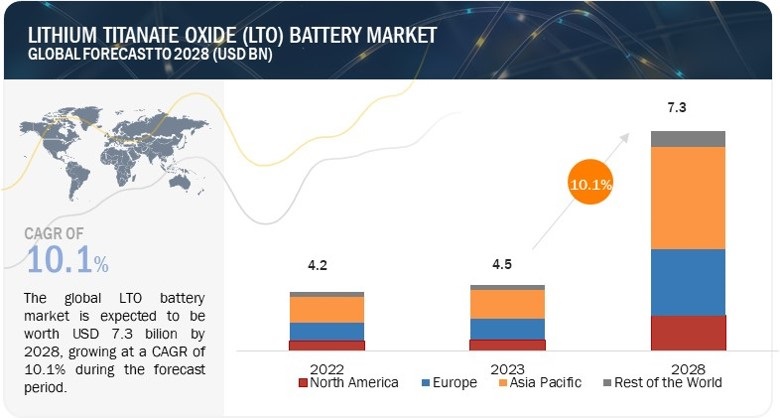
The global energy storage landscape is entering a period of rapid transformation, fueled by the growing demand for electrification, renewable integration, and high-performance battery technologies. Among the various lithium-ion chemistries available today, Lithium Titanate Oxide (LTO) batteries are emerging as a leading choice for applications that demand safety, longevity, and ultra-fast charging capabilities. As the world shifts toward sustainable power systems, the global LTO Battery Market is poised for significant growth through 2028, driven by advancements in electric mobility, grid storage, and industrial power solutions. However, the market also faces challenges related to cost and energy density, making innovation and strategic investment critical to future success.
Download PDF Brochure @ https://www.marketsandmarkets.com/pdfdownloadNew.asp?id=161263677
 Market Overview and Growth Drivers
The global LTO battery market is experiencing robust growth as industries increasingly seek durable and efficient energy storage solutions. LTO batteries stand out for their ability to charge and discharge at exceptionally high rates while maintaining a long operational lifespan—often exceeding 15,000 to 20,000 cycles. These features make them ideal for high-power applications such as electric buses, hybrid electric vehicles, renewable energy storage systems, and uninterruptible power supplies (UPS).
The market expansion is largely driven by two key factors: the acceleration of electric vehicle (EV) adoption and the growing need for grid-scale energy storage. Governments around the world are implementing stringent emission reduction policies and offering subsidies for electric mobility, which is stimulating demand for reliable, long-life batteries. Simultaneously, the global push for renewable integration is increasing the requirement for energy storage systems that can balance the intermittency of solar and wind power. LTO batteries, with their fast charge-discharge cycles and superior thermal stability, are well-suited for both applications.
Key Trends Shaping the LTO Battery Market
Between now and 2028, several major trends are expected to define the trajectory of the LTO battery market. One prominent trend is the increasing deployment of electric public transportation systems. Cities across Asia, Europe, and North America are electrifying their bus and tram fleets, and LTO batteries are becoming the preferred option due to their ability to recharge within minutes and operate efficiently in extreme weather conditions.
Another trend driving market growth is the expansion of microgrid and distributed energy storage systems. As nations invest in energy resilience and decentralized power generation, LTO-based storage systems are being adopted for frequency regulation, peak shaving, and backup power. Their high cycle life and safety advantages make them a dependable solution for critical infrastructure such as hospitals, data centers, and industrial facilities.
Additionally, rapid technological innovation is improving LTO battery performance. Ongoing research in material science is focused on enhancing the energy density and reducing manufacturing costs. Hybrid chemistries that combine LTO anodes with high-energy cathode materials are under development, enabling a balance between power, energy capacity, and efficiency. This progress is expected to unlock new commercial opportunities across emerging markets and specialized sectors.
Inquiry Before Buying @ https://www.marketsandmarkets.com/Enquiry_Before_BuyingNew.asp?id=161263677
Challenges in the LTO Battery Market
Despite its many advantages, the LTO battery market faces notable challenges that could impact its growth trajectory through 2028. The primary limitation is lower energy density compared to other lithium-ion chemistries such as lithium iron phosphate (LFP) and nickel manganese cobalt (NMC). This restricts LTO’s use in applications where compact and lightweight batteries are essential, such as passenger electric vehicles and portable devices.
Cost remains another significant hurdle. The production of lithium titanate materials and the specialized processes required for LTO manufacturing make these batteries more expensive than conventional alternatives. While the long lifespan and safety of LTO batteries often offset the higher initial investment over time, market competitiveness depends heavily on continued cost optimization and economies of scale.
Furthermore, global supply chain disruptions and raw material sourcing challenges could influence market dynamics in the near term. Manufacturers must balance the growing demand for LTO batteries with the need for sustainable and ethical sourcing of lithium and titanium materials.
Regional Outlook and Emerging Markets
The Asia-Pacific region currently dominates the global LTO battery market, driven by the strong presence of leading manufacturers in China, Japan, and South Korea. China, in particular, is investing heavily in electric bus infrastructure and large-scale energy storage systems, creating substantial demand for LTO batteries. Japan has also pioneered the use of LTO technology in hybrid vehicles and stationary storage solutions.
In North America and Europe, increasing renewable energy adoption and grid modernization efforts are propelling the deployment of LTO-based systems for grid balancing and backup power. Meanwhile, developing regions in the Middle East, Africa, and Latin America are exploring LTO batteries for off-grid and microgrid applications, offering growth potential as these markets move toward cleaner and more reliable energy systems.
View detailed Table of Content here – https://www.marketsandmarkets.com/Market-Reports/lithium-titanate-oxide-lot-battery-market-161263677.html
Opportunities and Future Outlook
Looking ahead to 2028, the LTO battery market presents vast opportunities across multiple sectors. The electrification of public transport, expansion of renewable energy infrastructure, and growth of industrial automation will continue to drive adoption. As research initiatives improve energy density and reduce production costs, LTO batteries are likely to become more accessible for mainstream applications, including commercial EVs and hybrid systems.
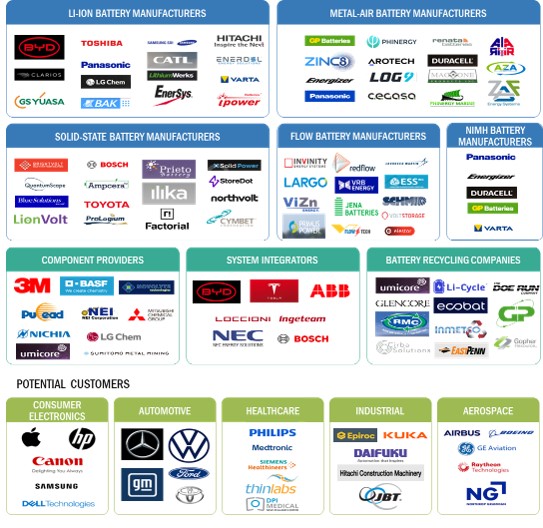
Collaborations between technology developers, automotive OEMs, and energy companies will play a critical role in accelerating innovation and market penetration. Policy frameworks promoting green energy storage and recycling will further strengthen the ecosystem.